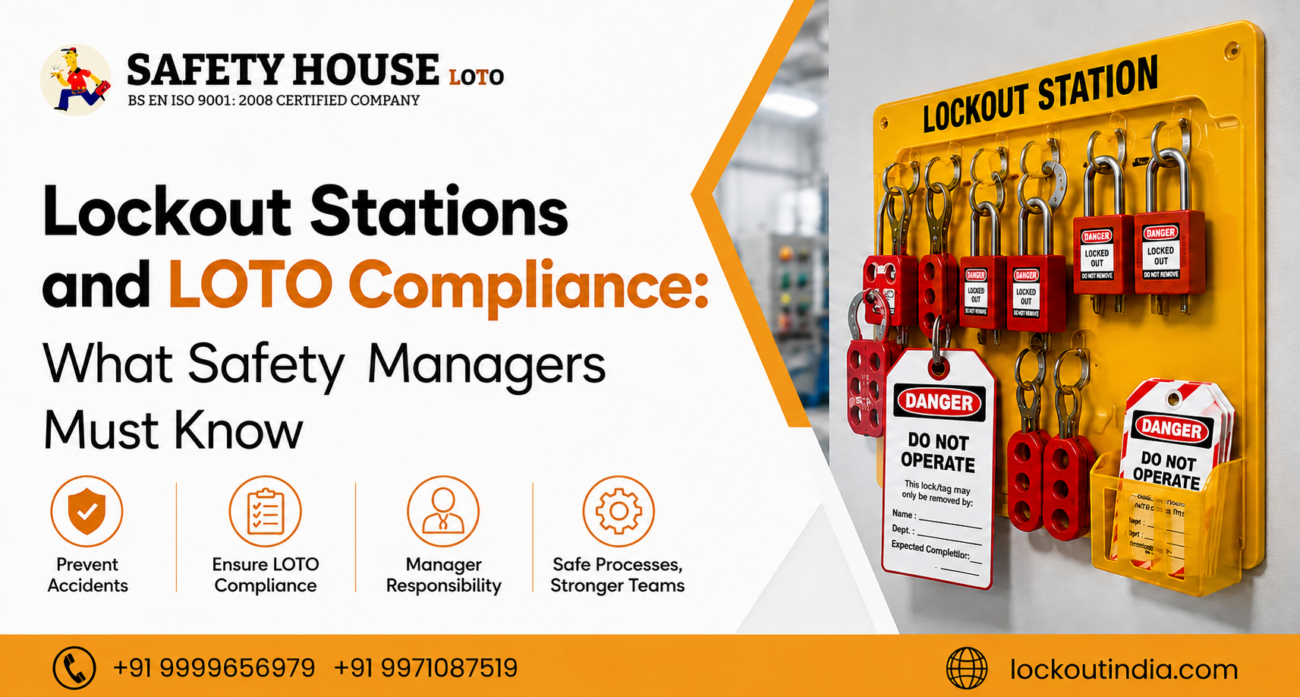
Best Lockout Stations for Manufacturing, Warehouses & Industrial Plants
Posted On: April 22, 2026
Categorized In: Lockout Station
Written By: Lockout India
Workplace safety is not just about following rules—it is about creating systems that prevent accidents before they happen. In industries like manufacturing, warehouses, and industrial plants, one of the most effective safety solutions is the use of Lockout Stations.
As machinery and electrical systems become more advanced, the risk of hazardous energy release also increases. This is where organized safety systems like Lockout Stations play a crucial role. They help store and manage safety devices in a structured way, making it easier for workers to follow proper lockout tagout procedures.
In this blog, we will explore the importance, types, benefits, and best options of Lockout Stations, especially for modern industrial environments.
What Are Lockout Stations?
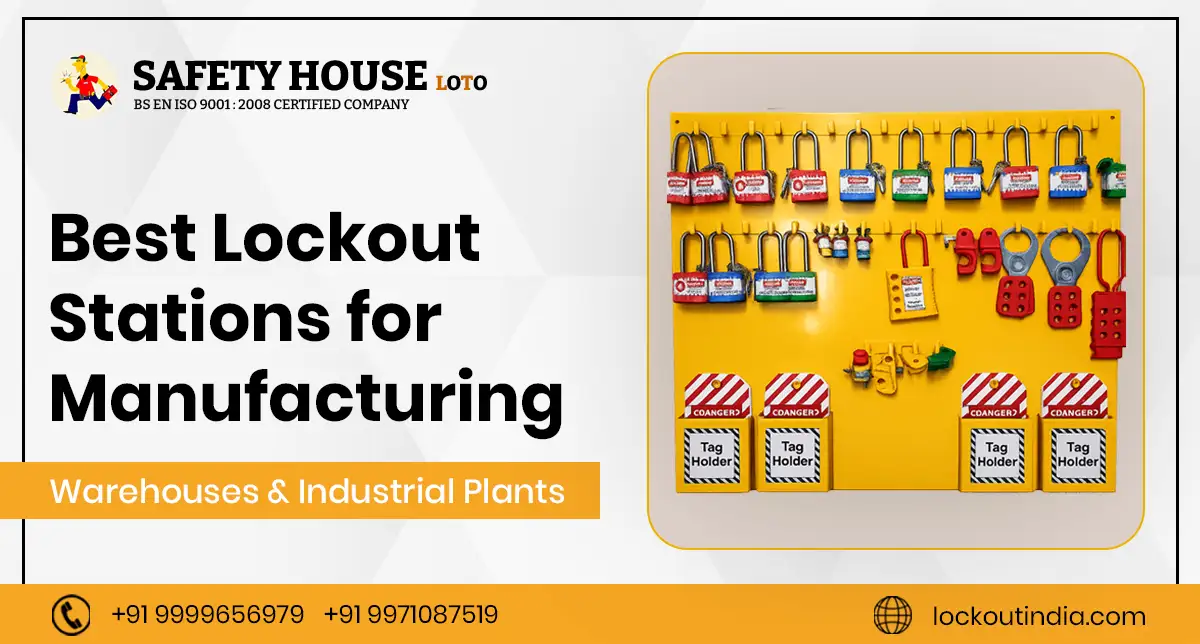
Lockout Stations are centralized storage units designed to hold lockout tagout equipment such as padlocks, tags, hasps, and other lockout & tagout devices. These stations ensure that all safety tools are easily accessible during maintenance or repair work.
Instead of searching for scattered tools, workers can quickly access everything from one place. This improves efficiency and reduces the chances of errors during critical operations.
A well-designed lockout tagout station also acts as a visual reminder for employees to follow safety procedures.
Why Lockout Stations Are Important in Industrial Safety
Industries deal with multiple energy sources—electrical, mechanical, hydraulic, and pneumatic. Without proper control, these energy sources can lead to serious accidents.
Using Lockout Stations helps in:
- Preventing accidental machine startup
- Reducing workplace injuries
- Improving safety compliance
- Ensuring proper use of lockout tagout equipment
When safety tools are organized, workers are more likely to use them correctly. This is why many lockout tagout companies recommend installing a proper lockout tagout station in every facility.
Key Features of High-Quality Lockout Stations
Not all Lockout Stations are the same. Choosing the right one depends on your workplace requirements. Here are some important features to consider:
1. Durable Construction
Industrial environments can be harsh. A good loto station should be made from strong materials that can handle daily use.
2. Clear Visibility
Bright colors and labels help workers easily identify the lockout station kit and its contents.
3. Organized Compartments
A well-structured lockout station box ensures that each tool has its place, reducing confusion.
4. Easy Accessibility
Workers should be able to quickly access lockout kit electrical tools and other safety devices.
5. Capacity
Depending on your workforce size, choose a loto station cabinet that can store all required tools.
Types of Lockout Stations for Different Industries
Different industries have different safety needs. Here are the most common types of Lockout Stations:
Wall-Mounted Lockout Stations
Ideal for factories and workshops, these stations are fixed on walls and provide easy access to lockout padlock station tools.
Portable Lockout Station Kit
These are mobile solutions that can be carried to different work areas. A lockout station kit is perfect for maintenance teams.
Electrical Lockout Stations
Designed specifically for electrical safety, these include lockout kit electrical devices for circuit breakers and switches.
LOTO Station Cabinets
A loto station cabinet is a larger storage unit used in big industrial setups where multiple workers need access to safety tools.
Lockout Station Boxes
Compact and secure, a lockout station box is useful for smaller teams or specific departments.
Best Lockout Stations for Manufacturing Units
Manufacturing units operate with heavy machinery and complex systems. Installing reliable Lockout Stations helps ensure that machines are properly shut down during maintenance.
These stations allow workers to easily access lockout & tagout devices, reducing downtime and improving workflow. A well-equipped lockout tagout station also supports compliance with safety standards.
Best Lockout Stations for Warehouses
Warehouses often deal with electrical panels, conveyors, and storage systems. Using Lockout Stations helps prevent accidents caused by unexpected equipment activation.
A lockout padlock station ensures that all locking devices are available when needed. This improves both safety and operational efficiency.
Best Lockout Stations for Industrial Plants
Industrial plants have high-risk environments where multiple energy sources are involved. Installing advanced Lockout Stations is essential for maintaining safety.
These setups often include lockout tagout stations and cabinets that can handle a large number of safety tools. Proper organization ensures that workers follow safety procedures without delays.
Role of Safety House LOTO in Providing Reliable Lockout Stations
Safety House LOTO is a trusted name among lockout tagout companies in India. The company specializes in manufacturing high-quality lockout tagout equipment designed for industrial use.
Their range of Lockout Stations is built to meet modern safety requirements. Whether you need a simple lockout station box or a complete loto station cabinet, Safety House LOTO offers reliable solutions.
Their products focus on:
- Durability
- Easy usage
- Clear visibility
- Long-term performance
By choosing Safety House LOTO, businesses can improve safety standards and create a more organized workplace.
How to Choose the Right Lockout Station
Selecting the right Lockout Stations depends on several factors:
Workplace Size
Larger facilities require bigger lockout tagout stations and cabinets.
Type of Equipment
Choose stations that support your specific lockout tagout equipment.
Number of Workers
More workers mean a larger loto station with more capacity.
Safety Requirements
Ensure the station meets industry safety standards.
Best Practices for Using Lockout Stations
To get the maximum benefit from Lockout Stations, follow these practices:
- Train employees regularly
- Keep the station organized
- Replace damaged tools immediately
- Ensure all lockout & tagout devices are available
- Conduct regular safety audits
Proper usage ensures that your lockout station kit remains effective at all times.
Future of Lockout Stations in Industrial Safety
With increasing focus on workplace safety, Lockout Stations are becoming more advanced. Modern solutions are designed to improve efficiency, visibility, and compliance.
Industries are now investing in better lockout tagout stations and cabinets to reduce risks and improve operations. This trend is expected to grow in the coming years.
Conclusion
Safety is not something that can be ignored, especially in industrial environments. Investing in high-quality Lockout Stations is one of the best decisions a company can make.
From manufacturing units to warehouses and industrial plants, these systems help organize safety tools, reduce risks, and improve efficiency.
With trusted providers like Safety House LOTO, businesses can ensure that they are using reliable lockout tagout equipment and following the best safety practices.
A well-designed lockout station is not just a tool—it is a complete safety solution.
FAQs
1. What are Lockout Stations used for?
Lockout Stations are used to store lockout tagout equipment in one place, making it easy for workers to access safety tools during maintenance.
2. Why are Lockout Stations important?
They help prevent accidents, improve safety compliance, and ensure proper use of lockout & tagout devices.
3. What is included in a lockout station kit?
A lockout station kit includes padlocks, tags, hasps, and other lockout tagout equipment.
4. What is the difference between a lockout station and a loto station cabinet?
A lockout station is usually compact, while a loto station cabinet is larger and used for bigger industrial setups.
5. How do I choose the right lockout station?
Consider factors like workplace size, number of workers, and type of equipment before selecting a lockout station.
Industrial Lockout Station Solutions for Electrical & Mechanical Safety
Posted On: April 13, 2026
Categorized In: Lockout Station
Written By: Lockout India
Workplace safety in industrial environments is no longer optional—it is a critical operational requirement. Every year, thousands of industrial accidents occur due to improper handling of hazardous energy sources. According to global safety studies, a significant percentage of workplace injuries happen during maintenance when machines are not properly isolated.
This is where a Lockout Station plays a crucial role. It acts as a centralized system that ensures all lockout tagout (LOTO) devices are available, organized, and ready for use. Whether dealing with electrical panels or mechanical equipment, implementing an Industrial Lockout Station significantly reduces the risk of accidents.
Companies today rely on trusted brands like Safety House LOTO to implement reliable and compliant Lockout Station solutions that enhance workplace safety and efficiency.
What is a Lockout Station?
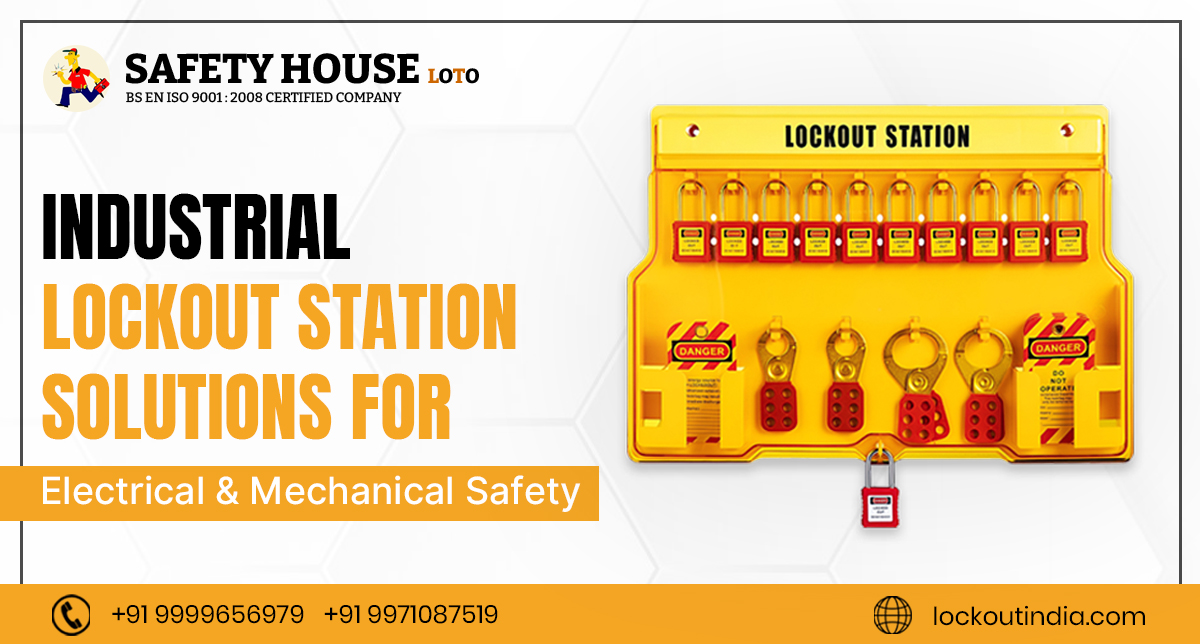
A Lockout Station is a dedicated storage unit that contains essential lockout tagout devices such as safety padlocks, hasps, tags, and lockout tools. These stations are strategically placed within industrial facilities to ensure easy access during maintenance or repair work.
An Industrial Lockout Station is specifically designed for high-risk environments such as factories, manufacturing units, and processing plants. It supports proper implementation of the Lockout Tagout system, ensuring that hazardous energy sources are completely isolated before any work begins.
Why Lockout Stations Are Essential for Industrial Safety
A well-maintained Safety Lockout Station is one of the most effective tools for preventing workplace accidents. It ensures that safety procedures are followed consistently and efficiently.
Key Benefits of Using a Lockout Station
- Prevents accidental machine startup
- Ensures compliance with OSHA safety standards
- Improves maintenance workflow
- Reduces downtime due to accidents
- Keeps lockout devices organized and accessible
Using a Lockout Station for factories ensures that workers have immediate access to safety equipment, reducing delays and improving overall operational safety.
Lockout Station for Electrical Safety
Electrical hazards are among the most dangerous risks in industrial environments. A Lockout Station for Electrical Safety ensures that all electrical energy sources are properly isolated before maintenance begins.
Features of Electrical Lockout Station Solutions
- Circuit breaker lockouts
- Electrical panel lockout devices
- Insulated safety padlocks
- Warning tags for hazard communication
An Industrial Lockout Station for electrical panels is essential for technicians working with high-voltage systems. It minimizes the risk of electric shock and ensures compliance with safety protocols.
Lockout Station for Mechanical Safety
Mechanical systems such as conveyors, presses, and rotating machines can cause serious injuries if not properly secured. A Lockout Station for Mechanical Safety helps isolate mechanical energy sources and prevent unexpected machine movement.
Common Applications
- Machine maintenance and repair
- Production line servicing
- Equipment installation
- Routine inspections
By using a Lockout Station for industrial use, organizations can protect workers from mechanical hazards and ensure safe maintenance practices.
Components of an Industrial Lockout Station
A high-quality Industrial Lockout Station includes a variety of lockout devices designed to handle different types of hazards.
Essential Components
- Safety padlocks
- Lockout hasps
- Tagout labels
- Valve lockout devices
- Electrical lockout tools
- Cable lockout systems
These components form a complete Lockout Tagout system, ensuring that all energy sources—electrical and mechanical—are effectively controlled.
How to Use a Lockout Station in Industry
Implementing a Lockout Station solution requires proper training and adherence to safety procedures.
Step-by-Step Process
- Identify all energy sources (electrical and mechanical)
- Shut down the equipment
- Isolate the energy source
- Apply lockout devices from the Lockout Station
- Attach safety tags
- Verify isolation before starting work
Following this process ensures that the Lockout Tagout system is implemented correctly, reducing the risk of accidents.
Real Industry Insight: Why Lockout Stations Matter
In many industrial cases, accidents occur not because safety tools are unavailable, but because they are not properly organized or accessible. A centralized Lockout Station eliminates this issue by ensuring that all safety devices are stored in one place.
Safety experts emphasize that using a Safety Lockout Station can reduce maintenance-related accidents significantly when combined with proper training and compliance.
Brands like Safety House LOTO focus on providing structured and easy-to-use Lockout Station solutions that align with real industrial challenges.
Choosing the Best Lockout Station for Industrial Use
Selecting the right Lockout Station is essential for effective safety implementation.
Factors to Consider
- Type of equipment (electrical or mechanical)
- Number of workers using the station
- Size and layout of the facility
- Compliance requirements
- Quality and durability of lockout devices
Organizations looking for reliable solutions often prefer Safety House LOTO for their high-quality Industrial Lockout Station systems designed for modern workplaces.
Common Mistakes to Avoid
Even with a Lockout Station, improper usage can lead to safety risks.
Avoid These Mistakes
- Ignoring lockout procedures
- Using shared padlocks
- Skipping verification steps
- Not updating safety tags
- Using low-quality lockout devices
A properly implemented Lockout Station solution ensures that these risks are minimized and safety standards are maintained.
Future of Lockout Tagout Safety
The future of industrial safety is evolving with technology. Modern Lockout Station solutions are becoming more advanced, focusing on efficiency and compliance.
Emerging Trends
- Smart lockout systems
- Digital tracking of lockout procedures
- Enhanced compliance monitoring
- Integration with safety management systems
Safety House LOTO continues to innovate by offering advanced Lockout Station systems that meet the evolving needs of industries.
FAQs
1. What is a Lockout Station used for?
A Lockout Station is used to store and organize lockout tagout devices, ensuring safe maintenance of electrical and mechanical systems.
2. What is the difference between electrical and mechanical lockout?
Electrical lockout isolates power sources, while mechanical lockout secures moving parts to prevent accidents.
3. How does a Lockout Station improve workplace safety?
A Safety Lockout Station ensures that all safety devices are accessible and used properly, reducing the risk of accidents.
4. What should be included in an Industrial Lockout Station?
It should include padlocks, hasps, tags, valve lockouts, and electrical lockout devices for complete safety coverage.
5. Why choose Safety House LOTO Lockout Stations?
Safety House LOTO offers durable and reliable Lockout Station solutions designed for industrial safety and compliance.
Final Thoughts
A well-designed Lockout Station is a critical component of industrial safety. From electrical hazard control to mechanical safety, it ensures that all energy sources are properly managed during maintenance work.
By investing in high-quality solutions like those offered by Safety House LOTO, industries can create a safer work environment, improve operational efficiency, and maintain compliance with safety standards.
Lockout Station Installation Guide for Commercial & Industrial Sites
Workplace safety is not just a requirement—it’s a responsibility. In industrial and commercial environments, one of the most effective safety systems is a properly installed lockout station. It ensures that machinery is safely shut down during maintenance and prevents accidental startups.
Brands like Safety House LOTO—a trusted manufacturer of lockout products—help businesses implement reliable safety systems using high-quality equipment and structured processes.
What is a Lockout Station?
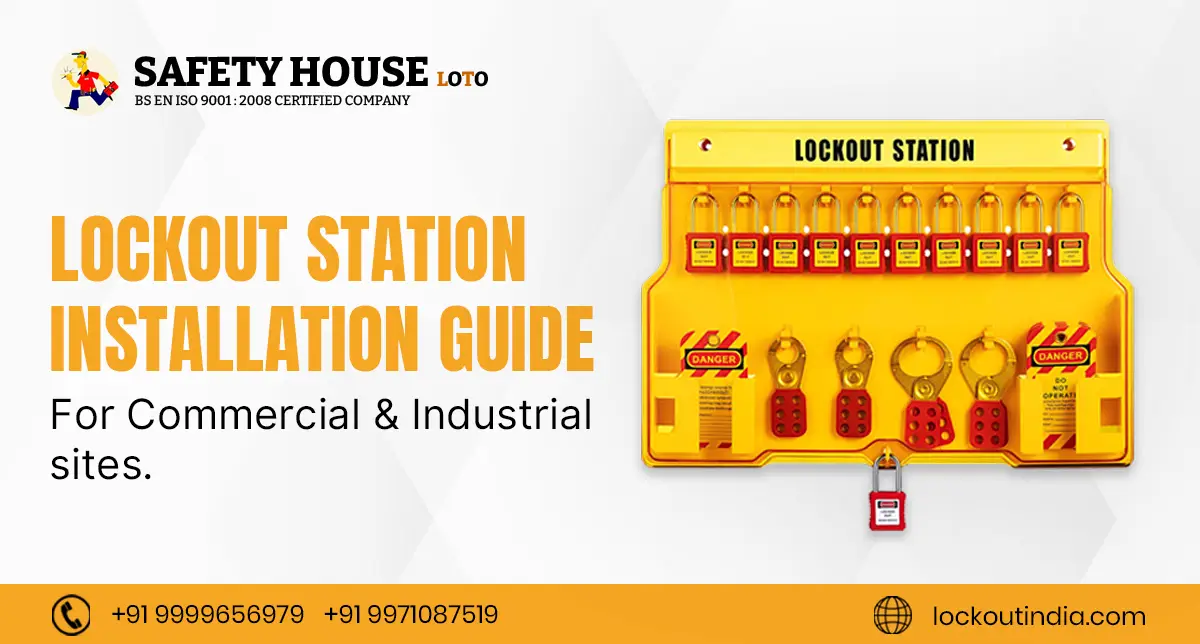
A lockout station is a centralized point where all essential Lockout Tagout products are stored and organized. It allows workers to quickly access safety tools when performing maintenance or repair work.
Typically, a lockout station includes:
These tools are essential for isolating energy sources and ensuring complete workplace safety.
Why Lockout Stations Are Important
Installing a lockout station is critical for preventing workplace accidents. Without proper lockout systems, employees are exposed to serious risks.
Key Benefits:
- Prevents accidental machine startup
- Ensures compliance with safety standards
- Improves workplace organization
- Reduces downtime caused by accidents
- Promotes a safety-first culture
Many lockout tagout manufacturers in India emphasize the importance of structured safety systems for industrial environments.
Types of Lockout Tagout Products Used
Before installing a lockout station, it’s important to understand the tools involved.
1. Lockout Padlocks
These are used to lock energy sources and ensure only authorized personnel can access them.
2. Lockout Hasp
Allows multiple workers to lock a single energy source simultaneously.
3. MCB Lockout
Used to secure circuit breakers and prevent electrical hazards.
4. Valve Lockout
Designed to lock valves in a safe position during maintenance.
5. Group Lockout Box
Used when multiple technicians are working on the same equipment.
6. Scaffold Tag
Indicates whether equipment or scaffolding is safe to use.
A reliable lockout supplier like Safety House LOTO provides all these essential safety lockout products in one place.
Step-by-Step Lockout Station Installation Guide
Installing a lockout station properly ensures maximum efficiency and safety.
Step 1: Identify High-Risk Areas
Start by identifying machines and equipment that require regular maintenance. These areas are ideal locations for a lockout station.
Step 2: Choose the Right Location
Install the lockout station in a visible and easily accessible area. It should be close to machinery but not obstruct operations.
Step 3: Select the Right Lockout Products
Choose appropriate lockout products based on your equipment type:
- Electrical systems → MCB Lockout
- Valves → Valve lockout
- Multiple workers → Group Lockout Box
Step 4: Organize the Station Properly
Ensure all tools are neatly arranged:
- Label each section
- Keep frequently used items at eye level
- Store Lockout Kit and LOTO KIT for quick access
Step 5: Train Your Team
Even the best lockout station is useless without proper training. Employees must understand:
- What is a lockout kit
- How to use each tool
- Safety procedures
Step 6: Regular Inspection and Maintenance
Inspect your lockout station regularly to ensure:
- Tools are in good condition
- Missing items are replaced
- Safety standards are maintained
Advantages and Disadvantages of Lockouts
Understanding the advantages and disadvantages of lockouts helps in better implementation.
Advantages:
- Prevents serious workplace injuries
- Ensures compliance with OSHA standards
- Improves operational safety
- Reduces liability risks
Disadvantages:
- Requires proper training
- Initial setup cost
- Time needed for implementation
However, the benefits of a lockout station far outweigh the disadvantages.
Why Choose Safety House LOTO?
When selecting a lockout supplier, quality and reliability matter the most. Safety House LOTO is known as a trusted manufacturer of lockout products offering durable and certified solutions.
Key Reasons:
- Wide range of Lockout Tagout products
- High-quality osha lock standards
- Reliable key box and storage solutions
- Complete safety kits and accessories
- Trusted among lockout tagout manufacturers in India
Choosing the right supplier ensures long-term safety and compliance.
Best Practices for Lockout Station Setup
To maximize the effectiveness of your lockout station, follow these best practices:
- Place stations near high-risk equipment
- Use clear labels and instructions
- Maintain proper inventory of tools
- Conduct regular safety audits
- Use standardized lockout products
A well-managed lockout station improves both safety and efficiency.
How Lockout Stations Improve Workplace Safety
A properly installed lockout station creates a structured safety system. It ensures that every worker follows a standard process before working on machinery.
This not only prevents accidents but also builds a culture where safety becomes a priority rather than an afterthought.
FAQs About Lockout Stations
1. What is a lockout station?
A lockout station is a centralized storage unit for Lockout Tagout products used to ensure machinery safety during maintenance.
2. What is included in a lockout kit?
A lockout kit typically includes padlocks, hasps, tags, and other tools required to isolate energy sources.
3. Why are lockout stations important in industries?
They help prevent accidental machine startups and ensure worker safety during maintenance.
4. Who should use lockout stations?
All industrial workers, maintenance staff, and technicians working with machinery should use lockout stations.
5. Where can I find quality lockout products in India?
You can choose trusted suppliers like Safety House LOTO, known for providing reliable safety solutions.
Final Thoughts
A properly installed lockout station is a crucial part of any industrial safety system. It not only prevents accidents but also ensures compliance with safety regulations.
By choosing high-quality Lockout Tagout products from trusted suppliers like Safety House LOTO and following proper installation practices, businesses can create a safer and more efficient work environment.
Investing in the right safety systems today can prevent major risks tomorrow.
Avoid Costly Downtime – See How Lockout Stations Keep Your Machines in Check
Unplanned machine downtime is one of the biggest challenges faced by industrial facilities today. Beyond lost productivity, it often brings safety risks, repair expenses, and compliance issues. Many of these problems arise during maintenance or repair work when machines are not properly isolated from energy sources. This is where Lockout Stations play a critical role.
In this detailed guide, we’ll explore how Lockout Station help prevent costly downtime, improve workplace safety, and create a structured approach to energy control. Written in the context of Safety House Loto, this blog aims to give end users practical, real-world insights rather than generic advice.
Understanding the Real Cost of Downtime
Downtime is not just about machines standing still. It has a ripple effect across the entire operation.
- Production delays lead to missed deadlines
- Unexpected repairs increase maintenance budgets
- Worker injuries result in compensation claims and legal risk
- Non-compliance with safety regulations can attract penalties
Many of these issues stem from improper lockout–tagout practices. When maintenance teams cannot quickly access the right lockout devices, shortcuts happen—and shortcuts are costly.
What Are Lockout Stations?
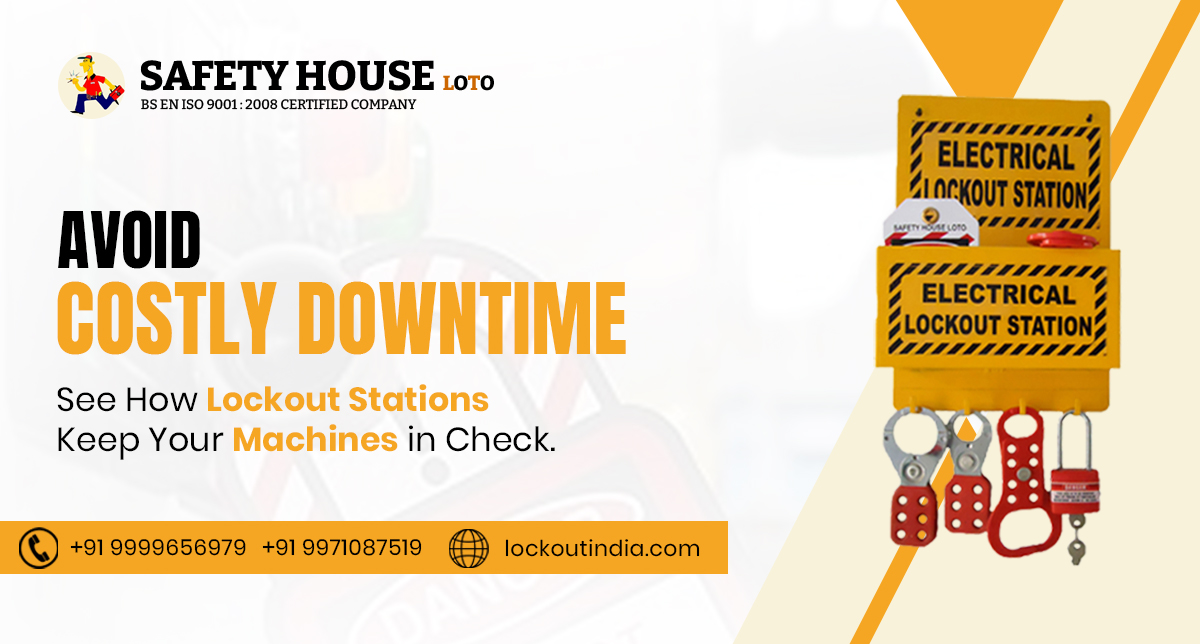
Lockout Stations are centralized storage units designed to hold all essential lockout–tagout devices in one clearly visible, accessible location. They act as the command center for any lockout activity on the shop floor.
A well-organized station typically includes:
- Lockout Padlocks in multiple colors
- Hasps, tags, and circuit breaker lockouts
- Valve lockouts and cable devices
- A complete LOTO KIT for different applications
By keeping everything in one place, Lockout Stations eliminate confusion, save time, and ensure that safety procedures are followed consistently.
Why Lockout Stations Are Critical for Machine Safety
1. Faster Response During Maintenance
When a machine needs servicing, time matters. Searching for individual lockout devices wastes valuable minutes. With Lockout Stations, technicians immediately know where to find the correct LOTO KIT, reducing maintenance time without compromising safety.
2. Eliminating Human Error
Improper lockout is often caused by missing or mismatched devices. Centralized Lockout Stations reduce this risk by standardizing the lockout process and ensuring that approved Lockout Padlocks and accessories are always available.
3. Supporting Compliance and Audits
Safety audits demand proof of effective lockout–tagout systems. Clearly labeled Lockout Stations demonstrate a company’s commitment to safety and make compliance checks smoother.
How Lockout Stations Help Prevent Costly Downtime
Clear Visibility = Better Discipline
When Lockout Stations are installed near machines or maintenance zones, they act as constant visual reminders of safety protocols. Workers are less likely to bypass procedures when the tools are clearly in front of them.
Standardized Procedures Across Teams
Different shifts and departments often follow slightly different practices. Lockout Stations help standardize lockout routines, ensuring that everyone uses the same Lockout Padlocks, tags, and devices—every time.
Reduced Equipment Damage
Machines that are accidentally energized during maintenance can suffer severe damage. Using the correct LOTO KIT from a well-equipped Lockout Station protects not just workers, but the machines themselves.
Key Components of an Effective Lockout Station
Lockout Padlocks
These are the backbone of any lockout system. Unlike regular padlocks, Lockout Padlocks are designed for safety use:
- Non-conductive and corrosion-resistant
- Available in multiple colors for identification
- Unique keying options for accountability
LOTO KIT
A complete LOTO KIT includes devices for electrical, mechanical, hydraulic, and pneumatic energy sources. Having a full kit inside the Lockout Station ensures that no energy source is overlooked.
Tags and Hasps
Tags communicate critical information such as who locked the equipment and why. Hasps allow multiple workers to lock out the same machine safely during group maintenance.
Choosing the Right Lockout Station for Your Facility
Not all facilities have the same needs. Selecting the right Lockout Station depends on several factors:
- Size of the operation – Larger plants may need multiple stations
- Type of machinery – Determines the kind of lockout devices required
- Number of workers – Impacts the quantity of Lockout Padlocks needed
At Safety House Loto, Lockout Station are designed to be modular and scalable, making them suitable for small workshops as well as large industrial plants.
Best Practices for Using Lockout Stations Effectively
Train Your Team
Even the best Lockout Stations are ineffective without proper training. Workers must understand:
- When to use lockout–tagout
- How to select the correct LOTO KIT
- Why Lockout Padlocks should never be shared
Assign Responsibility
Designate safety officers or supervisors to inspect Lockout Stations regularly. Missing or damaged devices should be replaced immediately.
Place Stations Strategically
Lockout Stations should be installed near high-risk machines or maintenance zones—not hidden away in storage rooms.
Why Safety House Loto Is a Trusted Name
Safety House Loto specializes in providing high-quality Lockout Stations and lockout–tagout solutions designed for real industrial challenges. What sets us apart is our focus on usability, durability, and compliance.
- Robust Lockout Station built for industrial environments
- Premium Lockout Padlocks with reliable key systems
- Comprehensive LOTO KIT options for diverse applications
- Expert guidance to help you build a strong safety culture
By choosing Safety House Loto, organizations invest not just in products, but in long-term operational safety.
Lockout Stations: A Smart Investment, Not an Expense
Many companies view safety equipment as a cost. In reality, Lockout Stations are an investment that pays for itself by:
- Reducing unplanned downtime
- Preventing accidents and injuries
- Extending machine life
- Improving workforce confidence
When machines are properly locked out using standardized systems, maintenance becomes predictable and controlled—exactly what modern industries need.
Conclusion
Avoiding costly downtime starts with taking control of machine safety. Lockout Stations provide structure, visibility, and consistency to lockout–tagout practices, ensuring that machines remain secure during maintenance and repair.
With the right combination of Lockout Stations, Lockout Padlocks, and a complete LOTO KIT, industries can significantly reduce risks while improving efficiency. Safety House Loto remains committed to helping businesses protect their people, their machines, and their productivity—because safety done right is downtime avoided.
The Cost of Ignoring Lockout Stations: Accidents, Fines & Lost Productivity
Introduction
Safety should always be paramount in industrial environments. Despite this, lost consideration for Lockout Stations by many businesses could lead to dire consequences. Lockout products ensure that machinery/populated devices do not start up unexpectedly during maintenance which can lead to energy releases. Failure to follow proper lockout procedures are a leading cause of workplace accidents and injuries, resulting in hefty fines and lost productivity. This blog will talk about the consequences of ignoring Lockout Station and how high-quality solutions from a leading manufacturer of lockout products is an imperative for workplace safety.
Lockout Stations: Protecting Workers and Preventing Workplace Accidents
Lockout Stations are centrally located units that house key lockout products, such as padlocks, tags, and hasps. This prevents unnecessary accidents of the equipment turning on, as employees have immediate access to safety devices near these stations. Without proper lockout measures in place, unaware workers may interact with energized machinery, resulting in serious injury or death.
Key Benefits of Lockout Stations:
- Prevention of Accidents: Ensures machinery remains inoperable during maintenance.
- Compliance with Safety Regulations: Meets OSHA and industry standards to avoid legal penalties.
- Improved Organization: Keeps lockout products in one accessible location.
- Enhanced Productivity: Reduces downtime by streamlining the lockout process.
The High Cost of Neglecting Lockout Stations
Ignoring the need for Lockout Stations can have far-reaching consequences for businesses. From worker injuries to financial penalties, the risks are significant.
1. Workplace Accidents and Injuries
Failing to follow lockout procedures puts workers at an increased risk for electrical shock, crushing injuries, burns, or amputations. Industrial machinery functions on high energy, and a small mistake can have deadly consequences. Checking the working Mechanics and Equipments Prevent the risk of Hazards Implementing proper Lockout stations will get you rid of these risks, ensuring a safer work environment.
2. Legal Consequences and Heavy Fines
There are also strict guidelines on lockout procedures imposed by regulatory bodies. Non-compliance with safety guidelines can cost hefty fines and legal treats. OSHA and similar agencies around the world require the use of lockout products to help prevent on the job injuries. Failing to comply can lead to loss of money but can also ruin a company’s image.
3. Reduced Productivity and Downtime
Accidents caused by improper lockout procedures can halt production for hours or even days. Workplace injuries lead to investigations, equipment shutdowns, and workforce disruptions, all of which negatively impact productivity. Investing in high-quality Lockout Station from a reputable manufacturer of lockout products can prevent these issues and keep operations running smoothly.
Choosing the Right Lockout Stations for Your Business
Selecting the right Lockout Station is essential for effective energy control. Here are some factors to consider when choosing lockout solutions:
1. Assess Your Workplace Needs
Different industries require different lockout solutions. Identify the specific hazards in your workplace and choose lockout products accordingly.
2. Opt for High-Quality Materials
Durability is key when it comes to lockout products. Choose stations made from industrial-grade materials that can withstand harsh environments.
3. Ensure Compliance with Safety Standards
Always source Lockout Stations from a trusted manufacturer of lockout products that meets industry regulations. Ensuring compliance can protect your business from legal repercussions.
4. Customization for Efficiency
Custom Lockout Stations tailored to your workplace can enhance safety and efficiency. Choose a solution that fits your specific operational needs.
Proper Implementation and Maintenance of Lockout Stations
Once Lockout Stations are installed, regular maintenance and employee training are necessary to maintain safety standards.
1. Employee Training and Awareness
Workers must be trained on the proper use of Lockout Stations and lockout products. Regular safety drills can reinforce the importance of lockout procedures.
2. Routine Inspections
Regular checks ensure that lockout products remain in good condition and are readily available when needed.
3. Updating Lockout Procedures
Workplace hazards evolve, and so should lockout protocols. Keep safety measures updated to address new risks effectively.
Conclusion
Accidents, financial loss, and loss of productivity are dire consequences of ignoring Lockout Stations. The workforce contains tools and machinery to operate in daily activities; therefore, quality lockout products are mandatory for safety purposes and corporate laws. A reliable manufacturer of lockout products like Safety House Loto will offer durable and effective products designed to meet unique business requirements. Implementing Lockout Stations effectively before any incidents occur is not only a legal requirement, but fundamental in protecting your workforce and preventing disruption in the workplace.
Top Features to Look for in a Reliable Lockout Station
When it comes to industrial safety, ensuring the protection of employees during maintenance or repair work is a top priority. A Lockout Station plays a crucial role in achieving this by storing Lockout Tagout (LOTO) products in a centralized, easily accessible location. Choosing the right lockout station is vital for maintaining safety standards, preventing accidental startups, and ensuring compliance with regulations. In this blog, we’ll explore the key features to look for in a reliable lockout station, particularly for manufacturers of lockout products like Safety House Loto.
1. Durable and Weather-Resistant Material
One of the most critical aspects of a reliable lockout station is its durability. The station should be made from high-quality, impact-resistant materials to withstand harsh industrial environments. Depending on the location where it will be used (indoor or outdoor), you might need a lockout station that is resistant to extreme weather conditions like rain, heat, and corrosion. A durable lockout station ensures longevity and continuous protection of lockout products, preventing unnecessary wear and tear.
Why Durability Matters
Durability reduces the frequency of replacements and ensures that lockout devices remain protected and ready for use when needed. This is particularly important in high-activity environments where lockout products are used frequently.
2. Ample Storage Capacity
A good lockout station should offer enough storage space to accommodate all essential lockout products like padlocks, tags, lockout hasps, and lockout devices for electrical equipment. Depending on the needs of your facility, the station should come in different sizes to allow for flexibility in storage. Safety House Loto, as a leading manufacturer of lockout products, designs lockout stations with varying capacities to meet the diverse needs of industries.
Why Storage Matters
Proper storage ensures that all lockout devices are neatly organized and easily accessible during emergencies. It also prevents misplacement, ensuring that equipment remains available for authorized personnel during lockout procedures.
3. Customization Options
No two workplaces are the same, and neither are their lockout needs. A customizable lockout station allows companies to design a storage system that fits their unique requirements. Features such as customizable compartments, modular designs, and additional space for future expansion can make a lockout station more adaptable.
Benefits of Customization
Customization not only enhances the station’s efficiency but also allows you to add or remove components based on the evolving safety needs of your facility. It makes the lockout station more user-friendly and practical for specific industry demands.
4. Clear Labeling and Organization
An efficient lockout station must have clear labeling to identify each lockout device’s location. This makes it easy for employees to quickly find the required equipment during critical maintenance or servicing tasks. Color-coded sections and compartments also improve organization, enabling workers to immediately locate the necessary lockout products.
The Role of Organization in Safety
Clear labeling minimizes downtime during lockout procedures, ensures compliance with safety regulations, and reduces the chances of human error during equipment lockout.
5. Compliance with Safety Standards
A reliable lockout station must adhere to industry regulations such as OSHA (Occupational Safety and Health Administration) standards. Compliance ensures that the station and its components meet specific safety guidelines, protecting workers from accidents caused by unexpected equipment startups.
Importance of Compliance
Non-compliance with safety standards can result in legal complications, penalties, and increased risks to worker safety. Choosing a lockout station that meets regulatory requirements ensures that you’re prioritizing safety and adhering to best practices.
6. Visibility and Accessibility
A lockout station should be highly visible and located in an area that is easily accessible to all relevant employees. Bright colors, such as yellow or red, are often used to ensure that the station stands out in the work environment. Additionally, it should be mounted at a height where employees can quickly grab the necessary lockout devices.
Ensuring Visibility
Visibility improves response time during emergencies and ensures that the lockout station is always within reach, allowing workers to implement safety measures efficiently.
7. Portability for Flexible Use
In certain industries, having a portable lockout station can greatly improve operational efficiency. Portable lockout stations allow workers to take essential lockout devices directly to the area where maintenance is being performed. This feature is particularly useful for large facilities where access to a fixed lockout station might not be convenient.
Benefits of Portability
Portability allows for quick and easy transportation of lockout products, enhancing the overall safety of maintenance procedures in large or spread-out work environments.
Conclusion
Choosing the right lockout station is a critical decision for any facility that prioritizes safety. By focusing on features like durability, storage capacity, customization, and compliance, companies can significantly improve their lockout procedures and ensure a safer working environment. Safety House Loto, a trusted manufacturer of lockout products, offers high-quality lockout stations that meet industry standards, helping organizations protect their workers and maintain compliance.
By investing in a reliable lockout stations, industries can not only enhance the safety of their employees but also streamline their lockout/tagout procedures, making their operations more efficient and secure.
Choosing the Right Lockout Station: Factors to Consider for Your Industry Needs
Essential Factors for Selecting the Best Lockout Station for Your Industry
In industrial settings, prioritizing worker safety is crucial. One critical aspect of maintaining workplace safety is the implementation of effective lockout/tagout (LOTO) procedures. A key component of any LOTO system is the lockout station, which organizes and stores lockout devices. Choosing the right lockout station for your specific industry needs can significantly enhance safety and compliance. Here are some essential factors to consider when selecting a lockout station.
Understanding Lockout Stations
Lockout stations are centralized storage units designed to hold and organize lockout devices such as padlocks, tags, lockout hasps, and other necessary equipment. These stations ensure that all necessary tools are readily available, promoting efficiency and safety during maintenance and repair activities.
Assessing Your Industry’s Needs
1. Type of Equipment
The type of machinery and equipment in your facility greatly influences the kind of lockout station you require. Different machines may require specific lockout devices, so it’s crucial to inventory your equipment and determine the appropriate lockout tools needed. For example, electrical equipment may need circuit breaker lockouts, while mechanical machinery might require valve lockouts.
2. Frequency of Use
Consider how often lockout procedures are performed in your facility. High-frequency lockout activities necessitate a robust and easily accessible lockout station. In contrast, for occasional use, a more compact station might suffice. Evaluating the frequency of use helps in determining the size and complexity of the lockout station required.
3. Number of Employees
The number of employees who will be using the lockout station also plays a significant role in your choice. A larger workforce may need a more extensive station with multiple lockout devices to ensure that everyone has access to the necessary tools when needed.
Key Features to Look For
1. Durability
A lockout station must be durable to withstand harsh industrial environments. Look for stations made from robust materials like high-impact plastics or metals. Durability ensures the station remains intact and functional over time, providing reliable service.
2. Organization
Effective organization is critical for a lockout station. It should have designated spots for each lockout device, making it easy to find and return items. Stations with clear labeling and compartments for different devices can significantly enhance efficiency and prevent misplacement of tools.
3. Accessibility
A lockout station should be easily accessible to all employees. Consider its placement in the facility – it should be in a central location that is convenient for workers. Wall-mounted stations are often a good choice as they save space and keep the devices at eye level.
4. Capacity
Ensure the lockout station has enough capacity to store all the necessary devices. A station that is too small can lead to clutter and inefficiency, while an oversized station might be unnecessarily costly. Match the station’s capacity with your specific needs to maintain an organized and functional setup.
Customization Options
1. Industry-Specific Solutions
Different industries have unique requirements, and customizable lockout stations can address these needs. Some lockout suppliers offer stations tailored to specific industries, ensuring that all necessary devices are included and appropriately organized.
2. Expandability
As your facility grows or changes, your lockout needs may evolve. Choose a lockout station that allows for expandability. Modular stations that can be easily added to or reconfigured provide flexibility for future adjustments.
Choosing the Right Lockout Supplier
1. Reputation and Reliability
Select a lockout supplier with a solid reputation for quality and reliability. A reputable supplier will offer durable, high-quality lockout stations and devices, ensuring long-term safety and compliance.
2. Customer Support
Good customer support is crucial when selecting a lockout supplier. They should provide comprehensive assistance, from helping you choose the right station to offering after-sales support. A supplier with excellent customer service can be a valuable partner in maintaining workplace safety.
3. Compliance with Standards
Ensure that the lockout station and devices comply with relevant safety standards and regulations. Compliance guarantees that the tools meet industry requirements and provide the highest level of safety for your workers.
Conclusion
Choosing the right lockout stations is a critical step in enhancing workplace safety and ensuring compliance with LOTO procedures. By considering factors such as the type of equipment, frequency of use, number of employees, and key features like durability, organization, and accessibility, you can select a lockout station that meets your industry needs. Additionally, partnering with a reputable lockout supplier, like Safety House Loto, ensures you receive high-quality, reliable products and excellent customer support. Prioritize these considerations to create a safer and more efficient working environment.