How to Use a Scaffold Tag System on Your Construction Site
Construction sites are inherently dangerous environments where worker safety must remain the top priority. Among the various safety protocols, implementing an effective scaffold tag system stands as one of the most critical measures for preventing accidents and ensuring regulatory compliance. When combined with proper lockout/tagout (LOTO) procedures, these systems create multiple layers of protection that can save lives.
Understanding Scaffold Tags and Their Importance
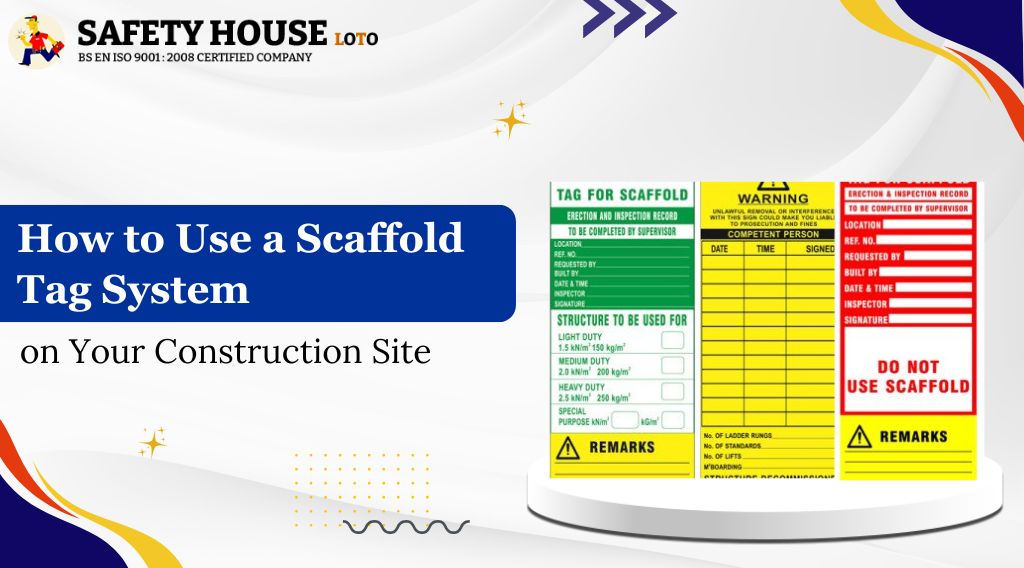
A scaffold tag serves as a visual communication tool that instantly conveys the safety status of scaffolding structures. These tags eliminate guesswork and provide clear, standardized information about whether scaffolding is safe to use, under construction, or requires maintenance. Without proper tagging systems, workers may unknowingly access unstable or incomplete scaffolding, leading to serious injuries or fatalities.
The color-coded system typically includes:
- Green tags: Scaffolding is complete and safe for use
- Yellow tags: Scaffolding is partially complete or has restrictions
- Red tags: Scaffolding is unsafe and must not be used
Essential Components of an Effective Tag System
Visual Identification Standards
Every scaffold tag must include specific information such as the inspection date, competent person’s signature, maximum load capacity, and any special restrictions. The tags should be weather-resistant and clearly visible from multiple angles. Positioning them at access points ensures no worker can enter the scaffolding area without seeing the safety status.
Documentation and Record Keeping
Maintaining detailed records of scaffold inspections, tag placements, and status changes creates an audit trail that demonstrates regulatory compliance. This documentation becomes invaluable during safety inspections and helps identify patterns that might indicate recurring issues with specific scaffolding configurations or locations.
Integration with LOTO Procedures
Lockout/tagout procedures work hand-in-hand with scaffold tagging systems to create comprehensive safety protocols. While scaffold tags indicate structural safety, a complete LOTO KIT ensures that any energy sources connected to or near the scaffolding are properly isolated and controlled.
Energy Source Management
Construction sites often have scaffolding near electrical systems, hydraulic equipment, or other energy sources. Incorporating LOTO procedures means identifying these hazards and using appropriate devices from your LOTO KIT to secure them before scaffold work begins. This dual approach addresses both structural and energy-related hazards simultaneously.
Implementation Best Practices
Training and Competency Requirements
Every worker who will interact with scaffolding must understand the tag system completely. This includes recognizing different tag colors, understanding their meanings, and knowing the proper procedures for reporting damaged or missing tags. Regular refresher training ensures these critical safety concepts remain fresh in workers’ minds.
Competent persons responsible for scaffold inspection and tagging require additional specialized training. They must understand structural engineering principles, recognize potential failure modes, and make informed decisions about scaffold safety status.
Regular Inspection Protocols
Establishing consistent inspection schedules prevents safety gaps that could lead to accidents. Daily visual inspections by qualified personnel, combined with more thorough weekly examinations, help identify issues before they become dangerous. Weather events, nearby construction activities, or equipment impacts should trigger immediate re-inspection regardless of the regular schedule.
Communication and Accountability
Clear communication channels ensure that tag status changes reach all relevant personnel quickly. When scaffolding transitions from unsafe to safe status, or vice versa, every affected worker must receive this information promptly. Digital tracking systems can supplement physical tags by providing real-time updates and maintaining automatic records.
Common Challenges and Solutions
Weather conditions, vandalism, and normal wear can damage or remove scaffold tags, creating dangerous information gaps. Regular tag maintenance and replacement protocols address these issues proactively. Having backup systems, such as digital records accessible through mobile devices, provides additional safety redundancy.
Worker compliance sometimes presents challenges, particularly when project schedules create pressure to bypass safety procedures. Strong leadership commitment to safety, combined with clear consequences for non-compliance, helps maintain consistent adherence to tagging protocols.
Conclusion
Implementing a comprehensive scaffold tag system requires commitment, training, and consistent execution, but the investment pays dividends in worker safety and regulatory compliance. When properly integrated with LOTO procedures and supported by quality safety equipment, these systems create robust protection against construction site hazards. Safety House Loto remains committed to providing the tools and expertise necessary to maintain the highest safety standards on construction sites. Remember that every tag represents a life potentially saved through proper safety communication and hazard control.
Digital vs. Traditional Lock Boxes: Which One Is Right for You?
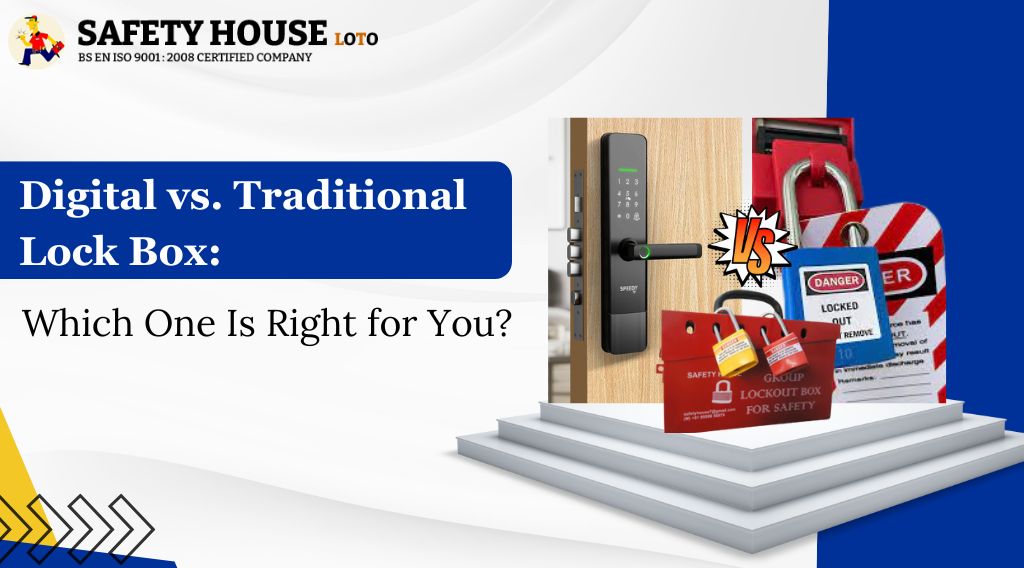
In industrial safety protocols, particularly within Lockout/Tagout (LOTO) procedures, selecting the appropriate lock box is crucial for ensuring the safety of personnel and equipment. Lock boxes, including Group Lockout Boxes and key boxes, are essential tools that facilitate the secure management of keys during maintenance and servicing activities. With advancements in technology, digital lock boxes have emerged as alternatives to traditional mechanical ones. This article explores the differences between digital and traditional lock box to help you determine which is best suited for your needs.
Understanding Lock Boxes in LOTO
A lock box is a secure container used to store keys that control access to energy-isolating devices. In a Group Lockout scenario, a Group Lockout Box allows multiple workers to apply their personal locks, ensuring that equipment cannot be re-energized until all locks are removed. This system enhances safety by requiring each authorized employee to verify that the equipment remains de-energized during maintenance.
Traditional Lock Boxes
Advantages:
- Simplicity and Reliability: Traditional lock boxes are mechanical devices with no electronic components, making them straightforward to use and less prone to technical failures.
- Cost-Effective: Generally, they have a lower upfront cost compared to digital alternatives.
- No Power Dependency: They do not require batteries or electrical power, ensuring functionality even during power outages
Disadvantages:
- Limited Access Control: Managing access requires physical keys, which can be lost, duplicated, or stolen, posing security risks.
- No Audit Trail: Traditional lock box do not provide records of access, making it difficult to track who accessed the keys and when.
- Manual Key Management: Assigning and retrieving keys is a manual process, which can be time-consuming and error-prone.
Digital Lock Boxes
Advantages:
- Enhanced Security Features: Digital lock box often include features such as PIN codes, biometric access, and RFID card readers, reducing the risk of unauthorized access.
- Audit Trails: They can record access logs, providing a history of who accessed the box and when, which is valuable for compliance and accountability.
- Remote Access and Management: Some models allow administrators to manage access permissions remotely, facilitating quicker response times and flexibility.
- Customizable Access Levels: Access can be tailored for different users, with options for temporary or scheduled access, enhancing operational efficiency.
Disadvantages:
- Higher Initial Investment: Digital lock box typically have a higher purchase price and may incur additional costs for software or network integration.
- Power and Connectivity Requirements: They rely on batteries or electrical power and may require network connectivity, which can be a limitation in certain environments.
- Technical Complexity: Installation and maintenance may require technical expertise, and there is a potential risk of electronic malfunctions.
Choosing the Right Lock Box for Your Needs
When deciding between a digital and traditional lock box, consider the following factors:
- Operational Environment: In environments where power supply and network connectivity are reliable, digital lock box can offer enhanced features. In contrast, traditional lock boxes are suitable for locations where simplicity and independence from power sources are priorities.
- Security Requirements: If detailed access records and customizable permissions are essential, digital lock boxes provide superior capabilities. For basic security needs, traditional lock boxes may suffice.
- Budget Constraints: Evaluate the total cost of ownership, including initial investment and ongoing maintenance. While digital lock boxes have higher upfront costs, they may offer long-term savings through improved efficiency and security.
- Compliance and Accountability: Industries with strict regulatory requirements may benefit from the audit trails and access controls provided by digital lock boxes.
Conclusion
Both digital and traditional lock boxes play vital roles in ensuring safety during maintenance and servicing operations. Traditional lock boxes offer simplicity and reliability, making them suitable for straightforward applications. Digital lock boxes provide advanced features that enhance security, accountability, and operational efficiency. Assessing your specific needs, operational environment, and regulatory requirements will guide you in selecting the most appropriate lock box solution for your organization.
At Safety House Loto, we offer a comprehensive range of lockout solutions. Our products are crafted to ensure maximum safety and compliance, providing you with the tools necessary to maintain a secure working environment.
