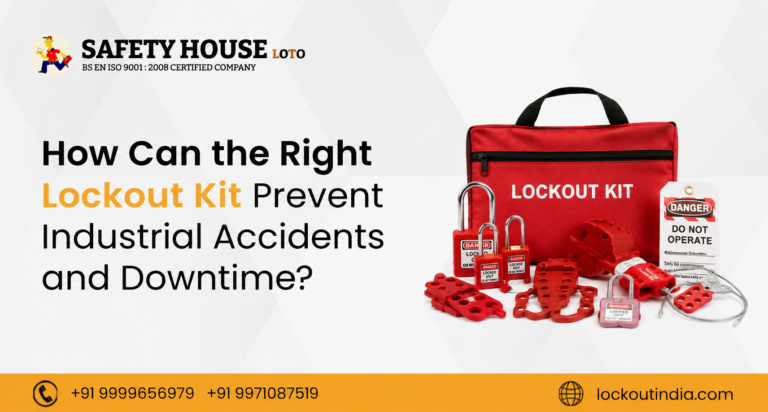
Category : Lockout Kit

LOTO Kits

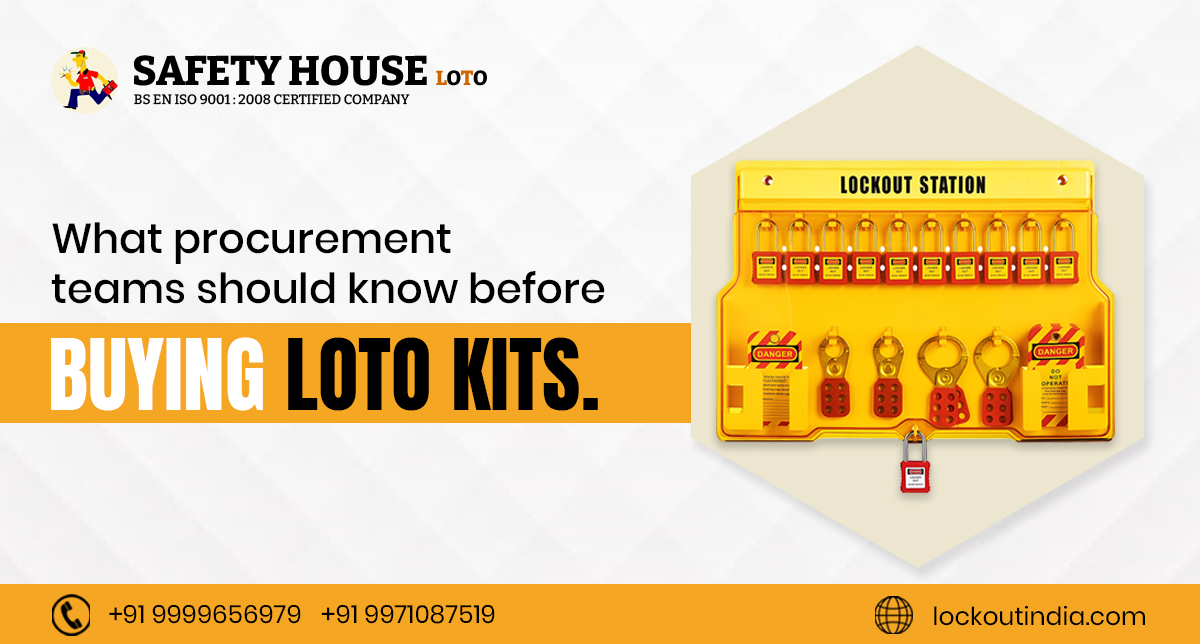
What Procurement Teams Should Know Before Buying LOTO Kits

  • Posted On: February 9, 2026

  • Categorized In:

  • Written By: blog


In industrial environments, safety purchases are never just about price—they’re about reliability, compliance, and real-world usability. For procurement teams, purchasing LOTO Kits (Lockout Tagout Kits) is a critical responsibility, as these kits directly impact worker safety, regulatory compliance, and operational continuity.

Before finalizing a purchase, procurement professionals must understand what truly defines an effective lock out tag out kit, beyond just product catalogs and quotations. At Safety House Loto, we help organizations make informed decisions by aligning safety solutions with operational needs.


Understanding the Purpose of LOTO Kits

LOTO Kits are designed to prevent the accidental startup of machinery during maintenance, repair, or inspection activities. They isolate hazardous energy sources using physical locking devices and clear identification tags.

A standard lockout tagout kit typically includes multiple locking devices, tags, and accessories that ensure machinery remains safely de-energized. For procurement teams, the goal is to select kits that are versatile, durable, and compliant with safety standards—while fitting the facility’s specific applications.


Identifying the Right Type of LOTO Kit for Your Facility

Not all facilities require the same kind of LOTO solution. Understanding operational risks is the first step toward selecting the right loto kit set.

Electrical vs Mechanical Applications

Facilities with high electrical exposure should prioritize a loto kit electrical, which includes insulated devices designed for circuit breakers, switchgear, and electrical panels. Mechanical-heavy environments may need valve lockouts, cable lockouts, or plug lock devices.

Department-Wise Usage

Some organizations require centralized kits, while others need department-specific or portable kits. In such cases, choosing a well-organized loto kit box ensures quick access and accountability during maintenance work.


Key Components Procurement Teams Should Evaluate

A reliable loto lock is the backbone of any lockout system. Procurement teams should carefully evaluate the following components before approving a purchase:

  • Padlocks: Must be durable, uniquely keyed, and corrosion-resistant

  • Tags: Clearly visible, weather-resistant, and compliant with safety labeling norms

  • Locking Devices: Suitable for breakers, valves, plugs, and switches

  • Storage Box: Sturdy, portable, and clearly labeled

An effective loto kit set balances completeness with ease of use, ensuring safety procedures don’t become time-consuming or confusing.


Compliance, Standards, and Documentation

Procurement decisions must align with local and international safety regulations. A certified lockout tagout kit supports compliance with OSHA, ISO, or equivalent safety standards.

Beyond the physical kit, procurement teams should verify:

  • Product certification and test reports

  • Clear user instructions and labeling

  • Compatibility with internal safety procedures

At Safety House Loto, our kits are designed to meet industry standards while remaining practical for everyday use.


Durability and Long-Term Value

Safety equipment is an investment, not a one-time expense. While loto kit price is often a deciding factor, focusing only on upfront cost can be misleading.

Low-quality locks and tags may wear out quickly, leading to frequent replacements and higher long-term costs. High-quality LOTO Kits reduce replacement frequency, minimize downtime, and enhance workforce confidence.

Procurement teams should assess:

  • Material quality

  • Resistance to chemicals, heat, and moisture

  • Ease of maintenance and replacement


Customization and Scalability

As facilities grow, safety systems must scale with them. Modular loto kit box options allow organizations to expand lockout coverage without replacing entire systems.

Customized kits—tailored to specific equipment or departments—improve usability and adoption. Procurement teams should consider suppliers who offer flexibility rather than fixed, generic kits.


Evaluating LOTO Kit Pricing Strategically

Understanding loto kit price requires looking beyond the quote. Procurement teams should compare:

  • Number of devices included

  • Type and quality of locks

  • Suitability for electrical or mechanical systems

  • After-sales support and replacement availability

A competitively priced loto kit electrical that lacks essential devices may end up costing more in operational inefficiencies.


Supplier Reliability and Support

Choosing the right supplier is as important as choosing the right kit. A trusted supplier ensures consistent quality, documentation support, and availability of spare components.

Safety House Loto focuses on long-term partnerships, offering expert guidance to help procurement teams select the most effective lockout tagout kit for their specific applications.


Conclusion

For procurement teams, buying LOTO Kits is a safety-critical decision that goes far beyond cost comparison. The right lock out tag out kit improves compliance, protects workers, and supports uninterrupted operations.

By evaluating application needs, component quality, scalability, and supplier reliability, procurement professionals can ensure their investment delivers real safety value. With expertly designed solutions and industry insight, Safety House Loto remains a trusted partner in workplace safety.


FAQs

1. What is included in a standard LOTO kit?

A typical kit includes padlocks, tags, breaker lockouts, valve lockouts, cable devices, and a storage box. The exact contents vary by application.

2. How do I choose between a general LOTO kit and a loto kit electrical?

If your facility handles frequent electrical maintenance, a loto kit electrical is recommended due to its insulated and circuit-specific components.

3. Is loto kit price the most important factor?

No. While price matters, durability, compliance, and suitability for your equipment are more important for long-term safety and cost control.

4. Can LOTO kits be customized?

Yes. Many suppliers, including Safety House Loto, offer customized loto kit sets based on equipment type and department needs.

5. How often should LOTO kits be replaced?

Replacement depends on usage and environment. High-quality kits last longer, but periodic inspection is essential to ensure continued safety.

Loto Kit

Portable vs. Stationary LOTO Kits: Which is Right for Your Business?

  • Posted On: August 16, 2025

  • Categorized In:

  • Written By: blog


In modern industries, ensuring worker safety is not just a regulatory requirement—it’s a commitment to productivity, trust, and long-term growth. One of the most effective safety measures is implementing a LOTO Kit (Lockout Tagout Kit) that prevents accidental machine startups during maintenance. But the question most safety managers face is: Should we invest in portable LOTO kits or opt for stationary setups?

At Safety House Loto, we understand that no two businesses are alike. The right choice depends on your operational environment, workforce mobility, and scale of operations. Let’s break down both options and help you decide which fits your business best.

Understanding the Difference

  • Portable LOTO Kit
    Compact, lightweight, and designed for mobility. Ideal for technicians who move across multiple job sites or need quick access to tools. 
  • Stationary LOTO Kit
    Installed in a fixed location, often wall-mounted, with organized storage for lockout devices. Best suited for large plants where equipment maintenance happens in a centralized manner. 

Both options are designed to enforce compliance and prevent accidents—but choosing wisely can optimize efficiency and safety.


Advantages of Portable LOTO Kits

  1. Flexibility on the Move
    For industries with mobile teams—like utilities, construction, or service contractors—a portable LOTO Kit ensures technicians always have the right tools at hand. 
  2. Compact and Organized
    These kits often include essentials like Lockout Padlocks, hasps, and tags in a single, easy-to-carry case. 
  3. Adaptable Across Work Environments
    Portable kits are ideal for businesses operating in varied climates and terrains, making them a preferred choice for field-based work. 

💡 Hook:  portable kits adapt effortlessly to such diverse requirements.


Advantages of Stationary LOTO Kits

  1. Centralized Safety Hub
    Stationary kits act as a safety control point, where all employees can access lockout devices when needed. 
  2. Organized with Smart Storage
    Many stationary solutions include features like a key box for lock management, ensuring accountability and easy retrieval. 
  3. Scalable for Larger Operations
    For factories or plants running multiple shifts, a stationary LOTO Kit ensures consistency and readiness without relying on individual employees to carry their own tools. 


The Role of Innovations in LOTO Systems

The choice between portable and stationary solutions is no longer limited to convenience. Today, innovations are reshaping how businesses view lockout solutions:

  • Smart Racking Systems: Help in organizing devices within stationary kits for quick accessibility. 
  • Automated Retrieval: Digital systems integrated into stationary setups that track and release lockout devices with precision. 
  • Modular Systems: Both portable and stationary kits can now be customized based on the size of the team and type of machinery. 

These innovations make both portable and stationary LOTO Kit solutions smarter, more efficient, and future-ready.


Key Factors to Consider Before Choosing

When deciding which type of LOTO Kit suits your business, consider the following:

  1. Nature of Work 
    • Mobile workforce → Portable Kit 
    • Fixed plant operations → Stationary Kit 
  2. Workforce Size 
    • Small teams → Portable Kit is more practical. 
    • Large workforce → Stationary Kit ensures consistency. 
  3. Frequency of Use 
    • Occasional maintenance → Portable Kit 
    • Regular lockouts → Stationary Kit with Lockout Kit accessories like tags and Lockout Padlocks. 
  4. Compliance and Training
    Regardless of your choice, training employees on correct usage is critical. 


Why Choose Safety House Loto?

As a trusted safety solutions provider, Safety House Loto offers both portable and stationary LOTO Kit solutions tailored to your industry. From simple Lockout Kits for field operations to advanced stationary setups with key boxes and smart innovations, we provide end-to-end solutions that align with global safety standards.

Our products are engineered for durability, usability, and adaptability—whether you’re securing heavy industrial machinery or conducting routine service checks in dynamic environments.


Conclusion: Striking the Balance

The decision between portable and stationary LOTO Kit solutions ultimately depends on your operational style. Portable kits offer unmatched flexibility for mobile teams, while stationary kits provide robust, centralized control for large plants. With ongoing innovations like modular systems and automated retrieval, both options are becoming increasingly powerful.

The most important factor is commitment to safety. By choosing the right LOTO Kit, your business not only ensures compliance but also builds a culture of protection, efficiency, and trust.

Whether you’re leaning towards portable convenience or stationary reliability, Safety House Loto ensures you have access to world-class safety solution.


Loto Kit

Creating a Custom LOTO Kit: What to Include for Your Unique Facility Needs

  • Posted On: July 29, 2025

  • Categorized In:

  • Written By: blog


Lockout/Tagout (LOTO) is a crucial safety practice in any industrial or manufacturing environment. It ensures that energy sources are effectively isolated during maintenance or repair, preventing accidental equipment startups and safeguarding workers. While standard kits are available in the market, not every facility has identical equipment or operational requirements. Creating a custom LOTO kit allows you to tailor safety solutions for your unique needs, ensuring compliance with safety standards and improving on-site efficiency.

In this blog, we’ll explore the essentials of building a personalized Lockout Kit, what to consider while selecting components, and how partnering with a reliable lockout supplier can make the process seamless.


Why Customize Your LOTO Kit?

A generic LOTO kit may not always align with the specific machines, energy sources, or workflows in your facility. Customizing your kit ensures:

  • Better Compatibility: Each machine may require different devices (valve lockouts, breaker lockouts, etc.). A custom kit ensures everything fits properly.
  • Improved Safety Compliance: OSHA and other local safety guidelines often require facility-specific procedures. Tailored kits help meet these requirements.
  • Enhanced Accessibility: Workers spend less time searching for the right lockout tools when the kit is designed around their daily needs.
  • Cost-Effectiveness: You avoid purchasing unnecessary components and invest only in what your facility truly requires.


Assessing Your Facility’s Lockout Needs

Before putting together a custom LOTO kit, conduct a thorough hazard assessment:

  1. Identify All Energy Sources
    List every type of energy present—electrical, mechanical, hydraulic, pneumatic, chemical, or thermal. This determines what kind of lockout devices you need.
  2. Audit Equipment and Isolation Points
    Document isolation points for each machine. For example, do you have large gate valves, miniature circuit breakers, or plug connections?
  3. Evaluate Workforce Requirements
    How many employees perform maintenance simultaneously? This influences the number of padlocks, tags, and hasps needed in your kit.
  4. Review Compliance Standards
    Refer to OSHA 29 CFR 1910.147 or equivalent regional standards to ensure your kit aligns with legal obligations.


Essential Components of a Custom Lockout Kit

While customization is key, some components are fundamental to any Lockout Kit. Here’s what your kit should include:

1. Lockout Padlocks

  • Purpose: Physically secure isolation points to prevent accidental re-energization.
  • Features to Consider:
    • Non-conductive or stainless-steel bodies for durability.
    • Color-coded options for identifying users or departments.
    • Unique keying systems (keyed alike, differently, or master-keyed).

2. Lockout Hasps

  • Purpose: Allow multiple workers to lock a single isolation point simultaneously.
  • Types:
    • Steel hasps for rugged industrial environments.
    • Nylon hasps for non-conductive applications.

3. Circuit Breaker Lockouts

  • Purpose: Prevent accidental activation of circuit breakers during electrical maintenance.
  • Variants: Clamp-on, snap-on, and universal designs depending on breaker size and configuration.

4. Valve Lockouts

  • Purpose: Secure valves controlling hydraulic, pneumatic, or chemical energy.
  • Types:
    • Ball valve lockouts
    • Gate valve lockouts
    • Butterfly valve lockouts

5. Cable Lockouts

  • Purpose: Versatile devices that can lock out multiple points or irregularly shaped handles.

6. Lockout Tags

  • Purpose: Provide critical information such as the reason for lockout, name of the person performing maintenance, and expected completion time.
  • Material Consideration: Weather-resistant and tear-proof tags enhance durability.

7. Group Lockout Boxes

  • Purpose: Centralize lockout keys when multiple workers are involved in a single maintenance operation, ensuring no single person can remove locks prematurely.

8. Portable Storage Solutions

  • Purpose: Carrying cases, pouches, or wall-mounted boards help keep the kit organized and accessible near work areas.


Tailoring the Kit to Your Industry

Different industries have unique energy isolation challenges. Here are examples of customization:

  • Manufacturing Plants: Often require a higher volume of circuit breaker lockouts and valve devices.
  • Food & Beverage Facilities: Non-corrosive and sanitary materials (like stainless steel) are critical.
  • Oil & Gas Sector: Explosion-proof or weather-resistant components are necessary for outdoor use.
  • Automotive Workshops: Portable and compact kits for maintenance on dispersed equipment.


Choosing the Right Lockout Supplier

The quality and reliability of your lockout kit depend heavily on the supplier you choose. Here’s what to look for:

  • Compliance Assurance: Ensure the supplier provides OSHA-compliant products.
  • Customization Support: A good supplier assists in creating tailored kits based on your facility audit.
  • Durability and Quality: Industrial environments demand rugged, high-quality devices.
  • Training and Support: Some suppliers also provide lockout/tagout training for employees, which can significantly enhance safety culture.

Safety House Loto, for example, is a trusted name in the industry known for delivering durable lockout solutions and supporting companies in building both standard and customized kits.


Maintaining and Reviewing Your LOTO Kit

Building the kit is just the first step. To ensure continued effectiveness:

  1. Regular Inspections
    Check for wear and tear, missing components, or damaged tags.
  2. Update as Equipment Changes
    Add or modify devices whenever new machines or processes are introduced.
  3. Train Employees
    Ensure all authorized personnel know how to use the devices in the kit properly.
  4. Audit Annually
    Conduct yearly reviews to confirm compliance with evolving safety regulations and workplace changes.


Final Thoughts

A custom LOTO kit is more than just a collection of tools—it’s a crucial part of your facility’s safety culture. By tailoring the kit to your unique equipment and workforce, you not only meet compliance standards but also foster a safer, more efficient work environment. Partnering with a reputable lockout supplier like Safety House Loto ensures that every component in your kit is reliable, compliant, and suited to your operational needs.

Investing time in building and maintaining the right kit today can prevent accidents, protect workers, and save your organization from costly downtime tomorrow.

Ready to design a LOTO kit that fits your facility perfectly?
Contact Safety House Loto today to get expert guidance and high-quality lockout solutions tailored to your requirements.


Lockout Kit

Lockout Kit Essentials for Different Industries: Tailoring Safety Solutions

  • Posted On: August 17, 2024

  • Categorized In:

  • Written By: blog


Introduction

In industries where machinery and equipment pose significant safety risks, a well-organized lockout/tagout (LOTO) kit is crucial for ensuring worker safety. Lockout kits are essential tools that help prevent accidental machine start-ups during maintenance or repair activities. However, different industries have unique requirements, and tailoring lockout solutions to these specific needs is vital. Safety House Loto offers comprehensive lockout/tagout products designed to meet these diverse demands.

Why Lockout/Tagout Kits Are Important

Lockout/tagout kits play a pivotal role in protecting workers from hazardous energy sources during maintenance or service operations. By using a LOTO kit, you ensure that machines are properly shut down and cannot be accidentally reactivated, thus preventing injuries and fatalities. The effectiveness of these kits depends on their suitability for the specific machinery and environment in which they are used.

Tailoring Lockout Kits for Different Industries

1. Manufacturing

In manufacturing settings, lockout/tagout kits need to address various types of machinery, including presses, conveyors, and injection molding machines. Essential components of a manufacturing LOTO kit typically include:

  • Padlocks: Durable and high-security lockout padlocks to lock out machinery.
  • Hasps: Multi-lock hasps to accommodate multiple lockout points.
  • Tags and Labels: Clear and durable tags to indicate that machinery is under maintenance.

2. Construction

Construction sites present unique challenges for lockout/tagout due to the variety of equipment and energy sources used. A construction-specific lockout kit should include:

  • Lockout Devices for Electrical Panels: Devices to isolate electrical sources, such as circuit breaker lockouts.
  • Valve Lockouts: For controlling the flow of hazardous substances through pipes and valves.
  • Portable Lockout Kits: Easy-to-carry kits for use across different job sites.

3. Oil and Gas

The oil and gas industry requires robust lockout/tagout solutions due to the high-risk environment and complex machinery involved. A specialized lockout kit for this industry might include:

  • High-Temperature Lockout Devices: To withstand extreme conditions.
  • Pneumatic Lockouts: For isolating pneumatic energy sources.
  • Custom Tags: To comply with industry-specific safety standards and regulations.

4. Utilities

Utility companies deal with large-scale electrical and mechanical systems that require comprehensive lockout/tagout solutions. Essential components for a utility lockout kit include:

  • Electrical Lockout Devices: For isolating high-voltage circuits.
  • Valve Lockout Devices: For controlling utility pipelines.
  • Lockout Tags: To provide clear, informative warnings.

Key Considerations When Choosing a Lockout Kit

1. Compliance with Regulations

Ensure that your lockout kit meets the safety standards and regulations applicable to your industry. Compliance helps in avoiding legal issues and ensures worker safety.

2. Customization

Choose a lockout kit that can be customized to fit the specific needs of your equipment and work environment. A tailored kit ensures that all potential energy sources are properly addressed.

3. Quality and Durability

Invest in high-quality, durable lockout/tagout products that can withstand the rigors of your industry. Reliable products contribute to effective safety management and long-term cost savings.

Conclusion

Lockout/tagout kits are essential for maintaining a safe working environment across various industries. Tailoring these kits to the specific needs of your industry ensures that all potential hazards are effectively managed. Safety House Loto provides a range of lockout tagout products designed to meet the unique requirements of different sectors. By investing in a customized lockout kit, you protect your workforce, comply with safety regulations, and enhance overall operational efficiency.

Lockout Kit Maintenance

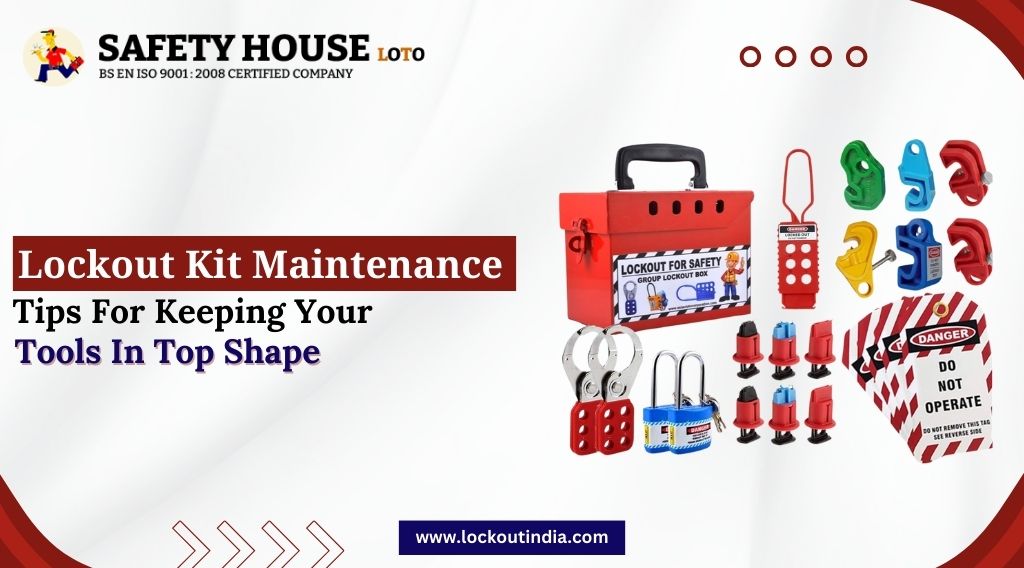
Lockout Kit Maintenance: Tips for Keeping Your Tools in Top Shape

  • Posted On: March 28, 2024

  • Categorized In:

  • Written By: vipul goel


Essential Tips for Maintaining Your Lockout Kit

Introduction:

A lockout kit serves as a cornerstone of safety protocols in industrial environments, providing essential tools for controlling hazardous energy sources during maintenance or repair tasks. However, ensuring the effectiveness of these kits requires regular maintenance and upkeep. In this article, we’ll explore the importance of lockout kit maintenance and provide valuable tips for keeping your tools in top shape, enhancing workplace safety and compliance.

Understanding Lockout Kits:

Before delving into maintenance tips, let’s first understand what comprises a lockout kit. Typically, a lockout kit contains a variety of devices and accessories designed to isolate energy sources and prevent the accidental or unauthorized startup of machinery or equipment. Common components include padlocks, lockout hasps, tags, circuit breaker lockouts, valve lockouts, and other specialized devices tailored to different types of energy sources.

The Importance of Lockout Kit Maintenance:

Lockout kit maintenance is vital for ensuring the reliability and effectiveness of safety measures in the workplace. Regular upkeep helps identify and address issues such as damaged or worn-out components, ensuring that lockout devices function as intended when needed. By maintaining lockout kits in optimal condition, businesses can minimize the risk of accidents, protect workers, and maintain compliance with regulatory standards.

Tips for Lockout Kit Maintenance:

  1. Regular Inspections: Conduct periodic inspections of lockout kits to check for signs of damage, wear, or corrosion. Inspect each component thoroughly, paying attention to padlocks, hasps, tags, and lockout devices for any defects or malfunctioning parts.
  2.   Replace Worn-Out Components: Replace any worn-out or damaged components promptly to ensure the integrity of the lockout kit. This includes replacing padlocks with broken shackles, worn-out tags, or damaged lockout devices to maintain effectiveness and reliability.
  3. Clean and Lubricate: Clean lockout devices regularly to remove dirt, debris, or contaminants that may impair their functionality. Apply lubricants to moving parts such as hinges and locking mechanisms to ensure smooth operation and longevity.
  4. Store Properly: Proper storage is essential to prevent damage and prolong the lifespan of lockout kits. Store kits in designated areas away from harsh environmental conditions, extreme temperatures, moisture, or direct sunlight.
  5. Update and Expand: Periodically review and update lockout kits to ensure they remain relevant and effective for the equipment and energy sources present in the workplace. Consider expanding kits to accommodate new machinery or equipment additions.
  6. Employee Training: Provide comprehensive training to employees on proper lockout kit maintenance procedures. Educate workers on the importance of inspecting, cleaning, and replacing components as part of their safety responsibilities.
  7. Document Maintenance Activities: Maintain detailed records of lockout kit maintenance activities, including inspection dates, component replacements, and any issues identified and addressed. Documentation helps track maintenance history and ensures accountability.
  8. Seek Professional Assistance: If unsure about maintenance procedures or encountering complex issues with lockout kits, seek assistance from qualified professionals or manufacturers for guidance and support.

Conclusion:

Lockout kit maintenance is essential for ensuring the effectiveness of safety measures in industrial environments. By following the tips outlined above, businesses can keep their lockout kits in top shape, enhancing workplace safety, minimizing the risk of accidents, and maintaining compliance with regulatory standards. Remember, proactive maintenance is key to safeguarding workers and promoting a culture of safety in the workplace.


The Ultimate Guide to Lockout Kits

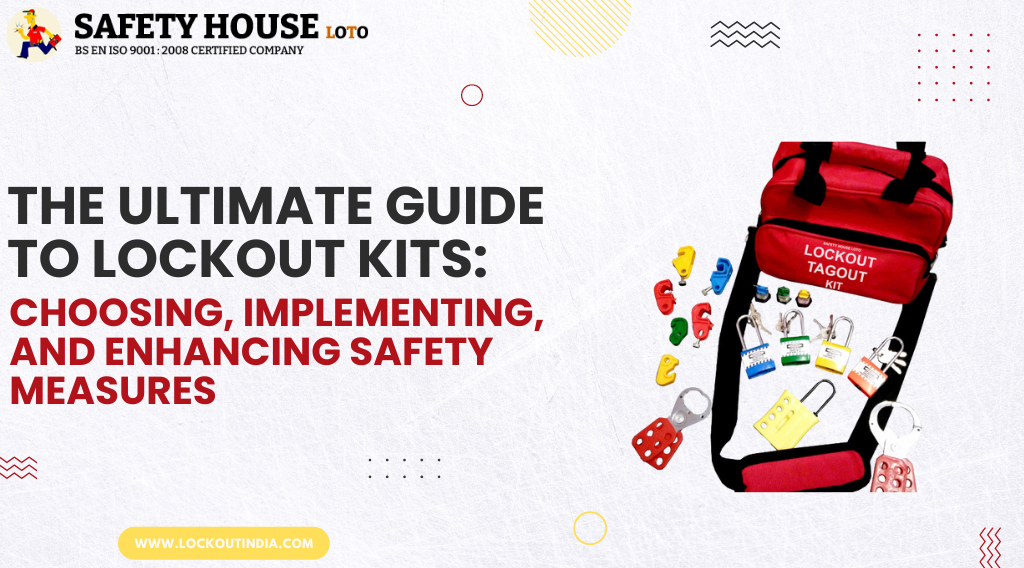
The Ultimate Guide to Lockout Kits: Choosing, Implementing, and Enhancing Safety Measures

  • Posted On: June 22, 2023

  • Categorized In:

  • Written By: vipul goel


Lockout kits, also known as LOTO kits, are an essential component of workplace safety. These kits provide workers with the necessary tools and equipment to isolate machinery or equipment from its energy source during maintenance or repair work. Failure to implement proper lockout procedures can result in serious injuries or even fatal accidents. In this ultimate guide, we’ll explore the different types of lockout kits available on the market today and discuss what you need to look for when choosing one for your business. We’ll also cover how to implement a lockout kit effectively and enhance overall safety measures in your workplace. So let’s dive in!


What Is A Lockout Kit?

A lockout kit, also known as a LOTO kit, is a collection of tools and equipment designed to help workers isolate machinery or equipment from its energy source. Lockout kits typically consist of padlocks, hasps, tags, circuit breakers, and other safety devices that prevent the accidental release of hazardous energy.

When using a lockout kit, workers are required to follow specific procedures before performing maintenance or repair work on the equipment. These procedures involve isolating the energy source and ensuring that it cannot be re-energized until work is completed.

Lockout kits can come in various sizes and configurations depending on the type of machinery or equipment being serviced. Some kits may include specialized devices such as valve lockouts or electrical disconnects for specific applications.

Implementing proper lockout/tag-out procedures with a lockout kit helps ensure worker safety by preventing accidents caused by unexpected energization during servicing activities.


The Different Types Of Lockout Kits

Lockout kits come in various forms to cater to different industries and applications. The types of lockout kits that are available include electrical, mechanical, pneumatic, hydraulic, and combination lockout kits.

Electrical lockout kits are designed to prevent the accidental or unauthorized operation of electrical equipment during maintenance or repair work.

Mechanical lockout kits contain devices such as lockout padlocks and loto hasps which can be used to secure machinery with moving parts.

Pneumatic lockout kits prevent compressed air from being released accidentally during servicing procedures on pneumatically operated machines.

Hydraulic lockout kits similarly protect against any hydraulic energy that could potentially harm workers when working on hydraulic-powered systems.

Combination lockout kits may include a mix of devices from each category depending on the specific needs of a workplace.

When choosing a type of kit, it is important to ensure that it meets all relevant safety standards for your industry and application.


Pros and Cons Of a Lockout Kit

A lockout kit is an essential tool for any workplace that uses heavy machinery or equipment. It enables workers to safely shut down and isolate the energy source of a machine, ensuring that no one can accidentally start it up again while repairs are being made.

One of the major advantages of a lockout kit is increased safety. By making sure machinery cannot be turned on during maintenance or repairs, employees are protected from potentially dangerous accidents. Another benefit is compliance with OSHA regulations; using a lockout kit demonstrates a commitment to worker safety, which can prevent costly fines and lawsuits.

However, there are some downsides to using a lockout kit. One potential issue is decreased productivity, as shutting down machinery takes time away from production. Additionally, if not used correctly or consistently by all employees, a lockout system could lead to confusion and mistakes.

The benefits of implementing a reliable lockout system far outweigh any potential drawbacks. With proper training and usage guidelines in place, businesses can ensure their workers’ safety while maintaining efficient operations.


What to Look for When Choosing a Lockout Kit?

When it comes to choosing the right lockout kit for your workplace, there are several factors that you should consider. First and foremost, you must ensure that the kit meets all relevant safety standards and regulations.

Another important consideration is the size of your facility. If you have a large facility with many different types of machinery and equipment, you may need a more comprehensive lockout kit that includes a wide range of devices and tools.

It’s also important to choose a lockout kit that is easy to use and understand. Look for kits with clear instructions and diagrams so that employees can quickly learn how to properly secure equipment during maintenance or repair work.

Durability is also crucial when selecting a lockout kit. Your chosen kit should be able to withstand frequent use in harsh industrial environments without breaking down or losing effectiveness over time.

Consider purchasing from reputable manufacturers who offer good quality customer service, warranties, and technical support. This ensures that any issues or questions will be addressed promptly if they arise in the future.


Implementing a Lockout Kit

Implementing a lockout kit is an essential step in ensuring the safety of workers who operate machinery and equipment. The process involves creating standard procedures to isolate energy sources before performing maintenance or repairs.

The first step in implementing a lockout kit is to identify all possible energy sources that could cause harm. This includes electrical, hydraulic, mechanical, pneumatic and chemical energy sources. Once identified, each energy source must be isolated using the appropriate locks and tags from the kit.

It’s crucial to train employees on how to use lockout kits correctly as part of their job responsibilities. This training should emphasize the importance of following procedures strictly for every machine they work with.

After implementing a lockout procedure, it’s essential to conduct regular audits and inspections to ensure employee and management compliance. These assessments help identify any gaps in implementation so that corrective measures can be taken before accidents occur.

Implementing a lockout kit requires careful identification of potential hazards followed by strict procedural guidelines for isolating those hazards through locking out all forms of hazardous energy sources.

This ensures worker safety when maintaining or repairing machines while also reducing risks associated with such equipment operations.


Enhancing Safety Measures with a Lockout Kit

Lockout kits are a valuable tool for ensuring the safety of employees who work in settings where hazardous energy sources are present. However, simply having a lockout kit is not enough to guarantee workplace safety. It’s crucial to implement proper procedures and protocols to ensure that the kits are being used correctly.

One way to enhance safety measures with a lockout kit is by creating written procedures outlining how and when the equipment should be used. These procedures should include information on which machines or equipment require locking out, as well as specific steps for using the lockout kit properly.

Another important step in enhancing safety measures with a lockout kit is training employees on proper usage and maintenance of the equipment. This includes teaching them about different types of energy sources, identifying potential hazards, and demonstrating how to use each component of the kit.

It’s also essential to regularly inspect all lockout devices and replace any damaged or worn-out components promptly. Keeping an inventory of your company’s current supplies can help you stay ahead of future needs so that you’re never caught without necessary items.

It’s always wise to review your LOTO program periodically; this ensures that everything continues running smoothly while addressing changing conditions or needs within individual departments. With careful planning and attention-to-detail during implementation, businesses can successfully improve their overall level of workplace safety through comprehensive LOTO programs bolstered with reliable tools such as quality Lock Out/Tag Out (LOTO) Kits.


Conclusion

Lockout kits are an indispensable tool for keeping employees safe while working on potentially dangerous machinery or equipment. By using lockout kits, employers can effectively prevent accidents caused by unexpected start-ups and releases of stored energy.

When choosing a lockout kit, it’s important to consider the specific needs of your workplace and ensure that the kit includes all necessary components. Once implemented, it’s crucial to train employees on how to properly use the kit as part of their safety training.

Enhancing safety measures with a lockout kit doesn’t have to be complicated or expensive. By following best practices and regularly reviewing your procedures, you can create a safer work environment for everyone involved.

Investing in high-quality lockout kits is essential for any organization looking to prioritize employee safety. Taking the time to choose the right kit and properly implement its usage will go a long way towards preventing accidents in your workplace.


Checkout Our Popular Products:

  1. Osha lock
  2. Lockout station
  3. Scaffold Tag
  4. MCB Lockout


Types of Circuit Breaker Lockout

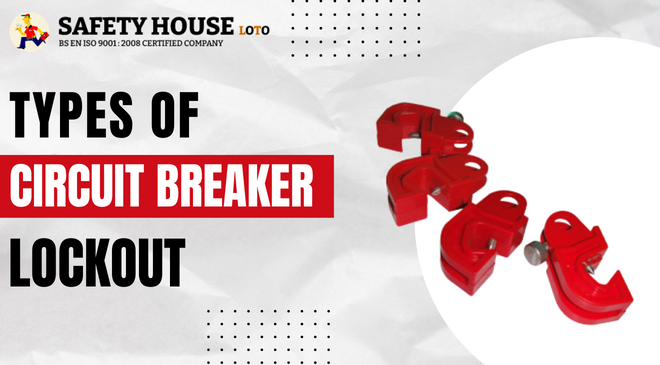
Everything You Need to Know About the Types of Circuit Breaker Lockout


You’ve probably seen Miniature Circuit Breaker Lockout (MCBs) in your home. When you turn on or off an appliance, the power of the whole floor is impacted. It is because the MCB Lockout is linked to all the circuits on the floor, and shutting off the main switch turns out the lights.

However, a circuit breaker’s primary function is to safeguard the device and humans from harmful electrical shocks and failures. Circuit breakers, in other words, are devices that prevent electrical short-circuits and sustain power flow.

Do you know anything about the circuit breaker lockout device? Do you want to discover its benefits and drawbacks? Then this article will assist you in comprehending several types of productive effects. Let’s have a look at circuit breakers.

What exactly is a circuit breaker?

Circuit breaker trips cut electricity to the load and prevent damage. Industries, buildings, commercial complexes, and hotels rely heavily on circuit breakers to convert between different modes of operation.

Why is a circuit breaker required?

Several unusual circumstances in our electrical system can harm the circuit and its components. These are referred to as ‘FAULTS.’ Furthermore, faults are classified as follows:

  • Overload
  • Earth Short Circuit

Besides, we must safeguard our system from the errors above to maintain our electrical components and system safe. It necessitates the use of a circuit breaker.

Types of Circuit Breaker Lockout

Circuit breakers are primarily classified according to voltage application:

1) Circuit Breaker with Low Voltage

  • MCCB
  • ACB
  • MCB
  • RCCB

2) Circuit Breakers for Medium Voltage

3) Circuit Breakers SF6/VACUUM

4) Circuit Breakers for High Voltage

  • VCB
  • SF6
  • OCB
  • ABCB

How do they work?

Circuit breakers are built to tolerate a transient surge in amperage over their rated capability, allowing fan motors or compressors to operate. Moreover, a Time/Amperage or “Trip” curve indicates the period they can let this inrush against the actual amperage capacity they can tolerate during that time.

Read More: Circuit Breaker Lockout Device: Advantages and Disadvantages

Furthermore, depending on the breaker’s design and function, it may take up to 15 times the expected load and trip anywhere between milliseconds and 2-3 seconds later.

Breakers are classified into three positions:

  • Closed circuit — on
  • A trip—open circuit signals a problem as well.
  • Off—short circuit

Conclusion

This overview of panelboards and several kinds of circuit breakers, their construction and operation, and fundamental electrical safety protocols is an excellent place to start if you’re new to the sector. Hence, check out Safety House blogs for a more in-depth look at these topics. In the nation, there are various lockout-Tagout service providers.

However, not all of them provide their consumers with high-quality goods. Safety House is a trustworthy business that has served its many satisfied consumers for years. Pick the best Lockout Tagout Products and Loto service provider for your company by carefully considering your requirements.

Top Selling Safety House Lockout Tagout Devices

> Key Box

> Valve Lockout

> Osha Lock

Related Post To Read: How to Ensure Worker’s Safety From Lockout Tagout Procedure? 

Related Post To Read: Lockout Tagout Advantages & Disadvantages

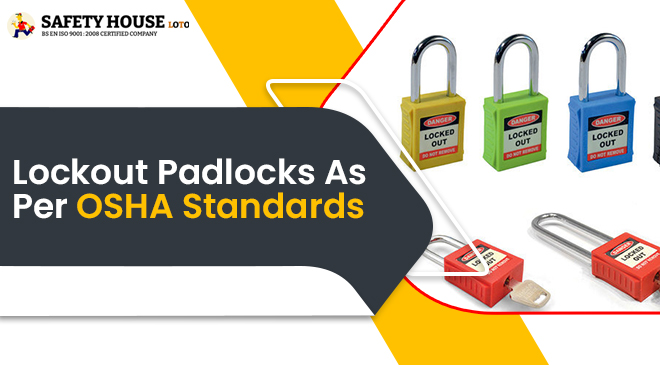
Lockout Padlocks As Per OSHA Standards

How To Find The Lockout Padlocks As Per OSHA Standards?


When it comes to the potential of one employee mistakenly restarting a piece of equipment that another employee is working on, the employee’s sole safeguard is their lockout lock. Employees must learn how to operate their locks correctly and never give out their lock or key to guarantee complete control. 

OSHA’s Lockout Tagout Regulations (1910.147)

Lockout Tagout devices must be robust, standardised, significant, and recognisable, according to OSHA Standard 29 CFR 1910.147.

  • To achieve OSHA regulations, Lockout Safety Padlocks must meet the following requirements:
  • Be able to tolerate long-term exposure to harsh weather conditions and be chemically resistant.
  • Have a consistent color, shape, or size across the institution.
  • Non-reusable, hand-attachable, self-locking, and non-releasable with a minimum unlocking strength.
  • Use the tools to identify people and other recognizable data such as padlock numbers, metal marking, logos, department designations, etc.

Read more: Elements Of OSHA’s Lockout-Tagout Standard

A lockout programme consists of three key components

  1. Written Procedures: These protocols tell lockout participants what to do and when. They also outline the procedures for shutting down, isolating, and imposing and removing lockout. Such methods are only required for machines with two or more energy sources.

You should clearly state the following points:

  • Specific machinery and their shutdown/isolation procedures
  • Location of lockout mechanisms
  • How to de-energize stored energy
  • How isolation must confirm.
  1. Training Programs: Training is required for two types of employees: authorised and affected. Authorised employees maintain and service machines and are qualified to control hazardous energies. In contrast, affected employees work near the machines/equipment being serviced or repaired under lockout and must understand the hazards.
  2. Periodic Audits: Periodic audits ensure that energy control operations are still being done correctly, that employees are following protocols, and that they know their commitments.

What You Should Look In Lockout Padlocks & Its Benefits

Lockout Padlocks prevent mishaps by preventing equipment from being mistakenly turned on. This also prevents damage to the equipment and makes the workplace safer for everyone. Moreover, lockout Osha Lock is available in a variety of colors and is very durable, making them an excellent investment for any company.

As previously noted, are an essential component of any safety program. Workers may use Lockout Padlocks to ensure that machinery or equipment is not switched on while doing maintenance and repairs.

Safety house Lockout Padlocks may also be used to protect electrical panels, valves, and other potentially dangerous items. You may assist avoid accidents and injuries by clearly identifying dangers and shutting them out.

  • Lockout padlocks are color-coded to make them easier to identify, and each Lockout Padlock may be allocated to a single employee. This guarantees that the equipment is only accessible to authorized employees. 
  • Padlocks, when utilized appropriately, may help make your workplace safer for everyone.
  • It is a low-cost and easy approach to safeguarding the safety of your employees. Among the advantages are:
  • Preventing mishaps by preventing equipment from being mistakenly turned on during maintenance.
  • Disabling damaged equipment also protects it from additional harm.
  • Lockout Padlocks are also useful for determining who has disabled the equipment since they are generally color-coded.
  • This is significant because it makes everyone’s workplace safer.

Lockout Padlocks and Lockout Kits are a simple and efficient approach to increasing workplace safety and should be utilized wherever equipment is a danger of harm.

Conclusion

If hazardous energy is not appropriately managed workers doing regular machinery or process equipment maintenance may be badly hurt. It is why safety lockout tagout padlocks are used to turn off possible energy risks and avoid such mishaps.

To purchase the best lockout products as per OSHA standards contact the Lockout Supplier Safety House Loto.  

You May Also Like: How to Ensure Worker’s Safety From Lockout Tagout Procedure?

You May Also Like: What is the Purpose of Lockout Tagout: Advantages & Disadvantages

Types of Group Lockout Box uses benefits

How Many Types of Group Lockout Box?


Loto Group Box physically locks the complete system such as the machine, equipment, and even process in the safe mode. Lockout and Tagout is the Control of Hazardous Energy which involves with isolation of energy from the system.

What is the Benefit of Group Lockout Boxes?

The Group Lockout Boxes are storage devices used to capture keys to make effective lockout of large equipment. Moreover, all the lockout is enabled with a single padlock to secure the equipment.

Lockout devices offer the best way to easily secure the machinery equipment. These have circuit breaker lockout along with the electrical plug lockout device.

The Use of Group Lockout Box keeps all the keys safely and is enabled with the safe key storage facility. All the lockout points on Loto Box are also easily accessible. 

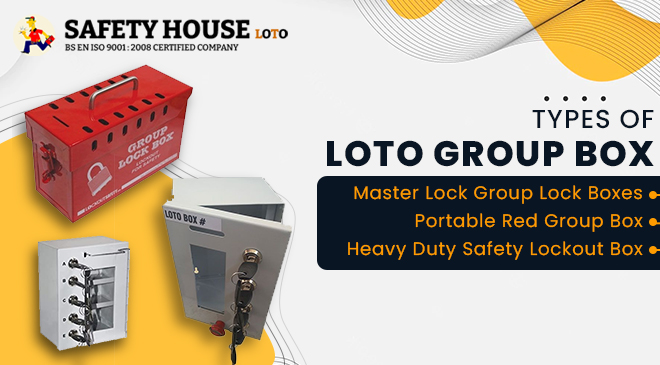
Types of Loto Group Lockout Box

These are storage devices that can be used to capture keys for effective lockout of equipment. These lockout tagout products are certified raw materials used, so they would enhance the functionality. The lockout point on equipment is secured with a single padlock.

Master Lock Group Lock Boxes S600 Series

Normally, the Master Lock Group Lock Boxes S600 Series have 430-grade stainless steel. These can easily withstand the harshest environments as they have a tough structure with superior design features.

It makes lock boxes stronger and easier to use. The Master Lock Group Lock Boxes S600 Series has a stackable design suitable for storage. It also helps with making quick transporting of multiple boxes.

Portable Red Group Lockout Box

The Master Lock Portable Red Group Lockout Boxes are suitable for capturing the keys from lockout points. It is easier to secure a lockout point even with a single piece of equipment.

Group Boxes and Loto Kits Capture keys from lockout points and easily place them in the lockbox. The Lockout Boxes are suitable for the padlock or other fixed devices.

However, it offers flexibility for the lock. This easy-to-grip is perfect for wide areas like machinery, the safety of workers, and other equipment. Read More: Advantages & Disadvantages of Lockout Tagout 

Lockout Safety Heavy Duty Lockout Box

The Lockout Safety Heavy Duty Safety Lockout Boxes provide durability as well as flexibility, ensuring better access for all parties.

Furthermore, safety Lockout Boxes are also perfect for group lockout situations. All the keys have identification tags with multiple boxes under control.

Lockout Safety Portable Red Group Box

The Group Lockout Box model ensures the machine or keys in the machine are fully secure. Moreover, it accommodates up to 7 safety locks with easy to carry around. Group Lockout Box offers the best way to lock all the parts in the machine.

You May Also Like: What is an Electrical Panel Lockout Box and Its Uses?

You May Also Like: What is the Purpose of Lockout Tagout: Advantages & Disadvantages

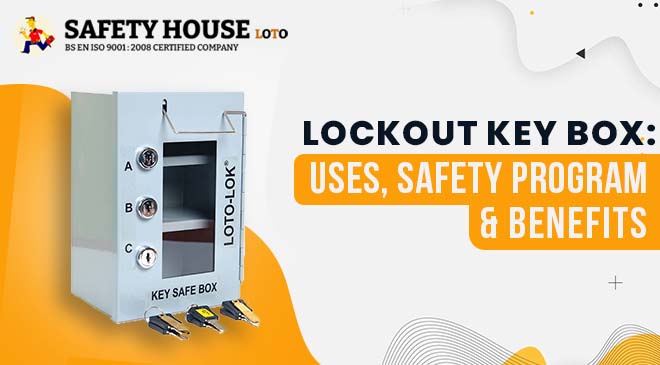
Lockout Key Box, Uses, Benefits

What are Lockout Key Box and Its Uses?


The lockout key box is the best storage device that is effectively useful to store keys for an effective lockout for huge equipment. One can protect the lockout point available on the equipment with a single padlock. 

It can ensure that other technicians or departments could never remove keys, documentation, permits, or anything else before the parties open individual locks. 

Safety Impact of lockout key box

Here workers can keep their keys in this box, and then only authorized employees have access to touch it. Employees can remove the personal padlock from the lock box when the work is completed and free the keys.

Read More: How to Ensure Worker’s Safety From Lockout Tagout Procedure?

However, the lockout key box can ensure that keys never be accessed until the final lock is removed. 

A lockout key box is the safest approach enforced by putting the suitable lockout devices into energy-isolating devices based on the established procedure.

Furthermore, it will ensure that no one can operate the controlled equipment and energy-isolating device until removing the lockout device.

Uses of lockout key box

Lockout key boxes are handy for safe key storage and the best place for holding keys. Lockout products are highly useful in protecting employees from dangerous energy sources on equipment and machines during maintenance service. 

Additionally, most industrial accidents are due to the unexpected start-up of equipment and machines or the uncontrolled release of energy. Therefore, it is better to use a high-quality lockout key box without hesitation to stop issues.

The best energy control program

Best Lockout Kit is effectively suitable for various energy control programs. An excellent energy control program contains:

  • Durable, reliable, and high-quality lockout products to cover all electrical and mechanical applications
  • A specially designed lockout solution can help implement and develop the control program effectively
  • Documented, tailored, and appropriated lockout procedures are all OSHA complaints
  • Conduct the lockout audit regularly to ensure safety in the workplace

Benefits of lockout key box

You can explore more benefits after using lockout kits. Check out below to know the benefits:

  • Protect employees from accidents and hazards
  • Shows top management concern over the employee safety
  • Protects machine, equipment, and workplace from severe damage and reduces downtime
  • Helpful in meeting the key box compliance without any issues
  • Builds trust and self-confidence in all employees

Final verdict

You have now explored the lockout key box and its uses from the scenario mentioned above. You can contact the leading experts and manufacturers if you want quality lockout key cabinets.

Moreover, safety House is the leading manufacturer and lockout supplier of lockout tagout products. The lockout key boxes are powder coated, highly durable, and have stainless steel handles. 

You May Also Like: What Are The 6 Steps Of Lockout Tagout Programs?

You May Also Like: Safety Precautions While Working Around the Lockout/Tagout Equipment

Manufacturer & Supplier Of Lockout Products

Content