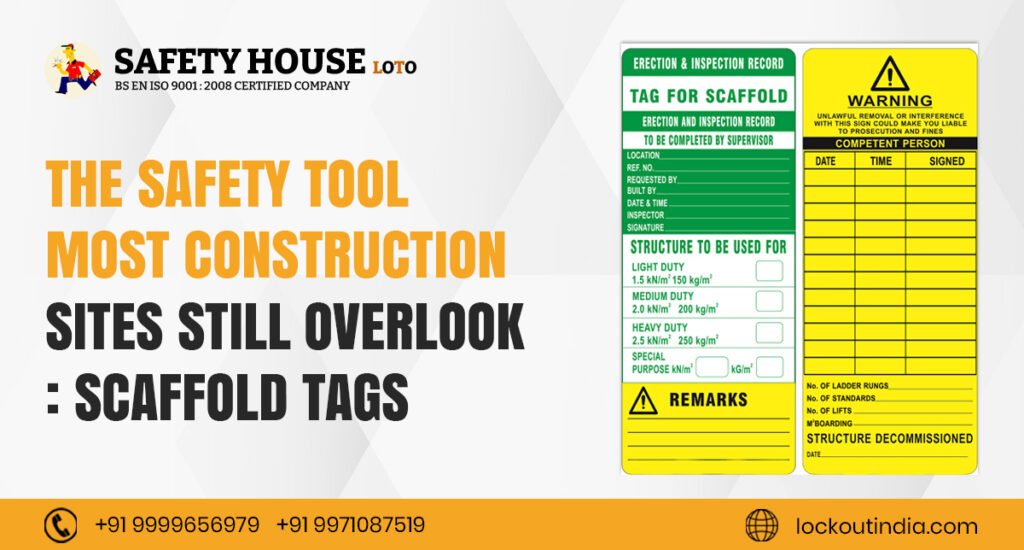
The Safety Tool Most Construction Sites Still Overlook: Scaffold Tags
Introduction
Construction sites are one of the most dangerous work environments, and workers are continually faced with various risks including working at height, heavy machinery and site changes. With safety training, scaffold tag and PPE being a major investment in safety, one of the most important items that is not always given the attention it deserves is the scaffold tag.
While a scaffold tag might appear to be a straightforward identification tag, it is actually a vital component to preventing accidents and adhering to workplace safety regulations. The use of scaffold tags helps to convey information about scaffold status and inspection information to workers, enabling them to make informed decisions before working on scaffolds. Knowing the significance can make a world of difference in the safety performance on construction sites.
Scaffold Tags Are Essential for Construction Site Safety for a Variety of Reasons
There are a number of reasons why scaffold tags are essential to construction site safety.
Scaffolding is not only used in construction projects, but in maintenance and industrial projects as well. However, if the scaffold isn’t inspected properly, or if it is unsafe, it can cause serious injury, falls or even death.
A scaffold tag is used as a visual communication system to tell workers if a scaffold is safe to use. Workers need not rely on assumptions or verbal directions when they need to know what the scaffold is doing; they can quickly look at the tag and know.
The main role of scaffold tags is to:
- Note the status of scaffolds for inspection
- Determine the safety of the scaffold for use.
- Communicate restrictions/hazards
- Increase supervision and inspection accountability
- Ensure adherence to safety rules
Scaffold tags help eliminate confusion and ensure safe access to potentially hazardous scaffolds by giving immediate visibility of the situation.
The Various Types of Scaffold Tags Are Explained Below
Explanation of different types of scaffold tags:
Scaffold tags do not all convey the same message. The vast majority of construction jobs have a colour code system that enables workers to know instantly whether it is in use or not.
Green Scaffold Tags
Green tags mean that the scaffold has been inspected and is safe to use. The workers have access to the scaffold based on site safety procedures and loads.
Yellow Scaffold Tags
Yellow tags will usually denote caution. There may be some restrictions or limitations that workers need to adhere to on the scaffold. Usually, the conditions are provided in more detail on the tag.
Red Scaffold Tags
The red tags are clearly marked indicating that the scaffold is unsafe and should not be used. These types of tags play a vital role in keeping unauthorized access off structures under construction, damaged or awaiting inspection.
This color coding system helps workers to make informed and prompt safety decisions.
Scaffold Tags Play an Important Role in Helping to Ensure Regulatory Compliance
Scaffold Tags help with the regulatory compliance.
Scaffolding needs to be inspected and maintained regularly, ensuring that construction companies take the responsibility. Documented inspections are usually required before scaffolds can be used by workers, and most regulatory bodies have a requirement for these inspections.
A scaffold tag system is designed to assist organisations to demonstrate compliance by:
- Ensuring sightings of inspection evidence
- Ensuring that the inspector responsible for approval is identified
- Recording inspection dates
- Precautionary information is provided to workers.
- Supporting audit and inspection processes.
Scaffold tags are used for workplace safety audits to clearly demonstrate compliance with inspection processes. This not only helps the organisation comply with the regulatory requirements but it also contributes to a better safety culture overall.
In addition, a proper tagging system helps to ensure that workers adhere to safety measures because the tag is always visible and easy to verify.
Construction Sites Commonly Encounter Several Errors When Using Scaffold Tags
There are some common mistakes that construction sites make when it comes to using scaffold tags.
Scaffold tags are basic tools but not used effectively in all cases. There are some common pitfalls that can diminish their effectiveness and add to the safety concerns.
Failing to Update Tags
One of the most common problems is having old tags on scaffolds following changes or repairs. Old information may be substituted for up-to-date data and create unnecessary hazards for workers.
Missing Inspections
Scaffolds should be checked periodically, particularly after harsh weather, alteration of the structure or prolonged periods of idleness. Not inspecting can lead to hazardous working conditions.
Poor Visibility
Access should be to a tagged area where workers can see the tags. The tags will not be effective if they are hidden or damaged.
Inadequate Worker Training
All workers are to be aware of the meaning of the different colors of scaffolds and respond accordingly. Employees may not pay attention to important safety information if they are not trained.
Lack of Accountability
The responsibilities for inspection should be well-defined and delegated to qualified staff. Structured tagging system to keep track of project accountability.
These are some of the things to avoid doing to make scaffold safety programs more effective.
To Ensure Successful Scaffold Tag Management, Here Are Some Best Practices to Keep in Mind
For best safety benefits, construction companies should have definite practices to ensure that scaffolds are tagged and inspected.
The following are some best practices:
- Following job specific procedures for inspection prior to each work shift, as prescribed
- Tagging of damaged or missing tags – replacement immediately
- Providing a procedure for reporting incidents and accidents
- Ensuring correct inspection records
- Appointing competent staff for inspections.
- Scanning for scaffolding hazards following changes and bad weather
Scaffold tags are kept accurate, visible and effective throughout the project by regular monitoring.
Scaffold tags, when used in conjunction with a thorough training and inspection program for safety, are a valuable tool for minimizing workplace accidents.
Conclusion
Scaffold tags are one of the most effective ways of making construction sites safer, despite their simplicity. They allow clear communication of scaffold conditions, assist with regulatory compliance and assist workers from entering potentially dangerous situations.
A robust scaffold tag system is an effective and cost-efficient solution for construction managers and safety practitioners looking to minimize risk and enhance workplace safety. A good taging system will assure that personnel will always have the information on which to base safe work activities at height.
Call To Action
Looking to improve scaffold safety on your construction site? Discover premium scaffold tag solutions that enable inspections, improve compliance and keep workers safe. To learn more about effective scaffolds safety management systems, give us a call today.
