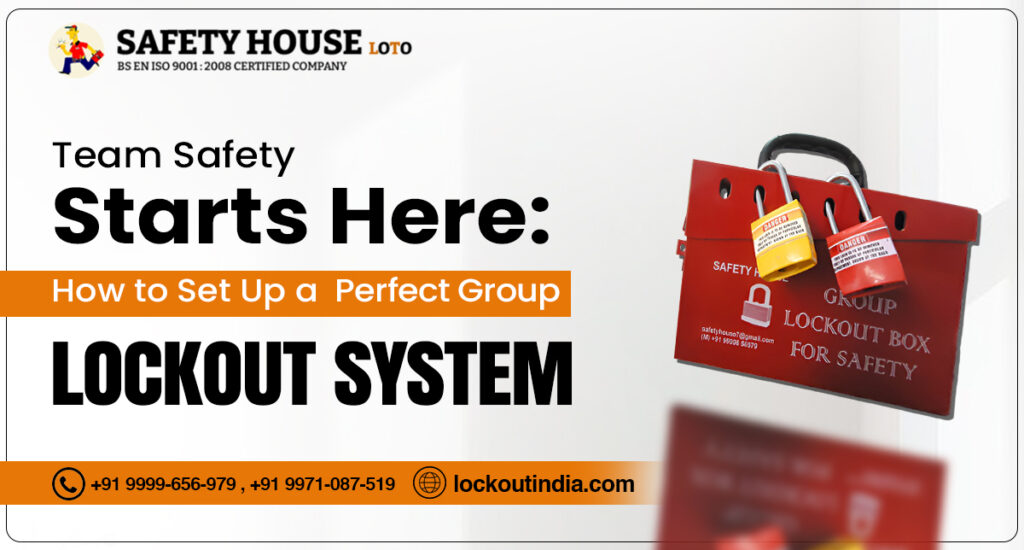
Team Safety Starts Here: How to Set Up a Perfect Group Lockout System
Workplace safety is not just about compliance—it’s about protecting lives. In environments where multiple employees work on the same machinery, energy isolation becomes more complex and more critical. This is where a well-designed Group Lockout System plays a vital role. When set up correctly, it ensures that every worker involved in maintenance or repair is fully protected from unexpected equipment start-up.
This guide explains how to set up an effective group lockout system (Group Lockout Box), why it matters, and the best practices that help teams stay safe and coordinated on the job.
Understanding the Need for a Group Lockout System
In many industrial settings, maintenance tasks are handled by teams rather than individuals. Electrical panels, mechanical drives, hydraulic systems, and pneumatic lines may all need to be isolated at once. A single lock is not enough in these situations.
A group lockout approach allows multiple workers to apply their personal locks, ensuring that machinery cannot be re-energized until everyone is clear. This shared responsibility eliminates confusion and reduces the risk of accidental restarts, making it an essential part of modern lockout/tagout procedures.
Key Components of an Effective Group Lockout Setup
Before implementing a system, it’s important to understand the core components involved.
Isolation Devices and Locks
Each energy source must be properly isolated using suitable lockout devices. These devices physically prevent switches, valves, or breakers from being operated. Every authorized employee should use their own uniquely keyed lock.
The Role of a Key Box in Group Lockout
A key box is the central element of most group lockout systems. Once isolation devices are locked, their keys are placed inside the box. Each team member then applies their personal lock to the box, preventing access to the keys.
This method ensures that no energy source can be restored until all workers have removed their locks, making it a simple yet highly effective safety control.
Step-by-Step: Setting Up a Group Lockout System
Step 1: Identify All Energy Sources
Begin by conducting a detailed assessment of the machinery or system. Identify every source of hazardous energy—electrical, mechanical, hydraulic, pneumatic, thermal, or chemical. Missing even one source can compromise the entire process.
Step 2: Shut Down and Isolate Equipment
Follow established shutdown procedures to turn off the equipment. Apply appropriate isolation devices to each energy point. At this stage, locks are applied to secure the isolation.
Step 3: Secure Keys in the Key Box
Place the keys from all applied locks into the key box. Once closed, the box becomes the single control point for the entire system. This step is crucial for maintaining accountability and coordination.
Step 4: Apply Personal Locks
Each authorized team member attaches their personal lock to the key box. This ensures that every individual has direct control over when the system can be re-energized.
Step 5: Verify Zero Energy State
Before work begins, test the equipment to confirm that all energy sources are fully isolated. Verification prevents false assumptions and reinforces safety.
Best Practices for a Perfect Group Lockout System
Clear Procedures and Documentation
Written lockout/tagout procedures should be easy to understand and readily accessible. Visual aids, such as diagrams and labels, can help workers quickly identify isolation points.
Proper Training and Authorization
Only trained and authorized personnel should participate in group lockout activities. Regular refresher training helps ensure that everyone understands their responsibilities and follows the correct steps.
Standardized Equipment
Using standardized locks, tags, and boxes across the facility reduces confusion and improves compliance. Consistency allows workers to move between tasks without relearning the system each time.
Regular Audits and Inspections
Periodic inspections help identify gaps in the process. Audits ensure that the group lockout system is being used correctly and that all equipment remains in good condition.
Common Mistakes to Avoid
One of the most frequent errors is relying on verbal communication instead of physical controls. Never assume a machine is safe because someone says it is. Another common mistake is failing to remove stored or residual energy, such as pressure in hydraulic lines or stored electrical charge.
Avoid rushing the process. Time pressure often leads to skipped steps, which can have serious consequences.
How Group Lockout Improves Team Accountability
A major advantage of a group lockout approach is shared accountability. Each person’s lock represents their presence and safety. The system naturally encourages communication and coordination among team members, creating a strong safety culture.
When everyone understands that the equipment cannot be restarted until all locks are removed, safety becomes a collective responsibility rather than an individual task.
Building a Strong Safety Culture with the Right Partner
Implementing a reliable group lockout system requires more than just equipment—it requires expertise, planning, and ongoing support. Organizations like Safety House Loto focus on providing robust lockout solutions and guidance that align with international safety standards.
With the right system in place, teams can work confidently, knowing that every precaution has been taken to protect them from hazardous energy.
Conclusion
Team safety truly starts with proper planning and the right systems. A well-implemented Group Lockout System, supported by clear procedures and a secure key box, dramatically reduces the risk of accidents during maintenance and repair work.
By investing in training, standardized equipment, and regular audits, organizations can create safer workplaces where every employee returns home unharmed. When safety is treated as a shared responsibility, productivity and trust naturally follow.
