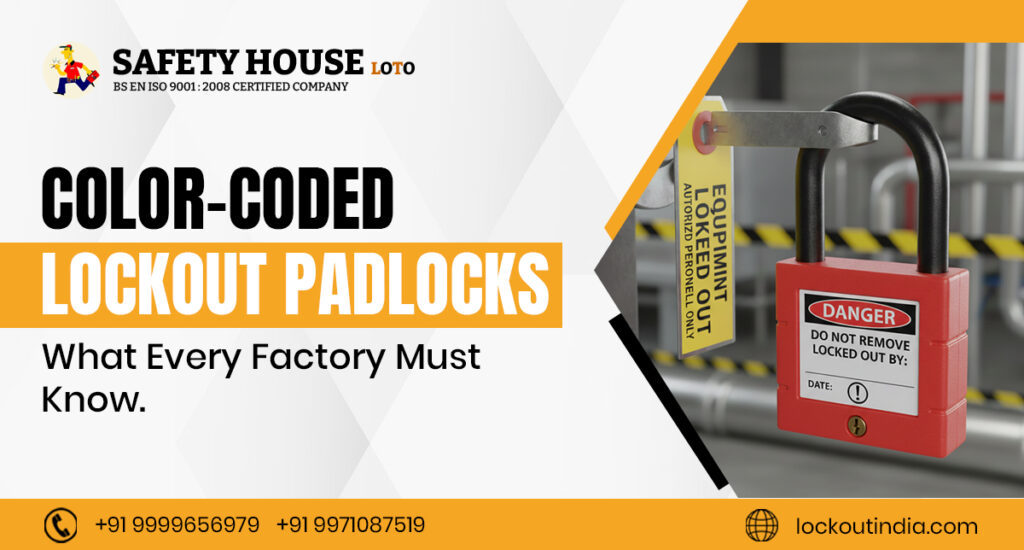
Color-Coded Lockout Padlocks: What Every Factory Must Know
Workplace safety is not just a compliance requirement—it is a responsibility that protects lives, equipment, and business continuity. In industrial environments where machinery operates with high voltage, pressure, or mechanical force, proper lockout/tagout (LOTO) procedures are critical. Among the essential tools in this process are Lockout Padlocks, especially color-coded ones that help improve identification, accountability, and safety standards.
In this blog, we will explore why color-coded systems matter, how they improve lockout efficiency, and what factories must consider while selecting the right solution. We’ll also discuss how Safety House Loto supports industries with reliable safety solutions.
Understanding Lockout/Tagout and the Role of Padlocks
Lockout/Tagout (LOTO) is a structured safety procedure used to ensure that hazardous energy sources are properly isolated during maintenance or repair work. The goal is simple: prevent unexpected startup or release of stored energy.
At the center of this process are Lockout Padlocks. These specialized safety locks are designed exclusively for LOTO applications. Unlike regular locks, they are lightweight, non-conductive (in many cases), uniquely keyed, and resistant to industrial conditions such as moisture, dust, and chemicals.
A loto padlock is not just a locking device—it is a safety assurance tool that communicates responsibility and prevents fatal mistakes.
Why Color-Coded Lockout Padlocks Matter
Color coding is not about aesthetics; it is about clarity and control. Factories often operate with multiple departments, maintenance teams, contractors, and supervisors. In such environments, confusion can lead to accidents.
Color-coded loto padlocks help in:
1. Clear Employee Identification
Each department or authorized person can be assigned a specific color. For example:
- Red – Maintenance
- Blue – Electrical team
- Yellow – Supervisors
- Green – Contractors
This ensures that everyone immediately knows who applied the loto pad lock and who must remove it.
2. Faster Lockout Management
During shutdown procedures, machines may require multiple locks. With color coding, supervisors can quickly confirm which teams are still working on equipment.
3. Improved Compliance
Regulatory bodies emphasize proper energy isolation and clear identification. Color-coded systems strengthen compliance and reduce audit risks.
4. Reduced Human Error
Visual differentiation prevents accidental removal of the wrong lock, which can be life-threatening.
Key Features to Look for in Lockout Padlocks
When selecting Lockout Padlocks, factories should focus on more than just price. Quality and compliance matter.
Durable Construction
Industrial-grade loto padlocks should withstand heat, corrosion, oil exposure, and rough handling.
Non-Conductive Body
For electrical applications, choose nylon-bodied locks to prevent electrical conduction.
Keyed Different or Keyed Alike Options
Depending on operational needs, you may choose:
- Keyed different (each worker has a unique key)
- Keyed alike (multiple locks opened by one key)
- Master key systems (supervisor control)
Engraving and Labeling
Name engraving or numbering enhances accountability.
Reliable padlock manufacturers in india now offer advanced customization options to meet industrial needs.
How Color Coding Improves LOTO Program Effectiveness
Implementing color-coded pad lock loto systems improves overall safety culture in factories.
Structured Workflow
Color-coded locks align with documented LOTO procedures. This ensures systematic energy isolation.
Contractor Management
Temporary workers can be assigned a separate color, making their involvement easy to track.
Multi-Shift Operations
In factories operating 24/7, shift-based color coding prevents confusion during handovers.
Emergency Response Clarity
During emergency audits or inspections, safety officers can quickly assess lock application status.
When implemented correctly, loto padlocks become part of an organized safety framework rather than just a locking mechanism.
Common Mistakes Factories Must Avoid
Even with good intentions, factories sometimes misuse Lockout Padlocks. Here are mistakes to avoid:
Using Regular Padlocks Instead of LOTO-Specific Locks
Ordinary locks are not designed for energy isolation and may fail under industrial stress.
Poor Documentation
Color coding works only when properly documented and communicated.
Sharing Keys
Each authorized worker must control their own loto padlock key to maintain accountability.
Ignoring Training
Employees must be trained to understand why loto pad lock procedures exist and how to follow them correctly.
Choosing the Right Supplier
The market has many padlock manufacturers in india, but selecting the right Lockout supplier ensures durability, compliance, and reliability.
Look for:
- Compliance with industrial safety standards
- Customization options
- Bulk supply capability
- After-sales support
Safety House Loto provides industrial-grade loto padlocks designed for demanding environments. Their color-coded systems are built to meet modern factory requirements and enhance workplace safety programs.
Best Practices for Implementing Color-Coded Lockout Systems
To maximize the effectiveness of Lockout Padlocks, follow these practical steps:
1. Develop a Color Policy
Assign colors based on department, role, or risk category.
2. Train Employees
Conduct regular safety training on how to apply and remove loto padlocks correctly.
3. Audit Regularly
Review lockout procedures periodically to ensure compliance.
4. Maintain Inventory Control
Keep track of issued loto pad lock units and replacement requirements.
5. Standardize Across Locations
If your company has multiple plants, ensure consistent color coding everywhere.
The Long-Term Benefits
Investing in high-quality Lockout Padlocks and a structured color-coded system delivers long-term advantages:
- Reduced workplace accidents
- Lower downtime due to safety violations
- Stronger regulatory compliance
- Improved employee confidence
- Enhanced safety culture
Factories that prioritize structured loto padlocks systems see measurable improvements in operational discipline.
Conclusion
Color-coded Lockout Padlocks are more than safety accessories—they are a foundation of effective lockout/tagout programs. Clear identification, accountability, and compliance are critical in industrial environments where a single mistake can lead to severe injury or loss.
By implementing structured color-coded loto padlock systems, factories can create a safer and more organized workplace. Choosing reliable suppliers such as Safety House Loto ensures that every pad lock loto solution meets industry standards and withstands demanding conditions.
A well-planned LOTO program, supported by high-quality loto padlocks, protects workers, safeguards machinery, and strengthens your company’s safety reputation.
Frequently Asked Questions (FAQs)
1. What are Lockout Padlocks used for?
Lockout Padlocks are used in lockout/tagout procedures to isolate hazardous energy sources during maintenance or repair work.
2. Why are color-coded loto padlocks important?
They help identify departments, improve accountability, and reduce the risk of accidental lock removal.
3. Are loto padlocks different from regular locks?
Yes. A loto pad lock is specifically designed for safety compliance, durability, and controlled key access.
4. How many keys should a loto padlock have?
Typically, each authorized employee should have one unique key to maintain accountability.
5. Can I source these from padlock manufacturers in india?
Yes, many reputed padlock manufacturers in india provide industrial-grade loto padlocks suitable for factory use.
6. How often should Lockout Padlocks be inspected?
They should be inspected regularly as part of your safety audit process to ensure proper functioning.
