
10 Best Practices for Installing and Maintaining Industrial Key Lock Boxes
In industrial environments, controlling access to keys is directly linked to safety, compliance, and operational efficiency. Whether you’re managing machinery lockout procedures, securing hazardous areas, or controlling equipment access, Key Lock Boxes play a crucial role in keeping the workplace protected. When installed and maintained correctly, they support safety protocols, reduce unauthorized access, and help teams follow lockout/tagout (LOTO) standards more effectively. Safety House Loto emphasizes that proper handling of these systems is just as important as owning them.
This blog outlines the 10 best practices for installing and maintaining industrial Key Lock Boxes to ensure long-term reliability and maximum safety.
1. Select the Right Location
Choosing an appropriate location is the foundation of effective installation. Key Lock Boxes should be installed in easily accessible yet controlled areas where authorized personnel can reach them quickly during maintenance or emergencies. Avoid corners with heavy foot traffic that may cause damage, as well as hidden spaces that slow down response time.
A well-planned placement ensures that employees can follow lockout procedures efficiently without confusion.
2. Prioritize Durable Construction
Industrial environments demand robust solutions. When selecting a key lock box, consider weather resistance, corrosion-proof materials, and tamper-resistant designs. Steel or reinforced metal bodies offer higher security and longevity. Impact-resistant boxes also prevent damage from forklifts, tools, or accidental hits.
Investing in durability reduces replacement costs and ensures consistent performance.
3. Ensure Secure Mounting
Improper mounting is one of the most common mistakes in industrial setups. A loosely fitted box can be easily removed or damaged, defeating the purpose of using Key Lock Boxes.
Use heavy-duty anchors and bolts suitable for the mounting surface—whether it is concrete, steel, or a specialized panel. Verify stability by performing periodic physical checks to ensure the installation remains secure over time.
4. Use Clear and Consistent Labeling
Clear labeling helps minimize confusion and human error. Each Key box should include identification tags or labels indicating the equipment or zone it corresponds to. In large facilities, standardized labeling helps technicians quickly locate the correct keys during maintenance.
Labeling also supports compliance by documenting key control procedures and helping inspectors follow safety trails.
5. Train Employees Properly
Even the most secure Key Lock Boxes fail in purpose if employees do not know how to use them correctly. Training should include:
- Access rules
- Lockout/tagout procedures
- Key return processes
- Reporting lost or damaged keys
Regular refresher sessions help maintain consistency, especially in workplaces with high employee turnover.
6. Implement Access Control Policies
Not everyone in a facility should have access to every key lock box. Creating restricted access rules enhances security and accountability. Use logs, sign-in sheets, or digital tracking systems to monitor key usage.
Assigning responsible personnel ensures that keys are returned and stored properly after use, reducing operational risks.
7. Conduct Routine Inspections
Routine inspections are essential to maintaining effective Key Lock Boxes. Inspect for:
- Rust or corrosion
- Loose mounts
- Broken hinges or locks
- Missing labeling
- Forced entry signs
Early identification of issues prevents security breaches and allows timely repairs.
Documenting inspection schedules also supports audit compliance.
8. Clean and Maintain Components
Industrial settings expose equipment to dust, chemicals, and moisture, all of which can impact the functionality of a Key Lock Boxes system. Establish a regular cleaning routine using non-corrosive cleaners and lubricants suitable for metal hardware.
Clean hinges and locking mechanisms to prevent jamming or premature wear.
A well-maintained key lock box improves reliability and extends operational life.
9. Have Backup Plans for Emergencies
Even with excellent maintenance, unexpected situations can occur. Facilities should develop backup access procedures for:
- Lost keys
- Damaged locks
- Power shutdowns affecting electronic systems
Emergency plans should not compromise security. Instead, they must allow safe, authorized access when needed. Keeping a sealed spare Key box under controlled supervision helps manage this effectively.
10. Document and Audit Usage
Documentation is a crucial part of industrial safety. Track who accessed keys, when they were taken, and when they were returned. Periodic audits help identify misuse, missing keys, or workflow inefficiencies.
Auditing also assists in improving safety compliance and preparing for regulatory inspections.
Proper documentation builds accountability, supporting overall workplace safety initiatives.
Conclusion
Installing and maintaining Key Lock Boxes is not only about securing keys—it is about protecting workers, machinery, and operational continuity. When these boxes are correctly installed, clearly labeled, regularly inspected, and used under defined access policies, they become powerful safety tools.
By following the 10 best practices above, industrial facilities can strengthen their lockout systems, support compliance, and ensure safer work environments. With solutions and guidance inspired by Safety House Loto, organizations can implement key control systems that truly enhance workplace safety.

How Key Lock Boxes Improve Security Across Industries
From Hospitals to Hotels: How Key Lock Boxes Improve Safety and Access Control
In a world where workplaces are becoming more complex and security standards more demanding, the need for reliable access control tools has never been greater. Among these tools, key lock boxes have become an essential part of safety and asset protection across multiple industries. Whether it’s a hospital managing emergency room access, a hospitality business securing housekeeping keys, or a manufacturing plant protecting operational controls, these compact yet powerful devices offer a level of security that traditional key management systems simply cannot match.
Businesses today require smarter ways to safeguard their keys—not only to prevent unauthorized access, but to improve accountability, streamline operations, and support compliance requirements. This is where high-quality solutions from companies like Safety House Loto step in, helping enterprises maintain structured and secure environments effortlessly.
Why Key Management Matters More Than Ever
Before exploring industry applications, it’s important to understand why key control has become so critical. Keys give access to expensive equipment, sensitive information, restricted rooms, and even critical operations. A single lost or mismanaged key can cause:
- Operational delays
- Safety hazards
- Security breaches
- Additional maintenance or rekeying costs
A key box holder, when used correctly, ensures that keys are stored in one secure place, accessible only to authorized personnel. This removes guesswork and enhances accountability within teams of all sizes.
How Key Lock Boxes Enhance Security Across Industries
1. Hospitals and Healthcare Facilities
Healthcare environments operate 24/7 and rely on strict access control. From medicine storage rooms to diagnostic labs, keys are constantly in use.
- Emergency access: Medical staff must access restricted areas quickly without compromising security.
- Accountability: A key holder box helps track who accessed which key and when.
- Reduced risk: Prevents unauthorized entry into drug rooms, electrical panels, or hazardous areas.
Hospitals also face strict compliance requirements. A secure Key Lock Boxes ensures sensitive areas remain protected while supporting audit trails and safety protocols.
2. Hotels, Resorts, and Hospitality Businesses
Hotels manage an enormous number of keys—guest rooms, maintenance bays, storerooms, laundry setups, and more.
A well-organized key box system helps:
- Centralize key distribution
- Prevent unauthorized entry into guest areas
- Manage staff shifts without confusion
- Avoid key misplacement during peak seasons
Housekeeping teams, catering staff, and maintenance professionals rely on smooth access to complete their duties. When keys are stored securely, operational efficiency improves significantly. For hospitality brands that prioritize guest safety, adopting strong key management solutions becomes a strategic necessity.
3. Manufacturing Plants and Industrial Facilities
Industrial facilities operate high-risk machinery and store dangerous chemicals. Access must be controlled at all times.
Key lock boxes are widely used for:
- Controlling access to machinery panels
- Securing lockout/tagout devices
- Protecting ignition keys for forklifts and equipment
- Managing gate and warehouse entry points
Safety House Loto’s focus on workplace safety makes key management an integral part of hazard prevention. When combined with lockout/tagout procedures, key control reduces the chances of accidental startups, electrical faults, or unauthorized machine use.
4. Commercial Buildings and Corporate Offices
Businesses handle confidential information, expensive electronics, and restricted rooms such as server spaces and data centers.
A secure Key Lock Boxes helps organizations:
- Protect asset rooms and IT cabinets
- Provide controlled access for facility management
- Improve monitoring of shared spaces
- Reduce risks associated with lost master keys
This level of organization also helps during audits, maintenance inspections, and emergency situations.
5. Government Agencies and Public-Sector Institutions
Public institutions—from police stations to municipal offices—handle high-value and sensitive areas that require controlled access.
Using a dedicated Key Lock Boxes ensures:
- Only authorized officials access critical areas
- Proper logs are maintained
- Keys are never left exposed or misplaced
For facilities with rotating staff or multiple departments, key control offers a structured and transparent system that improves trust and accountability.
Key Features That Make Lock Boxes a Smart Choice
Regardless of the industry, the best key lock boxes share some essential characteristics:
Durability and Tamper Resistance
A strong body, secure locking mechanism, and corrosion-resistant materials ensure long-term reliability—even in harsh environments.
Multiple Storage Options
Depending on usage, businesses can choose compact key boxes, wall-mounted units, portable models, or large-capacity key cabinets.
Clear Organization
Numbered hooks, color-coded tags, and labeling systems help staff locate and return keys without confusion.
Flexible Access Control
Combination codes, padlocks, digital locks, or integration with lockout/tagout devices allow businesses to choose the security level they need.
Why Every Modern Workplace Should Implement Key Control
A structured key management system offers more than just security. It provides a framework for managing access efficiently, improving workflow, and reducing risks. Benefits include:
- Faster operations
- Reduced downtime
- Better employee accountability
- Protection of confidential areas
- Fewer misplaced keys
- Compliance with safety standards
Whether a business runs on tight shift schedules or handles sensitive operations, organized key storage plays a major role in ensuring seamless daily operations.
Conclusion: Building Safer Workplaces With Smart Key Management
From hospitals to hotels, and from factories to corporate offices, key security remains a cornerstone of operational safety. As industries grow more complex and demand for structured access control rises, key lock boxes and related solutions offer a practical, reliable, and scalable way to protect workplaces.
For organizations looking to enhance safety standards and implement dependable key management systems, Safety House Loto provides high-quality solutions designed to support modern operational needs. With thoughtful design, durability, and a focus on workplace safety, their key storage systems help businesses maintain secure, efficient, and compliant environments across every industry.
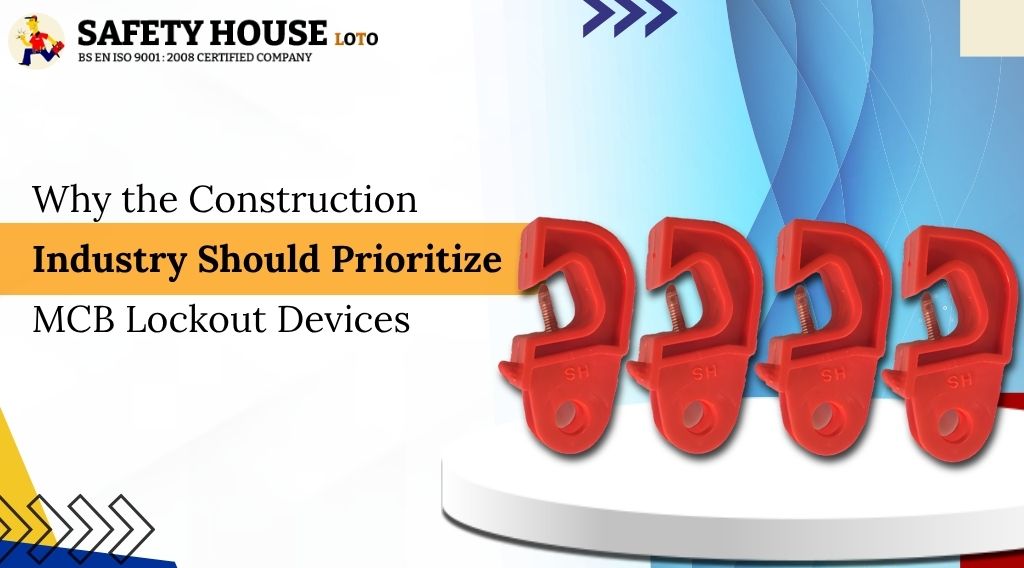
Why the Construction Industry Should Prioritize MCB Lockout Devices
MCB Lockout Devices: A Critical Safety Tool for Modern Construction Sites
Electrical safety is one of the most critical challenges in the construction industry. With multiple teams working simultaneously, heavy machinery running across the site, and temporary electrical setups being installed and removed regularly, the risk of accidental energization is extremely high. This is where MCB Lockout devices play a vital role in strengthening workplace safety and ensuring compliance with global safety standards.
In industries where even a small electrical mistake can put lives at risk, implementing the right Lockout Tagout Products is not optional—it is a responsibility. Among these safety tools, MCB lockouts are often underestimated, yet they offer one of the most effective ways to prevent electrical accidents on construction sites.
Understanding the Importance of MCB Lockout Devices
An MCB (Miniature Circuit Breaker) is designed to protect electrical circuits from overloads and short circuits. But in a busy construction environment, simply switching off an MCB is not enough. Workers may accidentally re-energize a circuit, or someone may turn it on without knowing maintenance is in progress.
MCB Lockout Devices Add a Critical Layer of Protection
These devices physically block the MCB from being turned on. Once locked, the breaker cannot be operated until authorized personnel remove the lockout. This ensures:
- Zero accidental switch-on
- Safe maintenance and repairs
- Compliance with LOTO safety protocols
- Controlled access to energy sources
This level of mechanical control significantly reduces the chances of electrical injuries, which remain one of the leading causes of construction-site accidents.
Why the Construction Industry Needs MCB Lockout Devices More Than Ever
1. Increasing Electrical Work on Modern Sites
Modern construction processes involve extensive use of electrical machinery, power tools, temporary wiring, and portable distribution boards. With so many power sources active at the same time, it becomes crucial to isolate circuits during repair, installation, or inspection.
MCB lockouts ensure these circuits remain off until the work is verified and completed.
2. Preventing Human Errors and Miscommunication
Construction sites often have multiple teams—electricians, welders, fitters, painters, and contractors—working simultaneously. Miscommunication is a common challenge.
Without a proper lockout device:
- Someone may unknowingly energize a circuit being worked on.
- Multiple workers may assume a circuit is safe when it’s not.
- Maintenance may start without ensuring energy isolation.
Using MCB lockouts minimizes dependency on verbal communication or handwritten notices and replaces them with a secure, physical lockout mechanism.
3. Compliance With Global Safety Standards
International regulations such as OSHA, ISO 45001, and NFPA require proper lockout-tagout procedures for controlling hazardous energy. Construction companies aiming for global safety compliance must integrate LOTO systems into daily site operations.
MCB lockouts are a fundamental part of a compliant LOTO setup and help create a transparent, accountable safety environment.
4. Protecting Workers From Electrocution and Arc Flash Risks
One accidental energization can lead to:
- Severe electric shocks
- Burns
- Arc flash explosions
- Fatalities
Construction workers frequently handle metal tools, work in wet environments, and operate near energized equipment—all of which increase the risk. An MCB lockout ensures that no electrical line becomes live unexpectedly, drastically reducing these hazards.
5. Controlling Temporary Electrical Installations
Temporary electrical wiring is the backbone of most construction sites. But it’s also one of the most fragile and accident-prone systems. Temporary circuits often have:
- Exposed wires
- Quick installations
- Frequent load changes
- High vibration and dust exposure
MCB lockout devices help secure these temporary circuits during expansion, shifting, or repair, preventing accidental electrical flow.
How MCB Lockout Devices Improve Overall Site Efficiency
Many believe lockout devices slow down work, but in reality, they streamline operations by making tasks more organized and safer.
Better Maintenance Planning
When a circuit is locked out and tagged, everyone on the site knows:
- Who is working on the system
- What type of maintenance is ongoing
- When the system will be restored
This improves coordination between teams and reduces downtime.
Reduced Risk = Reduced Costs
Electrical accidents lead to:
- Medical emergencies
- Compensation claims
- Equipment damage
- Project delays
Investing in MCB lockouts is a small cost that prevents major losses.
Types of MCB Lockout Devices Commonly Used in Construction
Construction sites require a mix of lockout devices depending on the type of breaker. Common options include:
1. Pin-In MCB Lockouts
Designed for breakers with internal gripping points.
2. Pin-Out MCB Lockouts
Used for breakers with external gripping mechanisms.
3. Universal MCB Lockout
Compatible with a wide range of breaker designs.
4. Clamp-On Type Lockouts
Ideal for larger MCBs with stronger locking requirements.
Selecting the right type ensures maximum grip and reliable isolation.
Conclusion
Prioritizing electrical safety is non-negotiable in the construction industry. MCB Lockout devices offer a simple but powerful way to control hazardous energy, prevent accidents, and maintain industry-standard safety practices. When paired with high-quality Lockout Tagout Products, they create a safer, more controlled workspace for everyone on site.
For companies looking to enhance their electrical safety protocols, investing in reliable lockout solutions from trusted brands like Safety House Loto is a smart step toward building a secure and compliant construction environment.
Frequently Asked Questions (FAQs)
1. What is an MCB Lockout device used for?
An MCB lockout device is used to physically prevent a miniature circuit breaker from being switched on during maintenance or repair work.
2. Why are MCB lockouts important for construction sites?
They prevent accidental energization, ensuring worker safety and compliance with LOTO safety procedures.
3. Are MCB lockout devices mandatory?
Many international safety standards require proper lockout-tagout practices, which include MCB lockouts for electrical isolation.
4. Can one lockout device fit all types of breakers?
Not always. While universal lockouts exist, selecting a device based on breaker type ensures maximum safety.
5. How do MCB lockouts help reduce accidents?
They stop unauthorized or accidental switch-on of electrical circuits, preventing electric shocks, burns, and arc flash incidents.
