All posts by blog

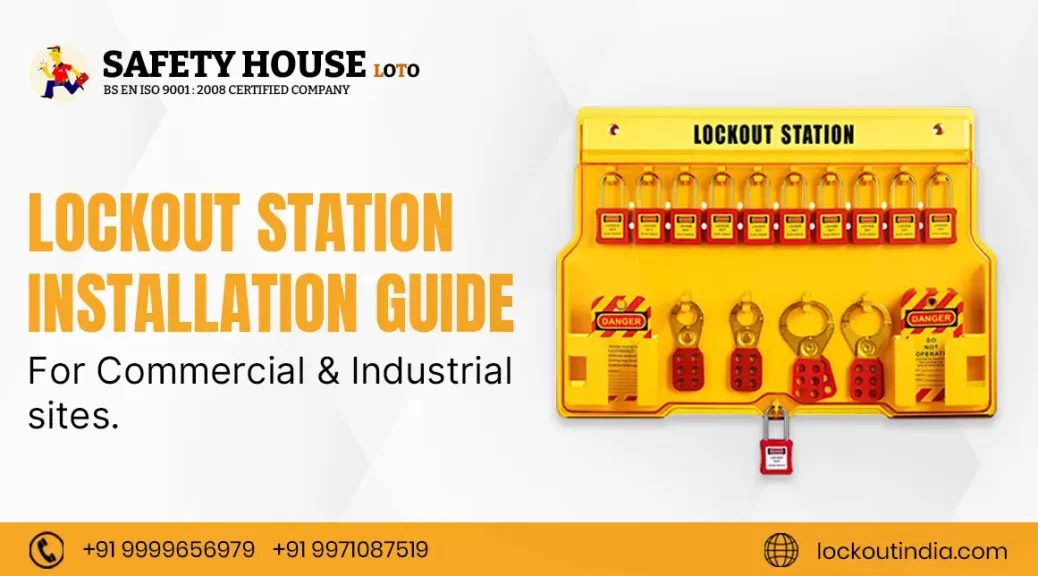
Lockout Station Installation Guide for Commercial & Industrial Sites

Workplace safety is not just a requirement—it’s a responsibility. In industrial and commercial environments, one of the most effective safety systems is a properly installed lockout station. It ensures that machinery is safely shut down during maintenance and prevents accidental startups.

Brands like Safety House LOTO—a trusted manufacturer of lockout products—help businesses implement reliable safety systems using high-quality equipment and structured processes.

What is a Lockout Station?

A lockout station is a centralized point where all essential Lockout Tagout products are stored and organized. It allows workers to quickly access safety tools when performing maintenance or repair work.

Typically, a lockout station includes:

These tools are essential for isolating energy sources and ensuring complete workplace safety.

Why Lockout Stations Are Important

Installing a lockout station is critical for preventing workplace accidents. Without proper lockout systems, employees are exposed to serious risks.

Key Benefits:

  • Prevents accidental machine startup
  • Ensures compliance with safety standards
  • Improves workplace organization
  • Reduces downtime caused by accidents
  • Promotes a safety-first culture

Many lockout tagout manufacturers in India emphasize the importance of structured safety systems for industrial environments.

Types of Lockout Tagout Products Used

Before installing a lockout station, it’s important to understand the tools involved.

1. Lockout Padlocks

These are used to lock energy sources and ensure only authorized personnel can access them.

2. Lockout Hasp

Allows multiple workers to lock a single energy source simultaneously.

3. MCB Lockout

Used to secure circuit breakers and prevent electrical hazards.

4. Valve Lockout

Designed to lock valves in a safe position during maintenance.

5. Group Lockout Box

Used when multiple technicians are working on the same equipment.

6. Scaffold Tag

Indicates whether equipment or scaffolding is safe to use.

A reliable lockout supplier like Safety House LOTO provides all these essential safety lockout products in one place.

Step-by-Step Lockout Station Installation Guide

Installing a lockout station properly ensures maximum efficiency and safety.

Step 1: Identify High-Risk Areas

Start by identifying machines and equipment that require regular maintenance. These areas are ideal locations for a lockout station.

Step 2: Choose the Right Location

Install the lockout station in a visible and easily accessible area. It should be close to machinery but not obstruct operations.

Step 3: Select the Right Lockout Products

Choose appropriate lockout products based on your equipment type:

  • Electrical systems → MCB Lockout
  • Valves → Valve lockout
  • Multiple workers → Group Lockout Box

Step 4: Organize the Station Properly

Ensure all tools are neatly arranged:

  • Label each section
  • Keep frequently used items at eye level
  • Store Lockout Kit and LOTO KIT for quick access

Step 5: Train Your Team

Even the best lockout station is useless without proper training. Employees must understand:

  • What is a lockout kit
  • How to use each tool
  • Safety procedures

Step 6: Regular Inspection and Maintenance

Inspect your lockout station regularly to ensure:

  • Tools are in good condition
  • Missing items are replaced
  • Safety standards are maintained

Advantages and Disadvantages of Lockouts

Understanding the advantages and disadvantages of lockouts helps in better implementation.

Advantages:

  • Prevents serious workplace injuries
  • Ensures compliance with OSHA standards
  • Improves operational safety
  • Reduces liability risks

Disadvantages:

  • Requires proper training
  • Initial setup cost
  • Time needed for implementation

However, the benefits of a lockout station far outweigh the disadvantages.

Why Choose Safety House LOTO?

When selecting a lockout supplier, quality and reliability matter the most. Safety House LOTO is known as a trusted manufacturer of lockout products offering durable and certified solutions.

Key Reasons:

  • Wide range of Lockout Tagout products
  • High-quality osha lock standards
  • Reliable key box and storage solutions
  • Complete safety kits and accessories
  • Trusted among lockout tagout manufacturers in India

Choosing the right supplier ensures long-term safety and compliance.

Best Practices for Lockout Station Setup

To maximize the effectiveness of your lockout station, follow these best practices:

  • Place stations near high-risk equipment
  • Use clear labels and instructions
  • Maintain proper inventory of tools
  • Conduct regular safety audits
  • Use standardized lockout products

A well-managed lockout station improves both safety and efficiency.

How Lockout Stations Improve Workplace Safety

A properly installed lockout station creates a structured safety system. It ensures that every worker follows a standard process before working on machinery.

This not only prevents accidents but also builds a culture where safety becomes a priority rather than an afterthought.

FAQs About Lockout Stations

1. What is a lockout station?

A lockout station is a centralized storage unit for Lockout Tagout products used to ensure machinery safety during maintenance.

2. What is included in a lockout kit?

A lockout kit typically includes padlocks, hasps, tags, and other tools required to isolate energy sources.

3. Why are lockout stations important in industries?

They help prevent accidental machine startups and ensure worker safety during maintenance.

4. Who should use lockout stations?

All industrial workers, maintenance staff, and technicians working with machinery should use lockout stations.

5. Where can I find quality lockout products in India?

You can choose trusted suppliers like Safety House LOTO, known for providing reliable safety solutions.

Final Thoughts

A properly installed lockout station is a crucial part of any industrial safety system. It not only prevents accidents but also ensures compliance with safety regulations.

By choosing high-quality Lockout Tagout products from trusted suppliers like Safety House LOTO and following proper installation practices, businesses can create a safer and more efficient work environment.

Investing in the right safety systems today can prevent major risks tomorrow.
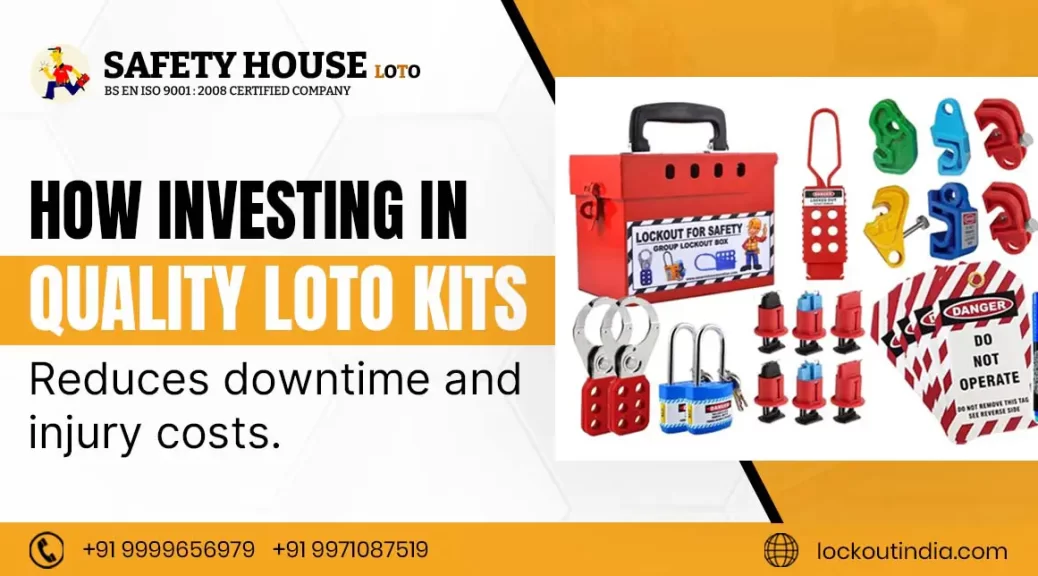
How Investing in Quality LOTO Kits Reduces Downtime and Injury Costs

Workplace safety is one of the most critical priorities for industries that operate with heavy machinery, electrical systems, and complex production lines. Accidents caused by unexpected machine start-ups or the release of stored energy can lead to serious injuries, equipment damage, and costly downtime. This is where LOTO kits play an essential role.

Lockout Tagout systems are designed to ensure that machines and equipment are properly shut off and cannot be restarted during maintenance or repair work. By investing in reliable safety equipment from a trusted Safety House Loto, organizations can significantly reduce operational risks while protecting both employees and business productivity.

In this blog, we will explore how high-quality lockout tagout systems help minimize downtime and reduce injury-related costs in industrial workplaces.


Understanding the Role of Lockout Tagout in Workplace Safety


Lockout Tagout (LOTO) is a safety procedure used to control hazardous energy during maintenance and servicing activities. It involves isolating machines from energy sources and placing locks and warning tags so that equipment cannot be restarted until the maintenance work is complete.

Industries such as manufacturing, construction, power generation, and warehousing rely heavily on loto kits to implement these procedures effectively. These kits contain essential tools like locks, tags, padlocks, hasps, and energy isolation devices that help maintenance teams secure machines safely.

Without a proper LOTO system in place, workers are at risk of electrical shocks, mechanical injuries, or accidental machine activation.

The True Cost of Workplace Accidents

Many companies underestimate the financial impact of workplace accidents. Beyond the immediate medical expenses, accidents often lead to several indirect costs such as:

  • Production downtime
  • Equipment damage
  • Legal liabilities
  • Worker compensation claims
  • Loss of workforce productivity
  • Reputation damage

When machinery is not properly locked during maintenance, the chances of unexpected equipment startup increase significantly. This is why investing in professional-grade loto kits is not just a safety decision but also a smart financial strategy.

Preventing accidents can save organizations significant operational costs in the long run.


How Quality LOTO Kits Reduce Operational Downtime


Downtime is one of the biggest concerns in industrial operations. When accidents occur, machines may remain shut down for hours or even days while investigations and repairs take place.

Using well-designed loto kits ensures that maintenance tasks are carried out in a structured and safe manner. This helps teams work efficiently without worrying about accidental machine activation.

High-quality kits help reduce downtime in several ways:

1. Faster Maintenance Procedures

When technicians have access to a well-organized loto kit box, they can quickly identify the required locks, tags, and isolation devices. This reduces the time spent searching for safety equipment and speeds up maintenance activities.

A properly arranged kit ensures that workers follow safety procedures without delaying operations.

2. Preventing Equipment Damage

Unexpected machine startup during maintenance can damage expensive equipment. By using loto kits, technicians ensure machines remain completely isolated from power sources.

This prevents mechanical failures and reduces the time required for repairs.

3. Streamlined Safety Processes

Organizations that implement structured lockout procedures often experience smoother maintenance workflows. Teams understand the safety protocol, which reduces confusion and prevents mistakes during servicing tasks.


Reducing Workplace Injuries Through Proper LOTO Implementation


Employee safety should always be a top priority. Injuries caused by uncontrolled energy sources can be severe and sometimes even fatal.

Quality loto kits provide multiple layers of protection that help workers stay safe while servicing machines.

Protection from Electrical Hazards

Electrical equipment requires specialized lockout devices. A reliable loto kit electrical includes circuit breaker lockouts, voltage isolators, and insulated locks that protect workers from electrical shock.

These devices ensure that electrical systems remain completely disconnected while maintenance work is in progress.

Clear Communication with Tags

Safety tags play a crucial role in lockout procedures. Tags attached to machines clearly indicate that equipment is under maintenance and should not be operated.

In addition to lockout tags, workplaces often use safety indicators like scaffolding tag systems to communicate equipment status and ensure compliance with safety protocols.

Clear communication reduces the chances of accidental machine operation.

Ensuring Accountability

Each worker uses a personal lock during the lockout procedure. This means the equipment cannot be restarted until every worker has removed their lock. This system ensures accountability and prevents premature machine activation.


Choosing the Right LOTO Kits for Your Workplace


Not all lockout systems are the same. The effectiveness of lockout procedures depends largely on the quality of the equipment used.

When selecting loto kits, companies should consider several factors:

Industry-Specific Requirements

Different industries have different safety needs. Manufacturing plants, electrical facilities, and construction sites require specific lockout devices depending on their machinery.

Durable and High-Quality Materials

Industrial environments can be harsh, with exposure to dust, chemicals, and extreme temperatures. High-quality kits made from durable materials ensure long-term reliability.

Organized Storage

A well-structured loto kit box helps keep all lockout devices organized and easily accessible. This ensures workers can quickly locate the required equipment during maintenance procedures.

Cost vs Value

Many businesses focus only on the loto kit price, but it is important to consider the overall value rather than just the initial cost. Investing in a reliable kit prevents accidents and reduces expensive downtime, making it a cost-effective safety solution.


Building a Strong Safety Culture


Implementing lockout procedures is not just about buying equipment—it is about creating a culture of safety in the workplace.

Companies that partner with trusted safety suppliers like Safety House LOTO ensure that their employees have access to high-quality safety equipment and proper training.

Training programs help workers understand the importance of lockout procedures and how to use safety devices correctly. When employees follow consistent safety practices, the risk of accidents decreases significantly.

A strong safety culture improves worker confidence, increases productivity, and strengthens overall workplace morale.


Why Investing in LOTO Kits Is a Smart Safety Decision


Industrial workplaces face numerous hazards related to machinery and electrical systems. Without proper safety procedures, maintenance activities can become dangerous and costly.

Investing in reliable loto kits is one of the most effective ways to reduce workplace injuries and minimize operational downtime. These kits help ensure machines remain securely locked during maintenance, preventing accidental startups and equipment damage.

In addition to protecting workers, structured lockout systems improve maintenance efficiency and help companies avoid costly accidents. By choosing high-quality solutions from trusted providers like Safety House LOTO, organizations can build safer workplaces while maintaining smooth industrial operations.

Ultimately, workplace safety is not just a regulatory requirement—it is a smart investment that protects both people and productivity.

Frequently Asked Questions – FAQs

1. What are LOTO kits used for?

LOTO kits are used to safely isolate machines from energy sources during maintenance or repair work. They prevent accidental equipment startup and protect workers from hazardous energy.

2. What items are included in a loto kit box?

A loto kit box typically includes padlocks, safety tags, lockout hasps, circuit breaker lockouts, cable lockouts, and other energy isolation devices required for safe lockout procedures.

3. What is the importance of loto kit electrical devices?

Electrical lockout devices help isolate electrical energy sources such as circuit breakers and switches. They ensure that electrical systems remain de-energized while maintenance work is being performed.

4. How does a scaffolding tag improve workplace safety?

A scaffolding tag is used to indicate whether scaffolding structures are safe for use, under inspection, or unsafe. It helps workers quickly understand the safety status of scaffolding equipment.

5. How should companies evaluate loto kit price before purchasing?

Companies should consider product quality, durability, and compliance with safety standards rather than focusing only on the loto kit price. High-quality kits offer better safety and long-term cost savings.

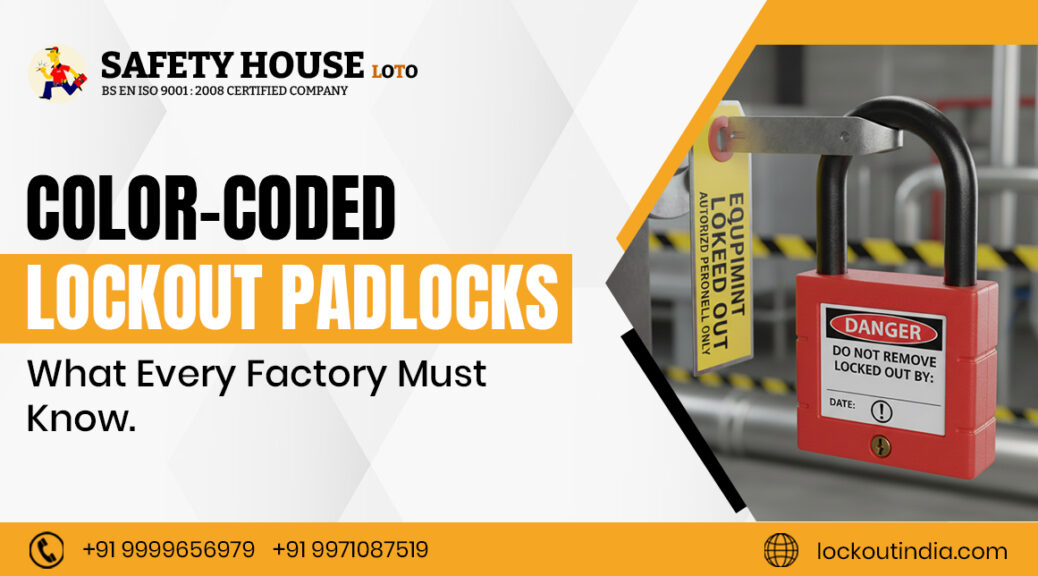
Color-Coded Lockout Padlocks: What Every Factory Must Know

Workplace safety is not just a compliance requirement—it is a responsibility that protects lives, equipment, and business continuity. In industrial environments where machinery operates with high voltage, pressure, or mechanical force, proper lockout/tagout (LOTO) procedures are critical. Among the essential tools in this process are Lockout Padlocks, especially color-coded ones that help improve identification, accountability, and safety standards.

In this blog, we will explore why color-coded systems matter, how they improve lockout efficiency, and what factories must consider while selecting the right solution. We’ll also discuss how Safety House Loto supports industries with reliable safety solutions.


Understanding Lockout/Tagout and the Role of Padlocks

Lockout/Tagout (LOTO) is a structured safety procedure used to ensure that hazardous energy sources are properly isolated during maintenance or repair work. The goal is simple: prevent unexpected startup or release of stored energy.

At the center of this process are Lockout Padlocks. These specialized safety locks are designed exclusively for LOTO applications. Unlike regular locks, they are lightweight, non-conductive (in many cases), uniquely keyed, and resistant to industrial conditions such as moisture, dust, and chemicals.

A loto padlock is not just a locking device—it is a safety assurance tool that communicates responsibility and prevents fatal mistakes.


Why Color-Coded Lockout Padlocks Matter

Color coding is not about aesthetics; it is about clarity and control. Factories often operate with multiple departments, maintenance teams, contractors, and supervisors. In such environments, confusion can lead to accidents.

Color-coded loto padlocks help in:

1. Clear Employee Identification

Each department or authorized person can be assigned a specific color. For example:

  • Red – Maintenance

  • Blue – Electrical team

  • Yellow – Supervisors

  • Green – Contractors

This ensures that everyone immediately knows who applied the loto pad lock and who must remove it.

2. Faster Lockout Management

During shutdown procedures, machines may require multiple locks. With color coding, supervisors can quickly confirm which teams are still working on equipment.

3. Improved Compliance

Regulatory bodies emphasize proper energy isolation and clear identification. Color-coded systems strengthen compliance and reduce audit risks.

4. Reduced Human Error

Visual differentiation prevents accidental removal of the wrong lock, which can be life-threatening.


Key Features to Look for in Lockout Padlocks

When selecting Lockout Padlocks, factories should focus on more than just price. Quality and compliance matter.

Durable Construction

Industrial-grade loto padlocks should withstand heat, corrosion, oil exposure, and rough handling.

Non-Conductive Body

For electrical applications, choose nylon-bodied locks to prevent electrical conduction.

Keyed Different or Keyed Alike Options

Depending on operational needs, you may choose:

  • Keyed different (each worker has a unique key)

  • Keyed alike (multiple locks opened by one key)

  • Master key systems (supervisor control)

Engraving and Labeling

Name engraving or numbering enhances accountability.

Reliable padlock manufacturers in india now offer advanced customization options to meet industrial needs.


How Color Coding Improves LOTO Program Effectiveness

Implementing color-coded pad lock loto systems improves overall safety culture in factories.

Structured Workflow

Color-coded locks align with documented LOTO procedures. This ensures systematic energy isolation.

Contractor Management

Temporary workers can be assigned a separate color, making their involvement easy to track.

Multi-Shift Operations

In factories operating 24/7, shift-based color coding prevents confusion during handovers.

Emergency Response Clarity

During emergency audits or inspections, safety officers can quickly assess lock application status.

When implemented correctly, loto padlocks become part of an organized safety framework rather than just a locking mechanism.


Common Mistakes Factories Must Avoid

Even with good intentions, factories sometimes misuse Lockout Padlocks. Here are mistakes to avoid:

Using Regular Padlocks Instead of LOTO-Specific Locks

Ordinary locks are not designed for energy isolation and may fail under industrial stress.

Poor Documentation

Color coding works only when properly documented and communicated.

Sharing Keys

Each authorized worker must control their own loto padlock key to maintain accountability.

Ignoring Training

Employees must be trained to understand why loto pad lock procedures exist and how to follow them correctly.


Choosing the Right Supplier

The market has many padlock manufacturers in india, but selecting the right Lockout supplier ensures durability, compliance, and reliability.

Look for:

  • Compliance with industrial safety standards

  • Customization options

  • Bulk supply capability

  • After-sales support

Safety House Loto provides industrial-grade loto padlocks designed for demanding environments. Their color-coded systems are built to meet modern factory requirements and enhance workplace safety programs.


Best Practices for Implementing Color-Coded Lockout Systems

To maximize the effectiveness of Lockout Padlocks, follow these practical steps:

1. Develop a Color Policy

Assign colors based on department, role, or risk category.

2. Train Employees

Conduct regular safety training on how to apply and remove loto padlocks correctly.

3. Audit Regularly

Review lockout procedures periodically to ensure compliance.

4. Maintain Inventory Control

Keep track of issued loto pad lock units and replacement requirements.

5. Standardize Across Locations

If your company has multiple plants, ensure consistent color coding everywhere.


The Long-Term Benefits

Investing in high-quality Lockout Padlocks and a structured color-coded system delivers long-term advantages:

  • Reduced workplace accidents

  • Lower downtime due to safety violations

  • Stronger regulatory compliance

  • Improved employee confidence

  • Enhanced safety culture

Factories that prioritize structured loto padlocks systems see measurable improvements in operational discipline.


Conclusion

Color-coded Lockout Padlocks are more than safety accessories—they are a foundation of effective lockout/tagout programs. Clear identification, accountability, and compliance are critical in industrial environments where a single mistake can lead to severe injury or loss.

By implementing structured color-coded loto padlock systems, factories can create a safer and more organized workplace. Choosing reliable suppliers such as Safety House Loto ensures that every pad lock loto solution meets industry standards and withstands demanding conditions.

A well-planned LOTO program, supported by high-quality loto padlocks, protects workers, safeguards machinery, and strengthens your company’s safety reputation.


Frequently Asked Questions (FAQs)

1. What are Lockout Padlocks used for?

Lockout Padlocks are used in lockout/tagout procedures to isolate hazardous energy sources during maintenance or repair work.

2. Why are color-coded loto padlocks important?

They help identify departments, improve accountability, and reduce the risk of accidental lock removal.

3. Are loto padlocks different from regular locks?

Yes. A loto pad lock is specifically designed for safety compliance, durability, and controlled key access.

4. How many keys should a loto padlock have?

Typically, each authorized employee should have one unique key to maintain accountability.

5. Can I source these from padlock manufacturers in india?

Yes, many reputed padlock manufacturers in india provide industrial-grade loto padlocks suitable for factory use.

6. How often should Lockout Padlocks be inspected?

They should be inspected regularly as part of your safety audit process to ensure proper functioning.


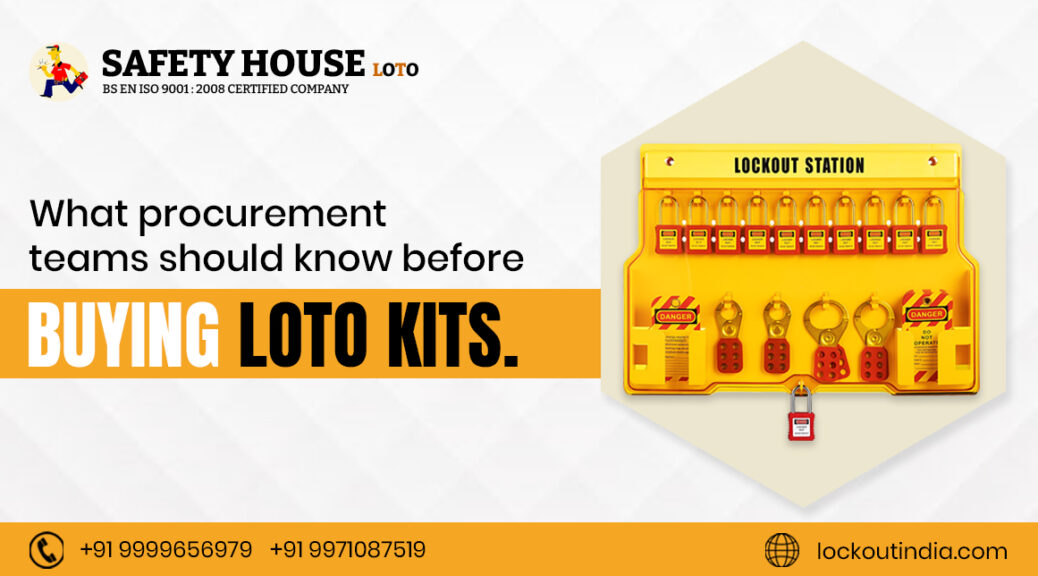
What Procurement Teams Should Know Before Buying LOTO Kits

In industrial environments, safety purchases are never just about price—they’re about reliability, compliance, and real-world usability. For procurement teams, purchasing LOTO Kits (Lockout Tagout Kits) is a critical responsibility, as these kits directly impact worker safety, regulatory compliance, and operational continuity.

Before finalizing a purchase, procurement professionals must understand what truly defines an effective lock out tag out kit, beyond just product catalogs and quotations. At Safety House Loto, we help organizations make informed decisions by aligning safety solutions with operational needs.


Understanding the Purpose of LOTO Kits

LOTO Kits are designed to prevent the accidental startup of machinery during maintenance, repair, or inspection activities. They isolate hazardous energy sources using physical locking devices and clear identification tags.

A standard lockout tagout kit typically includes multiple locking devices, tags, and accessories that ensure machinery remains safely de-energized. For procurement teams, the goal is to select kits that are versatile, durable, and compliant with safety standards—while fitting the facility’s specific applications.


Identifying the Right Type of LOTO Kit for Your Facility

Not all facilities require the same kind of LOTO solution. Understanding operational risks is the first step toward selecting the right loto kit set.

Electrical vs Mechanical Applications

Facilities with high electrical exposure should prioritize a loto kit electrical, which includes insulated devices designed for circuit breakers, switchgear, and electrical panels. Mechanical-heavy environments may need valve lockouts, cable lockouts, or plug lock devices.

Department-Wise Usage

Some organizations require centralized kits, while others need department-specific or portable kits. In such cases, choosing a well-organized loto kit box ensures quick access and accountability during maintenance work.


Key Components Procurement Teams Should Evaluate

A reliable loto lock is the backbone of any lockout system. Procurement teams should carefully evaluate the following components before approving a purchase:

  • Padlocks: Must be durable, uniquely keyed, and corrosion-resistant

  • Tags: Clearly visible, weather-resistant, and compliant with safety labeling norms

  • Locking Devices: Suitable for breakers, valves, plugs, and switches

  • Storage Box: Sturdy, portable, and clearly labeled

An effective loto kit set balances completeness with ease of use, ensuring safety procedures don’t become time-consuming or confusing.


Compliance, Standards, and Documentation

Procurement decisions must align with local and international safety regulations. A certified lockout tagout kit supports compliance with OSHA, ISO, or equivalent safety standards.

Beyond the physical kit, procurement teams should verify:

  • Product certification and test reports

  • Clear user instructions and labeling

  • Compatibility with internal safety procedures

At Safety House Loto, our kits are designed to meet industry standards while remaining practical for everyday use.


Durability and Long-Term Value

Safety equipment is an investment, not a one-time expense. While loto kit price is often a deciding factor, focusing only on upfront cost can be misleading.

Low-quality locks and tags may wear out quickly, leading to frequent replacements and higher long-term costs. High-quality LOTO Kits reduce replacement frequency, minimize downtime, and enhance workforce confidence.

Procurement teams should assess:

  • Material quality

  • Resistance to chemicals, heat, and moisture

  • Ease of maintenance and replacement


Customization and Scalability

As facilities grow, safety systems must scale with them. Modular loto kit box options allow organizations to expand lockout coverage without replacing entire systems.

Customized kits—tailored to specific equipment or departments—improve usability and adoption. Procurement teams should consider suppliers who offer flexibility rather than fixed, generic kits.


Evaluating LOTO Kit Pricing Strategically

Understanding loto kit price requires looking beyond the quote. Procurement teams should compare:

  • Number of devices included

  • Type and quality of locks

  • Suitability for electrical or mechanical systems

  • After-sales support and replacement availability

A competitively priced loto kit electrical that lacks essential devices may end up costing more in operational inefficiencies.


Supplier Reliability and Support

Choosing the right supplier is as important as choosing the right kit. A trusted supplier ensures consistent quality, documentation support, and availability of spare components.

Safety House Loto focuses on long-term partnerships, offering expert guidance to help procurement teams select the most effective lockout tagout kit for their specific applications.


Conclusion

For procurement teams, buying LOTO Kits is a safety-critical decision that goes far beyond cost comparison. The right lock out tag out kit improves compliance, protects workers, and supports uninterrupted operations.

By evaluating application needs, component quality, scalability, and supplier reliability, procurement professionals can ensure their investment delivers real safety value. With expertly designed solutions and industry insight, Safety House Loto remains a trusted partner in workplace safety.


FAQs

1. What is included in a standard LOTO kit?

A typical kit includes padlocks, tags, breaker lockouts, valve lockouts, cable devices, and a storage box. The exact contents vary by application.

2. How do I choose between a general LOTO kit and a loto kit electrical?

If your facility handles frequent electrical maintenance, a loto kit electrical is recommended due to its insulated and circuit-specific components.

3. Is loto kit price the most important factor?

No. While price matters, durability, compliance, and suitability for your equipment are more important for long-term safety and cost control.

4. Can LOTO kits be customized?

Yes. Many suppliers, including Safety House Loto, offer customized loto kit sets based on equipment type and department needs.

5. How often should LOTO kits be replaced?

Replacement depends on usage and environment. High-quality kits last longer, but periodic inspection is essential to ensure continued safety.

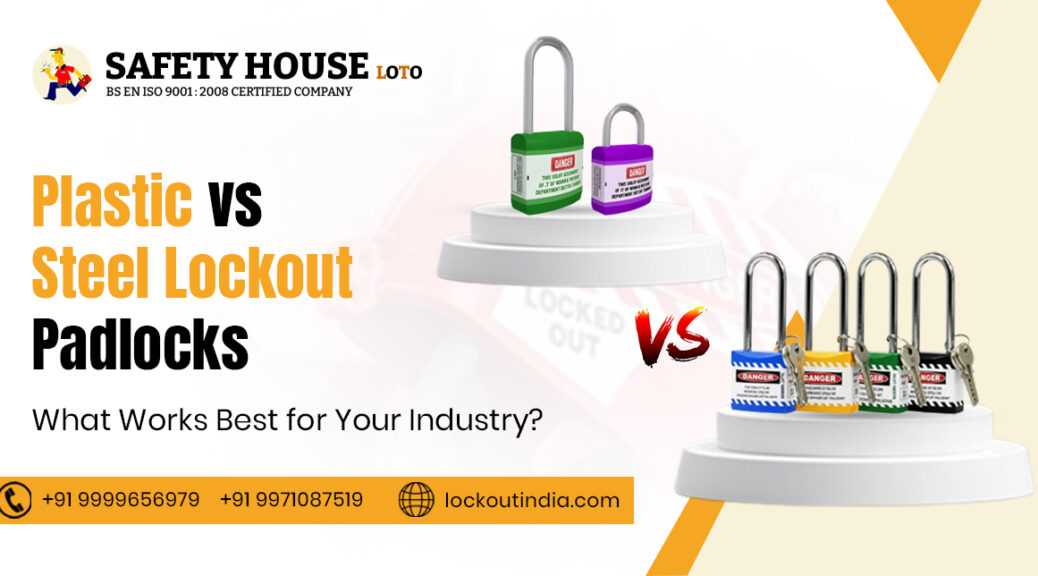
Plastic vs. Steel Lockout Padlocks: What Works Best for Your Industry?

In industrial environments where safety is non-negotiable, lockout/tagout (LOTO) procedures play a vital role in protecting workers from unexpected equipment startup or energy release. At the heart of every effective LOTO program are lockout padlocks—small yet critical devices that physically prevent machinery from being re-energized during maintenance or repair.

However, not all lockout padlocks are the same. One of the most common questions safety managers and plant engineers face is:
Should we use plastic or steel lockout padlocks?

Each option has its own strengths, limitations, and ideal use cases. This article explores the differences between plastic and steel safety lockout padlocks, helping you choose the right solution based on your industry, environment, and safety requirements.


Understanding Lockout Padlocks in LOTO Systems

Lockout padlocks are specifically designed for safety applications—not general security. Unlike standard padlocks, they are:

  • Used exclusively for lockout/tagout procedures 
  • Assigned to individual workers 
  • Marked clearly with warnings such as “Do Not Operate” 
  • Built to withstand industrial conditions 

Their primary function is to ensure that only the authorized person who applied the lock can remove it, eliminating the risk of accidental startup.


What Are Plastic Lockout Padlocks?

Plastic lockout padlocks are typically made from non-conductive thermoplastic or nylon bodies, combined with insulated shackle options. They are lightweight, corrosion-resistant, and highly visible.

Key Features of Plastic Lockout Padlocks

  • Non-conductive construction 
  • Lightweight and easy to carry 
  • Resistant to chemicals and moisture 
  • Available in multiple bright colors 
  • Ideal for electrical safety applications 

These padlocks are commonly used where electrical hazards are present and where visual identification is important.


What Are Steel Lockout Padlocks?

Steel lockout padlocks feature metal bodies and hardened steel shackles, offering enhanced physical strength and durability. They are designed for tough industrial environments where mechanical abuse or extreme conditions are common.

Key Features of Steel Lockout Padlocks

  • High resistance to impact and tampering 
  • Excellent durability in harsh environments 
  • Suitable for outdoor and heavy-duty use 
  • Strong shackle strength for mechanical lockout points 

Steel safety lockout padlocks are preferred where maximum physical security is required.


Plastic vs. Steel Lockout Padlocks: A Detailed Comparison

1. Electrical Safety and Conductivity

Plastic lockout padlocks are non-conductive, making them the safer option for electrical panels, switchgear, and circuit breakers. They significantly reduce the risk of electrical shock.

Steel lockout padlocks, on the other hand, conduct electricity and should be used cautiously in electrical environments. They are better suited for mechanical energy isolation.

Best choice for electrical applications: Plastic padlocks


2. Durability and Strength

Steel lockout padlocks offer superior mechanical strength. They can withstand heavy impacts, rough handling, and outdoor exposure, making them ideal for industries like mining, steel plants, and construction.

Plastic padlocks are durable but may not handle extreme physical abuse as well as steel.

Best choice for heavy-duty environments: Steel padlocks


3. Environmental Resistance

Plastic safety lockout padlocks perform exceptionally well in wet, humid, or chemical-prone environments. They resist corrosion, rust, and chemical degradation.

Steel padlocks, unless specially coated, may be vulnerable to rust in corrosive or coastal environments.

Best choice for corrosive or wet conditions: Plastic padlocks


4. Weight and Worker Convenience

Plastic padlocks are lightweight, which is important when workers need to carry multiple locks during group lockout procedures. Reduced weight improves comfort and compliance.

Steel lockout padlocks are heavier and may cause fatigue when used extensively.

Best choice for frequent use and portability: Plastic padlocks


5. Visual Identification and Compliance

Most plastic lockout padlocks are available in bright colors such as red, yellow, blue, and green. Color-coding helps distinguish departments, energy sources, or personnel, improving compliance with LOTO procedures.

Steel padlocks typically offer fewer color options and rely more on tags for identification.

Best choice for color-coded lockout systems: Plastic padlocks


Industry-Based Recommendations

Manufacturing & Electrical Maintenance

Industries dealing with electrical panels, control cabinets, and energized equipment benefit most from plastic lockout padlocks due to their non-conductive properties and visibility.

Chemical & Pharmaceutical Plants

With frequent exposure to moisture, chemicals, and washdowns, plastic safety lockout padlocks offer better longevity and corrosion resistance.

Heavy Engineering & Metal Processing

Steel lockout padlocks are better suited for environments with mechanical stress, vibration, and outdoor exposure, such as forging units, cement plants, and mining operations.

Oil & Gas and Power Plants

A combination of both plastic and steel lockout padlocks is often ideal—plastic for electrical isolation and steel for mechanical energy sources like valves and pipelines.


Choosing the Right Lockout Padlocks for Your Facility

When selecting between plastic and steel lockout padlocks, consider the following factors:

  • Type of energy source (electrical, mechanical, hydraulic, pneumatic) 
  • Environmental conditions (moisture, chemicals, outdoor use) 
  • Frequency of lockout procedures 
  • Requirement for color coding and identification 
  • Compliance with OSHA or local safety standards 

In many facilities, a mixed approach delivers the best results—using different padlock types based on application rather than relying on a single solution.


Final Thoughts

Both plastic and steel lockout padlocks play an essential role in building a robust and compliant lockout/tagout program. The “best” option depends not on preference, but on application, environment, and risk level.

By understanding the strengths and limitations of each type, safety professionals can make informed decisions that enhance worker protection, improve compliance, and reduce downtime.

At Safety House Loto, we believe that selecting the right safety lockout padlocks is a crucial step toward creating safer industrial workplaces—where procedures are followed, risks are minimized, and people return home safely every day.

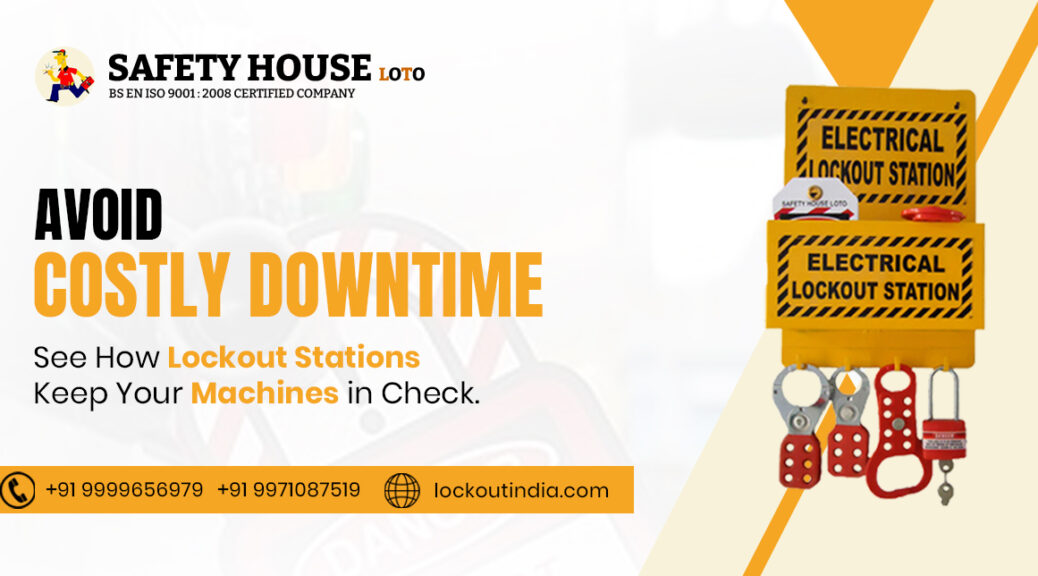
Avoid Costly Downtime – See How Lockout Stations Keep Your Machines in Check

Unplanned machine downtime is one of the biggest challenges faced by industrial facilities today. Beyond lost productivity, it often brings safety risks, repair expenses, and compliance issues. Many of these problems arise during maintenance or repair work when machines are not properly isolated from energy sources. This is where Lockout Stations play a critical role.

In this detailed guide, we’ll explore how Lockout Station help prevent costly downtime, improve workplace safety, and create a structured approach to energy control. Written in the context of Safety House Loto, this blog aims to give end users practical, real-world insights rather than generic advice.


Understanding the Real Cost of Downtime

Downtime is not just about machines standing still. It has a ripple effect across the entire operation.

  • Production delays lead to missed deadlines

  • Unexpected repairs increase maintenance budgets

  • Worker injuries result in compensation claims and legal risk

  • Non-compliance with safety regulations can attract penalties

Many of these issues stem from improper lockout–tagout practices. When maintenance teams cannot quickly access the right lockout devices, shortcuts happen—and shortcuts are costly.


What Are Lockout Stations?

Lockout Stations are centralized storage units designed to hold all essential lockout–tagout devices in one clearly visible, accessible location. They act as the command center for any lockout activity on the shop floor.

A well-organized station typically includes:

  • Lockout Padlocks in multiple colors

  • Hasps, tags, and circuit breaker lockouts

  • Valve lockouts and cable devices

  • A complete LOTO KIT for different applications

By keeping everything in one place, Lockout Stations eliminate confusion, save time, and ensure that safety procedures are followed consistently.


Why Lockout Stations Are Critical for Machine Safety

1. Faster Response During Maintenance

When a machine needs servicing, time matters. Searching for individual lockout devices wastes valuable minutes. With Lockout Stations, technicians immediately know where to find the correct LOTO KIT, reducing maintenance time without compromising safety.

2. Eliminating Human Error

Improper lockout is often caused by missing or mismatched devices. Centralized Lockout Stations reduce this risk by standardizing the lockout process and ensuring that approved Lockout Padlocks and accessories are always available.

3. Supporting Compliance and Audits

Safety audits demand proof of effective lockout–tagout systems. Clearly labeled Lockout Stations demonstrate a company’s commitment to safety and make compliance checks smoother.


How Lockout Stations Help Prevent Costly Downtime

Clear Visibility = Better Discipline

When Lockout Stations are installed near machines or maintenance zones, they act as constant visual reminders of safety protocols. Workers are less likely to bypass procedures when the tools are clearly in front of them.

Standardized Procedures Across Teams

Different shifts and departments often follow slightly different practices. Lockout Stations help standardize lockout routines, ensuring that everyone uses the same Lockout Padlocks, tags, and devices—every time.

Reduced Equipment Damage

Machines that are accidentally energized during maintenance can suffer severe damage. Using the correct LOTO KIT from a well-equipped Lockout Station protects not just workers, but the machines themselves.


Key Components of an Effective Lockout Station

Lockout Padlocks

These are the backbone of any lockout system. Unlike regular padlocks, Lockout Padlocks are designed for safety use:

  • Non-conductive and corrosion-resistant

  • Available in multiple colors for identification

  • Unique keying options for accountability

LOTO KIT

A complete LOTO KIT includes devices for electrical, mechanical, hydraulic, and pneumatic energy sources. Having a full kit inside the Lockout Station ensures that no energy source is overlooked.

Tags and Hasps

Tags communicate critical information such as who locked the equipment and why. Hasps allow multiple workers to lock out the same machine safely during group maintenance.


Choosing the Right Lockout Station for Your Facility

Not all facilities have the same needs. Selecting the right Lockout Station depends on several factors:

  • Size of the operation – Larger plants may need multiple stations

  • Type of machinery – Determines the kind of lockout devices required

  • Number of workers – Impacts the quantity of Lockout Padlocks needed

At Safety House Loto, Lockout Station are designed to be modular and scalable, making them suitable for small workshops as well as large industrial plants.


Best Practices for Using Lockout Stations Effectively

Train Your Team

Even the best Lockout Stations are ineffective without proper training. Workers must understand:

  • When to use lockout–tagout

  • How to select the correct LOTO KIT

  • Why Lockout Padlocks should never be shared

Assign Responsibility

Designate safety officers or supervisors to inspect Lockout Stations regularly. Missing or damaged devices should be replaced immediately.

Place Stations Strategically

Lockout Stations should be installed near high-risk machines or maintenance zones—not hidden away in storage rooms.


Why Safety House Loto Is a Trusted Name

Safety House Loto specializes in providing high-quality Lockout Stations and lockout–tagout solutions designed for real industrial challenges. What sets us apart is our focus on usability, durability, and compliance.

  • Robust Lockout Station built for industrial environments

  • Premium Lockout Padlocks with reliable key systems

  • Comprehensive LOTO KIT options for diverse applications

  • Expert guidance to help you build a strong safety culture

By choosing Safety House Loto, organizations invest not just in products, but in long-term operational safety.


Lockout Stations: A Smart Investment, Not an Expense

Many companies view safety equipment as a cost. In reality, Lockout Stations are an investment that pays for itself by:

  • Reducing unplanned downtime

  • Preventing accidents and injuries

  • Extending machine life

  • Improving workforce confidence

When machines are properly locked out using standardized systems, maintenance becomes predictable and controlled—exactly what modern industries need.


Conclusion

Avoiding costly downtime starts with taking control of machine safety. Lockout Stations provide structure, visibility, and consistency to lockout–tagout practices, ensuring that machines remain secure during maintenance and repair.

With the right combination of Lockout Stations, Lockout Padlocks, and a complete LOTO KIT, industries can significantly reduce risks while improving efficiency. Safety House Loto remains committed to helping businesses protect their people, their machines, and their productivity—because safety done right is downtime avoided.

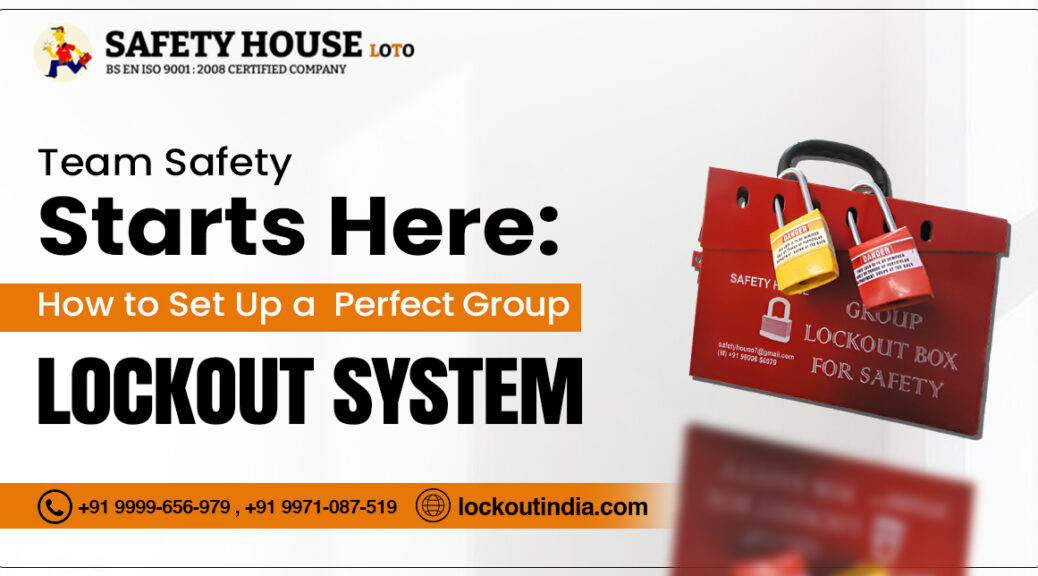
Team Safety Starts Here: How to Set Up a Perfect Group Lockout System

Workplace safety is not just about compliance—it’s about protecting lives. In environments where multiple employees work on the same machinery, energy isolation becomes more complex and more critical. This is where a well-designed Group Lockout System plays a vital role. When set up correctly, it ensures that every worker involved in maintenance or repair is fully protected from unexpected equipment start-up.

This guide explains how to set up an effective group lockout system (Group Lockout Box), why it matters, and the best practices that help teams stay safe and coordinated on the job.


Understanding the Need for a Group Lockout System

In many industrial settings, maintenance tasks are handled by teams rather than individuals. Electrical panels, mechanical drives, hydraulic systems, and pneumatic lines may all need to be isolated at once. A single lock is not enough in these situations.

A group lockout approach allows multiple workers to apply their personal locks, ensuring that machinery cannot be re-energized until everyone is clear. This shared responsibility eliminates confusion and reduces the risk of accidental restarts, making it an essential part of modern lockout/tagout procedures.


Key Components of an Effective Group Lockout Setup

Before implementing a system, it’s important to understand the core components involved.

Isolation Devices and Locks

Each energy source must be properly isolated using suitable lockout devices. These devices physically prevent switches, valves, or breakers from being operated. Every authorized employee should use their own uniquely keyed lock.

The Role of a Key Box in Group Lockout

A key box is the central element of most group lockout systems. Once isolation devices are locked, their keys are placed inside the box. Each team member then applies their personal lock to the box, preventing access to the keys.

This method ensures that no energy source can be restored until all workers have removed their locks, making it a simple yet highly effective safety control.


Step-by-Step: Setting Up a Group Lockout System

Step 1: Identify All Energy Sources

Begin by conducting a detailed assessment of the machinery or system. Identify every source of hazardous energy—electrical, mechanical, hydraulic, pneumatic, thermal, or chemical. Missing even one source can compromise the entire process.

Step 2: Shut Down and Isolate Equipment

Follow established shutdown procedures to turn off the equipment. Apply appropriate isolation devices to each energy point. At this stage, locks are applied to secure the isolation.

Step 3: Secure Keys in the Key Box

Place the keys from all applied locks into the key box. Once closed, the box becomes the single control point for the entire system. This step is crucial for maintaining accountability and coordination.

Step 4: Apply Personal Locks

Each authorized team member attaches their personal lock to the key box. This ensures that every individual has direct control over when the system can be re-energized.

Step 5: Verify Zero Energy State

Before work begins, test the equipment to confirm that all energy sources are fully isolated. Verification prevents false assumptions and reinforces safety.


Best Practices for a Perfect Group Lockout System

Clear Procedures and Documentation

Written lockout/tagout procedures should be easy to understand and readily accessible. Visual aids, such as diagrams and labels, can help workers quickly identify isolation points.

Proper Training and Authorization

Only trained and authorized personnel should participate in group lockout activities. Regular refresher training helps ensure that everyone understands their responsibilities and follows the correct steps.

Standardized Equipment

Using standardized locks, tags, and boxes across the facility reduces confusion and improves compliance. Consistency allows workers to move between tasks without relearning the system each time.

Regular Audits and Inspections

Periodic inspections help identify gaps in the process. Audits ensure that the group lockout system is being used correctly and that all equipment remains in good condition.


Common Mistakes to Avoid

One of the most frequent errors is relying on verbal communication instead of physical controls. Never assume a machine is safe because someone says it is. Another common mistake is failing to remove stored or residual energy, such as pressure in hydraulic lines or stored electrical charge.

Avoid rushing the process. Time pressure often leads to skipped steps, which can have serious consequences.


How Group Lockout Improves Team Accountability

A major advantage of a group lockout approach is shared accountability. Each person’s lock represents their presence and safety. The system naturally encourages communication and coordination among team members, creating a strong safety culture.

When everyone understands that the equipment cannot be restarted until all locks are removed, safety becomes a collective responsibility rather than an individual task.


Building a Strong Safety Culture with the Right Partner

Implementing a reliable group lockout system requires more than just equipment—it requires expertise, planning, and ongoing support. Organizations like Safety House Loto focus on providing robust lockout solutions and guidance that align with international safety standards.

With the right system in place, teams can work confidently, knowing that every precaution has been taken to protect them from hazardous energy.


Conclusion

Team safety truly starts with proper planning and the right systems. A well-implemented Group Lockout System, supported by clear procedures and a secure key box, dramatically reduces the risk of accidents during maintenance and repair work.

By investing in training, standardized equipment, and regular audits, organizations can create safer workplaces where every employee returns home unharmed. When safety is treated as a shared responsibility, productivity and trust naturally follow.

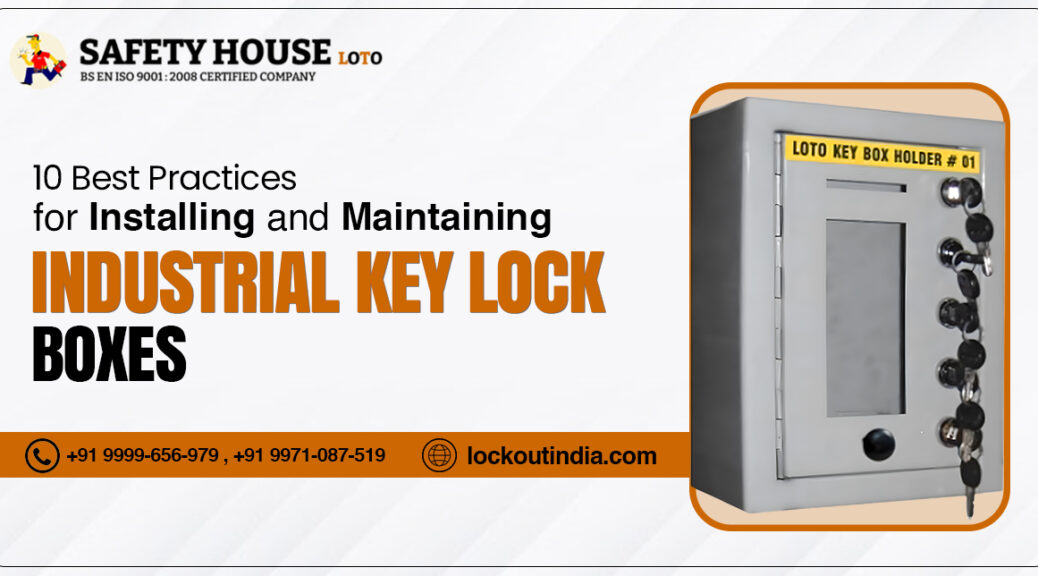
10 Best Practices for Installing and Maintaining Industrial Key Lock Boxes

In industrial environments, controlling access to keys is directly linked to safety, compliance, and operational efficiency. Whether you’re managing machinery lockout procedures, securing hazardous areas, or controlling equipment access, Key Lock Boxes play a crucial role in keeping the workplace protected. When installed and maintained correctly, they support safety protocols, reduce unauthorized access, and help teams follow lockout/tagout (LOTO) standards more effectively. Safety House Loto emphasizes that proper handling of these systems is just as important as owning them.

This blog outlines the 10 best practices for installing and maintaining industrial Key Lock Boxes to ensure long-term reliability and maximum safety.


1. Select the Right Location

Choosing an appropriate location is the foundation of effective installation. Key Lock Boxes should be installed in easily accessible yet controlled areas where authorized personnel can reach them quickly during maintenance or emergencies. Avoid corners with heavy foot traffic that may cause damage, as well as hidden spaces that slow down response time.
A well-planned placement ensures that employees can follow lockout procedures efficiently without confusion.


2. Prioritize Durable Construction

Industrial environments demand robust solutions. When selecting a key lock box, consider weather resistance, corrosion-proof materials, and tamper-resistant designs. Steel or reinforced metal bodies offer higher security and longevity. Impact-resistant boxes also prevent damage from forklifts, tools, or accidental hits.

Investing in durability reduces replacement costs and ensures consistent performance.


3. Ensure Secure Mounting

Improper mounting is one of the most common mistakes in industrial setups. A loosely fitted box can be easily removed or damaged, defeating the purpose of using Key Lock Boxes.
Use heavy-duty anchors and bolts suitable for the mounting surface—whether it is concrete, steel, or a specialized panel. Verify stability by performing periodic physical checks to ensure the installation remains secure over time.


4. Use Clear and Consistent Labeling

Clear labeling helps minimize confusion and human error. Each Key box should include identification tags or labels indicating the equipment or zone it corresponds to. In large facilities, standardized labeling helps technicians quickly locate the correct keys during maintenance.

Labeling also supports compliance by documenting key control procedures and helping inspectors follow safety trails.


5. Train Employees Properly

Even the most secure Key Lock Boxes fail in purpose if employees do not know how to use them correctly. Training should include:

  • Access rules
  • Lockout/tagout procedures
  • Key return processes
  • Reporting lost or damaged keys

Regular refresher sessions help maintain consistency, especially in workplaces with high employee turnover.


6. Implement Access Control Policies

Not everyone in a facility should have access to every key lock box. Creating restricted access rules enhances security and accountability. Use logs, sign-in sheets, or digital tracking systems to monitor key usage.
Assigning responsible personnel ensures that keys are returned and stored properly after use, reducing operational risks.


7. Conduct Routine Inspections

Routine inspections are essential to maintaining effective Key Lock Boxes. Inspect for:

  • Rust or corrosion
  • Loose mounts
  • Broken hinges or locks
  • Missing labeling
  • Forced entry signs

Early identification of issues prevents security breaches and allows timely repairs.

Documenting inspection schedules also supports audit compliance.


8. Clean and Maintain Components

Industrial settings expose equipment to dust, chemicals, and moisture, all of which can impact the functionality of a Key Lock Boxes system. Establish a regular cleaning routine using non-corrosive cleaners and lubricants suitable for metal hardware.
Clean hinges and locking mechanisms to prevent jamming or premature wear.

A well-maintained key lock box improves reliability and extends operational life.


9. Have Backup Plans for Emergencies

Even with excellent maintenance, unexpected situations can occur. Facilities should develop backup access procedures for:

  • Lost keys
  • Damaged locks
  • Power shutdowns affecting electronic systems

Emergency plans should not compromise security. Instead, they must allow safe, authorized access when needed. Keeping a sealed spare Key box under controlled supervision helps manage this effectively.


10. Document and Audit Usage

Documentation is a crucial part of industrial safety. Track who accessed keys, when they were taken, and when they were returned. Periodic audits help identify misuse, missing keys, or workflow inefficiencies.
Auditing also assists in improving safety compliance and preparing for regulatory inspections.

Proper documentation builds accountability, supporting overall workplace safety initiatives.


Conclusion

Installing and maintaining Key Lock Boxes is not only about securing keys—it is about protecting workers, machinery, and operational continuity. When these boxes are correctly installed, clearly labeled, regularly inspected, and used under defined access policies, they become powerful safety tools.

By following the 10 best practices above, industrial facilities can strengthen their lockout systems, support compliance, and ensure safer work environments. With solutions and guidance inspired by Safety House Loto, organizations can implement key control systems that truly enhance workplace safety.

How Key Lock Boxes Improve Security Across Industries

From Hospitals to Hotels: How Key Lock Boxes Improve Safety and Access Control

In a world where workplaces are becoming more complex and security standards more demanding, the need for reliable access control tools has never been greater. Among these tools, key lock boxes have become an essential part of safety and asset protection across multiple industries. Whether it’s a hospital managing emergency room access, a hospitality business securing housekeeping keys, or a manufacturing plant protecting operational controls, these compact yet powerful devices offer a level of security that traditional key management systems simply cannot match.

Businesses today require smarter ways to safeguard their keys—not only to prevent unauthorized access, but to improve accountability, streamline operations, and support compliance requirements. This is where high-quality solutions from companies like Safety House Loto step in, helping enterprises maintain structured and secure environments effortlessly.


Why Key Management Matters More Than Ever

Before exploring industry applications, it’s important to understand why key control has become so critical. Keys give access to expensive equipment, sensitive information, restricted rooms, and even critical operations. A single lost or mismanaged key can cause:

  • Operational delays

  • Safety hazards

  • Security breaches

  • Additional maintenance or rekeying costs

A key box holder, when used correctly, ensures that keys are stored in one secure place, accessible only to authorized personnel. This removes guesswork and enhances accountability within teams of all sizes.


How Key Lock Boxes Enhance Security Across Industries

1. Hospitals and Healthcare Facilities

Healthcare environments operate 24/7 and rely on strict access control. From medicine storage rooms to diagnostic labs, keys are constantly in use.

  • Emergency access: Medical staff must access restricted areas quickly without compromising security.

  • Accountability: A key holder box helps track who accessed which key and when.

  • Reduced risk: Prevents unauthorized entry into drug rooms, electrical panels, or hazardous areas.

Hospitals also face strict compliance requirements. A secure Key Lock Boxes ensures sensitive areas remain protected while supporting audit trails and safety protocols.


2. Hotels, Resorts, and Hospitality Businesses

Hotels manage an enormous number of keys—guest rooms, maintenance bays, storerooms, laundry setups, and more.

A well-organized key box system helps:

  • Centralize key distribution

  • Prevent unauthorized entry into guest areas

  • Manage staff shifts without confusion

  • Avoid key misplacement during peak seasons

Housekeeping teams, catering staff, and maintenance professionals rely on smooth access to complete their duties. When keys are stored securely, operational efficiency improves significantly. For hospitality brands that prioritize guest safety, adopting strong key management solutions becomes a strategic necessity.


3. Manufacturing Plants and Industrial Facilities

Industrial facilities operate high-risk machinery and store dangerous chemicals. Access must be controlled at all times.

Key lock boxes are widely used for:

  • Controlling access to machinery panels

  • Securing lockout/tagout devices

  • Protecting ignition keys for forklifts and equipment

  • Managing gate and warehouse entry points

Safety House Loto’s focus on workplace safety makes key management an integral part of hazard prevention. When combined with lockout/tagout procedures, key control reduces the chances of accidental startups, electrical faults, or unauthorized machine use.


4. Commercial Buildings and Corporate Offices

Businesses handle confidential information, expensive electronics, and restricted rooms such as server spaces and data centers.

A secure Key Lock Boxes helps organizations:

  • Protect asset rooms and IT cabinets

  • Provide controlled access for facility management

  • Improve monitoring of shared spaces

  • Reduce risks associated with lost master keys

This level of organization also helps during audits, maintenance inspections, and emergency situations.


5. Government Agencies and Public-Sector Institutions

Public institutions—from police stations to municipal offices—handle high-value and sensitive areas that require controlled access.

Using a dedicated Key Lock Boxes ensures:

  • Only authorized officials access critical areas

  • Proper logs are maintained

  • Keys are never left exposed or misplaced

For facilities with rotating staff or multiple departments, key control offers a structured and transparent system that improves trust and accountability.


Key Features That Make Lock Boxes a Smart Choice

Regardless of the industry, the best key lock boxes share some essential characteristics:

Durability and Tamper Resistance

A strong body, secure locking mechanism, and corrosion-resistant materials ensure long-term reliability—even in harsh environments.

Multiple Storage Options

Depending on usage, businesses can choose compact key boxes, wall-mounted units, portable models, or large-capacity key cabinets.

Clear Organization

Numbered hooks, color-coded tags, and labeling systems help staff locate and return keys without confusion.

Flexible Access Control

Combination codes, padlocks, digital locks, or integration with lockout/tagout devices allow businesses to choose the security level they need.


Why Every Modern Workplace Should Implement Key Control

A structured key management system offers more than just security. It provides a framework for managing access efficiently, improving workflow, and reducing risks. Benefits include:

  • Faster operations

  • Reduced downtime

  • Better employee accountability

  • Protection of confidential areas

  • Fewer misplaced keys

  • Compliance with safety standards

Whether a business runs on tight shift schedules or handles sensitive operations, organized key storage plays a major role in ensuring seamless daily operations.


Conclusion: Building Safer Workplaces With Smart Key Management

From hospitals to hotels, and from factories to corporate offices, key security remains a cornerstone of operational safety. As industries grow more complex and demand for structured access control rises, key lock boxes and related solutions offer a practical, reliable, and scalable way to protect workplaces.

For organizations looking to enhance safety standards and implement dependable key management systems, Safety House Loto provides high-quality solutions designed to support modern operational needs. With thoughtful design, durability, and a focus on workplace safety, their key storage systems help businesses maintain secure, efficient, and compliant environments across every industry.

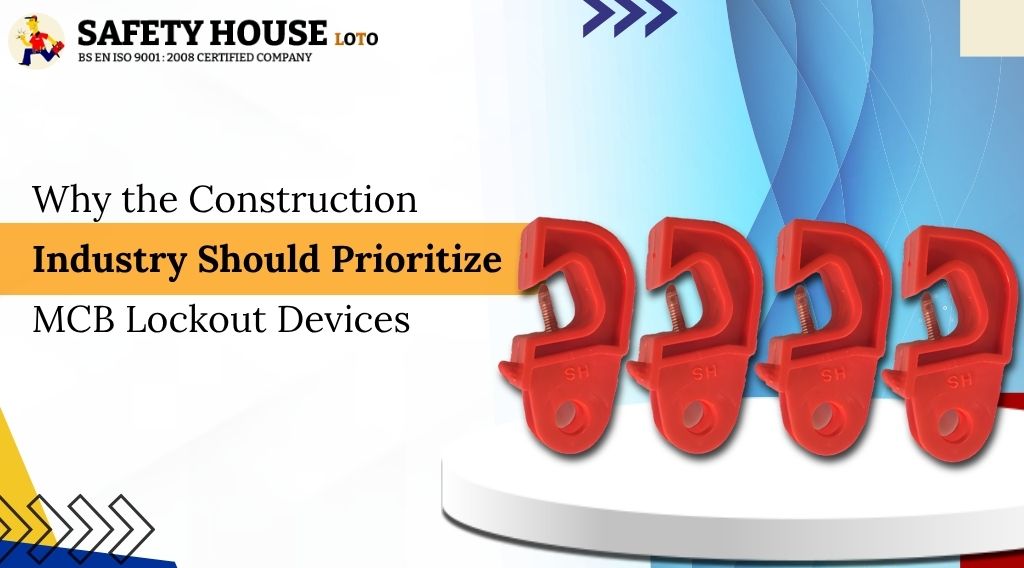
Why the Construction Industry Should Prioritize MCB Lockout Devices

MCB Lockout Devices: A Critical Safety Tool for Modern Construction Sites

Electrical safety is one of the most critical challenges in the construction industry. With multiple teams working simultaneously, heavy machinery running across the site, and temporary electrical setups being installed and removed regularly, the risk of accidental energization is extremely high. This is where MCB Lockout devices play a vital role in strengthening workplace safety and ensuring compliance with global safety standards.

In industries where even a small electrical mistake can put lives at risk, implementing the right Lockout Tagout Products is not optional—it is a responsibility. Among these safety tools, MCB lockouts are often underestimated, yet they offer one of the most effective ways to prevent electrical accidents on construction sites.


Understanding the Importance of MCB Lockout Devices

An MCB (Miniature Circuit Breaker) is designed to protect electrical circuits from overloads and short circuits. But in a busy construction environment, simply switching off an MCB is not enough. Workers may accidentally re-energize a circuit, or someone may turn it on without knowing maintenance is in progress.

MCB Lockout Devices Add a Critical Layer of Protection

These devices physically block the MCB from being turned on. Once locked, the breaker cannot be operated until authorized personnel remove the lockout. This ensures:

  • Zero accidental switch-on
  • Safe maintenance and repairs
  • Compliance with LOTO safety protocols
  • Controlled access to energy sources

This level of mechanical control significantly reduces the chances of electrical injuries, which remain one of the leading causes of construction-site accidents.


Why the Construction Industry Needs MCB Lockout Devices More Than Ever

1. Increasing Electrical Work on Modern Sites

Modern construction processes involve extensive use of electrical machinery, power tools, temporary wiring, and portable distribution boards. With so many power sources active at the same time, it becomes crucial to isolate circuits during repair, installation, or inspection.

MCB lockouts ensure these circuits remain off until the work is verified and completed.


2. Preventing Human Errors and Miscommunication

Construction sites often have multiple teams—electricians, welders, fitters, painters, and contractors—working simultaneously. Miscommunication is a common challenge.

Without a proper lockout device:

  • Someone may unknowingly energize a circuit being worked on.
  • Multiple workers may assume a circuit is safe when it’s not.
  • Maintenance may start without ensuring energy isolation.

Using MCB lockouts minimizes dependency on verbal communication or handwritten notices and replaces them with a secure, physical lockout mechanism.


3. Compliance With Global Safety Standards

International regulations such as OSHA, ISO 45001, and NFPA require proper lockout-tagout procedures for controlling hazardous energy. Construction companies aiming for global safety compliance must integrate LOTO systems into daily site operations.

MCB lockouts are a fundamental part of a compliant LOTO setup and help create a transparent, accountable safety environment.


4. Protecting Workers From Electrocution and Arc Flash Risks

One accidental energization can lead to:

  • Severe electric shocks
  • Burns
  • Arc flash explosions
  • Fatalities

Construction workers frequently handle metal tools, work in wet environments, and operate near energized equipment—all of which increase the risk. An MCB lockout ensures that no electrical line becomes live unexpectedly, drastically reducing these hazards.


5. Controlling Temporary Electrical Installations

Temporary electrical wiring is the backbone of most construction sites. But it’s also one of the most fragile and accident-prone systems. Temporary circuits often have:

  • Exposed wires
  • Quick installations
  • Frequent load changes
  • High vibration and dust exposure

MCB lockout devices help secure these temporary circuits during expansion, shifting, or repair, preventing accidental electrical flow.


How MCB Lockout Devices Improve Overall Site Efficiency

Many believe lockout devices slow down work, but in reality, they streamline operations by making tasks more organized and safer.

Better Maintenance Planning

When a circuit is locked out and tagged, everyone on the site knows:

  • Who is working on the system
  • What type of maintenance is ongoing
  • When the system will be restored

This improves coordination between teams and reduces downtime.

Reduced Risk = Reduced Costs

Electrical accidents lead to:

  • Medical emergencies
  • Compensation claims
  • Equipment damage
  • Project delays

Investing in MCB lockouts is a small cost that prevents major losses.


Types of MCB Lockout Devices Commonly Used in Construction

Construction sites require a mix of lockout devices depending on the type of breaker. Common options include:

1. Pin-In MCB Lockouts

Designed for breakers with internal gripping points.

2. Pin-Out MCB Lockouts

Used for breakers with external gripping mechanisms.

3. Universal MCB Lockout

Compatible with a wide range of breaker designs.

4. Clamp-On Type Lockouts

Ideal for larger MCBs with stronger locking requirements.

Selecting the right type ensures maximum grip and reliable isolation.


Conclusion

Prioritizing electrical safety is non-negotiable in the construction industry. MCB Lockout devices offer a simple but powerful way to control hazardous energy, prevent accidents, and maintain industry-standard safety practices. When paired with high-quality Lockout Tagout Products, they create a safer, more controlled workspace for everyone on site.

For companies looking to enhance their electrical safety protocols, investing in reliable lockout solutions from trusted brands like Safety House Loto is a smart step toward building a secure and compliant construction environment.


Frequently Asked Questions (FAQs)

1. What is an MCB Lockout device used for?

An MCB lockout device is used to physically prevent a miniature circuit breaker from being switched on during maintenance or repair work.

2. Why are MCB lockouts important for construction sites?

They prevent accidental energization, ensuring worker safety and compliance with LOTO safety procedures.

3. Are MCB lockout devices mandatory?

Many international safety standards require proper lockout-tagout practices, which include MCB lockouts for electrical isolation.

4. Can one lockout device fit all types of breakers?

Not always. While universal lockouts exist, selecting a device based on breaker type ensures maximum safety.

5. How do MCB lockouts help reduce accidents?

They stop unauthorized or accidental switch-on of electrical circuits, preventing electric shocks, burns, and arc flash incidents.