
Safety Lockout Products Explained: Types, Uses and Benefits

Introduction
Machines being accidentally energized during maintenance or repair are a cause of workplace accidents every year. The incidents can cause severe injury, damage equipment, and cause expensive downtime. Safety lockout products are an essential component of any industrial safety program, which is why they are so important. They are designed to isolate hazardous energy sources and ensure that workers are protected from the hazards while maintaining compliance with lockout/tagout (LOTO) procedures.
Whatever your role in the manufacturing plant, warehouse, utility facility or construction site, it is important to know about the various types of safety lockout products to make your working environment safer. This guide covers the most frequently used lockout devices, their uses, and advantages for today’s industrial setting.
What Are Safety Lockout Products?
Safety Lockout Products are the tools used to keep equipment and machinery in a safe condition.
Safety lockout products are special hardware designed to prevent the start-up of machinery or equipment during maintenance, servicing or repair activities. They physically separate energy sources and only allow authorised personnel to remove the lock and restore energy.
These products assist with lockout/tagout by providing secure locking for electrical, mechanical, hydraulic, pneumatic and other energy sources. When used in conjunction with adequate employee training, they can help minimize the chance of equipment getting turned on unexpectedly.
Lockout products are vital for the manufacturing, oil and gas, pharmaceuticals, mining, power generation, and food processing sectors – they ensure safe working practices and workplace safety regulations are followed.
Types of Safety Lockout Products
Lockout solutions vary depending on the equipment. Depending on the energy source and machinery, the choice of the right device is to be made.
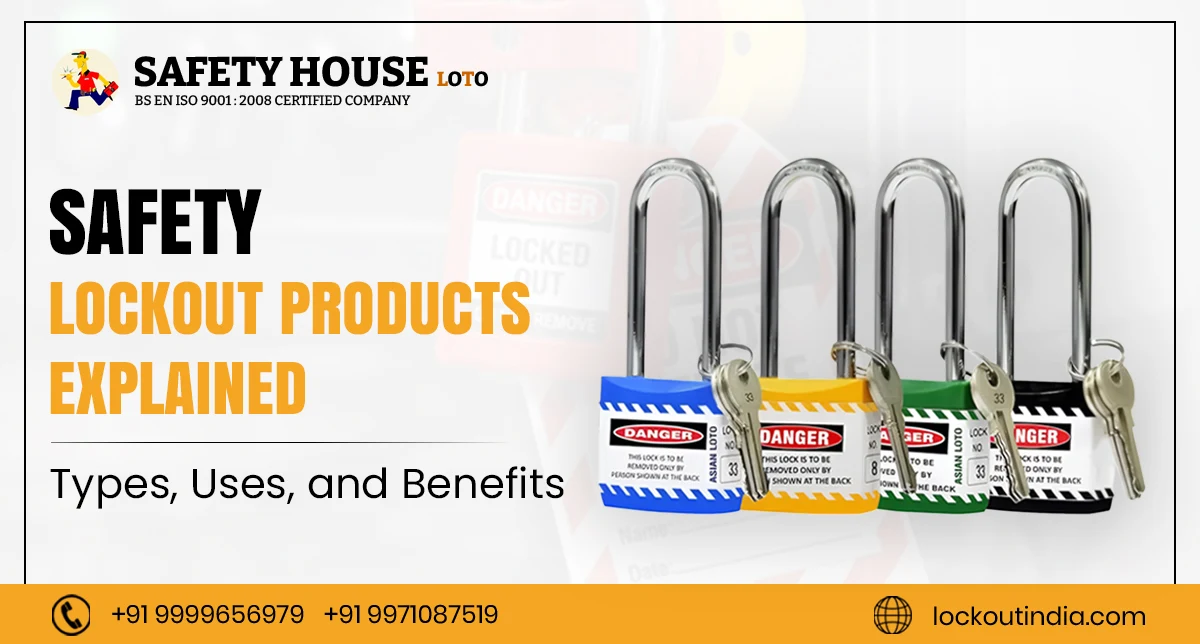
Safety Padlocks
One of the most frequently used lockout devices is safety padlocks. The locks are all keyed differently so that each will only open for the person assigned to that specific lock after the maintenance is done.
Circuit Breaker Lockouts
These devices lock electrical circuit breakers in the OFF position to ensure that circuit breakers cannot be accidentally turned on while electrical work is being carried out.
Valve Lockouts
The valve lockout is for use with various industrial valves including ball, gate, butterfly and more. They block the flow of liquids or gases when maintenance is carried out.
Cable Lockouts
Cable lockout systems provide flexibility with the ability to lock multiple isolation points at once. These are best suited to more complex machines, where there are multiple energy sources.
Lockout Hasps
Lockout hasps permit a number of workers to put on their individual padlocks to the same isolation point. This way, there is no risk of restarting equipment before all team members have finished their tasks.
Lockout Stations and Safety Tags
Lockout stations ensure devices are tidy and readily available, and safety tags convey important warnings and maintenance information to personnel.
Benefits of Safety Lockout Products
Safety lockout products offer several advantages:
Using the correct safety lockout products can provide more than just compliance.
The first is that they greatly decrease the risk of accidents on the job site because the machine does not start unexpectedly. This helps to make maintenance staff and equipment operators feel safer.
Second, they can assist organizations in adhering to safety procedures that are established for those industries.Second, they can aid organizations in following industry safety procedures and in-house safety procedures. Ensuring compliance helps to safeguard employees and minimize the potential for penalties and operational issues.
Additionally, lockout products enhance maintenance efficiency. Standardized lockout procedures and organized lockout stations and clear labeling of devices make it easier for technicians to perform their tasks with confidence and in fewer delays.
Last but not least, high-quality lockout equipment reflects a company’s dedication to worker safety, fostering a positive work environment and boosting trust between employees.
Best Practices for Choosing and Using Lockout Products
You must select the appropriate products and use them correctly to ensure reliable protection.To achieve reliable protection, products need to be selected and used correctly.
Choosing the correct products only accounts for one aspect of an effective lockout/tagout program.
First determine all the hazardous energy sources in your facility. Next select lockout devices that are specifically designed for your equipment and operating environment.
Give detailed training and ensure that employees know the proper application and usage of each device. Lockout equipment is also inspected regularly to help determine if worn or damaged equipment is a safety hazard.
Last but not least, collaborate with a trusted supplier that provides long-lasting and compliant products along with expert advice to help you achieve your long term safety objectives.
Conclusion
Knowing the various types, applications and benefits of various safety lockout products is crucial to establishing a safer workplace. Whether it’s a safety padlock, valve lockout, cable system, or a lockout station, these products are all vital in preventing hazardous energy accidents.
In conclusion, organizations can enhance worker safety, reduce downtime, and stay compliant with industry standards by choosing the right safety lockout products, establishing effective lockout/tagout procedures, and providing proper training.
Call To Action
Searching for trustworthy safety lockout products for your facility? Discover our full line of lockout/tagout products that can improve workplace safety and make compliance easier. Call us today to get the right products to meet your industrial safety requirements.