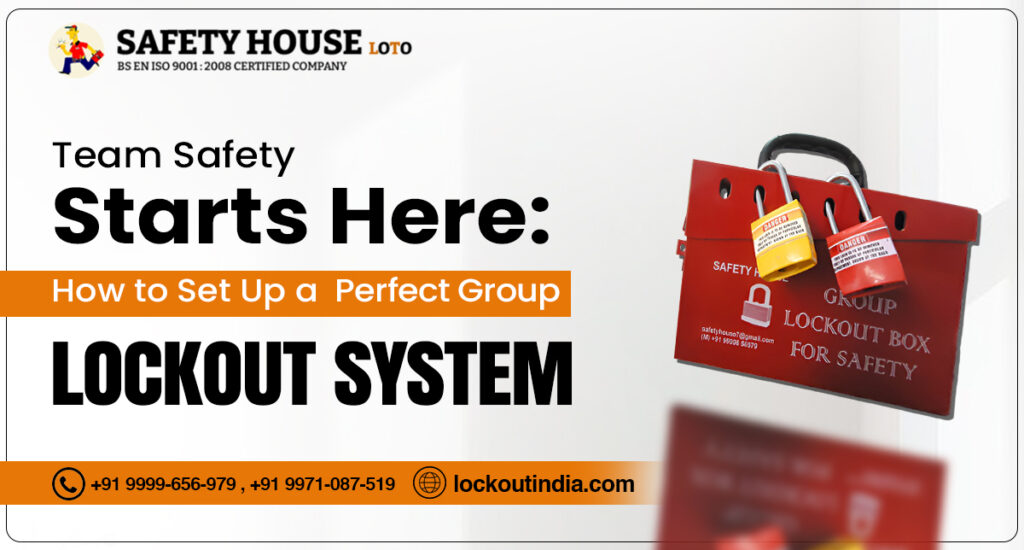
Team Safety Starts Here: How to Set Up a Perfect Group Lockout System
Workplace safety is not just about compliance—it’s about protecting lives. In environments where multiple employees work on the same machinery, energy isolation becomes more complex and more critical. This is where a well-designed Group Lockout System plays a vital role. When set up correctly, it ensures that every worker involved in maintenance or repair is fully protected from unexpected equipment start-up.
This guide explains how to set up an effective group lockout system (Group Lockout Box), why it matters, and the best practices that help teams stay safe and coordinated on the job.
Understanding the Need for a Group Lockout System
In many industrial settings, maintenance tasks are handled by teams rather than individuals. Electrical panels, mechanical drives, hydraulic systems, and pneumatic lines may all need to be isolated at once. A single lock is not enough in these situations.
A group lockout approach allows multiple workers to apply their personal locks, ensuring that machinery cannot be re-energized until everyone is clear. This shared responsibility eliminates confusion and reduces the risk of accidental restarts, making it an essential part of modern lockout/tagout procedures.
Key Components of an Effective Group Lockout Setup
Before implementing a system, it’s important to understand the core components involved.
Isolation Devices and Locks
Each energy source must be properly isolated using suitable lockout devices. These devices physically prevent switches, valves, or breakers from being operated. Every authorized employee should use their own uniquely keyed lock.
The Role of a Key Box in Group Lockout
A key box is the central element of most group lockout systems. Once isolation devices are locked, their keys are placed inside the box. Each team member then applies their personal lock to the box, preventing access to the keys.
This method ensures that no energy source can be restored until all workers have removed their locks, making it a simple yet highly effective safety control.
Step-by-Step: Setting Up a Group Lockout System
Step 1: Identify All Energy Sources
Begin by conducting a detailed assessment of the machinery or system. Identify every source of hazardous energy—electrical, mechanical, hydraulic, pneumatic, thermal, or chemical. Missing even one source can compromise the entire process.
Step 2: Shut Down and Isolate Equipment
Follow established shutdown procedures to turn off the equipment. Apply appropriate isolation devices to each energy point. At this stage, locks are applied to secure the isolation.
Step 3: Secure Keys in the Key Box
Place the keys from all applied locks into the key box. Once closed, the box becomes the single control point for the entire system. This step is crucial for maintaining accountability and coordination.
Step 4: Apply Personal Locks
Each authorized team member attaches their personal lock to the key box. This ensures that every individual has direct control over when the system can be re-energized.
Step 5: Verify Zero Energy State
Before work begins, test the equipment to confirm that all energy sources are fully isolated. Verification prevents false assumptions and reinforces safety.
Best Practices for a Perfect Group Lockout System
Clear Procedures and Documentation
Written lockout/tagout procedures should be easy to understand and readily accessible. Visual aids, such as diagrams and labels, can help workers quickly identify isolation points.
Proper Training and Authorization
Only trained and authorized personnel should participate in group lockout activities. Regular refresher training helps ensure that everyone understands their responsibilities and follows the correct steps.
Standardized Equipment
Using standardized locks, tags, and boxes across the facility reduces confusion and improves compliance. Consistency allows workers to move between tasks without relearning the system each time.
Regular Audits and Inspections
Periodic inspections help identify gaps in the process. Audits ensure that the group lockout system is being used correctly and that all equipment remains in good condition.
Common Mistakes to Avoid
One of the most frequent errors is relying on verbal communication instead of physical controls. Never assume a machine is safe because someone says it is. Another common mistake is failing to remove stored or residual energy, such as pressure in hydraulic lines or stored electrical charge.
Avoid rushing the process. Time pressure often leads to skipped steps, which can have serious consequences.
How Group Lockout Improves Team Accountability
A major advantage of a group lockout approach is shared accountability. Each person’s lock represents their presence and safety. The system naturally encourages communication and coordination among team members, creating a strong safety culture.
When everyone understands that the equipment cannot be restarted until all locks are removed, safety becomes a collective responsibility rather than an individual task.
Building a Strong Safety Culture with the Right Partner
Implementing a reliable group lockout system requires more than just equipment—it requires expertise, planning, and ongoing support. Organizations like Safety House Loto focus on providing robust lockout solutions and guidance that align with international safety standards.
With the right system in place, teams can work confidently, knowing that every precaution has been taken to protect them from hazardous energy.
Conclusion
Team safety truly starts with proper planning and the right systems. A well-implemented Group Lockout System, supported by clear procedures and a secure key box, dramatically reduces the risk of accidents during maintenance and repair work.
By investing in training, standardized equipment, and regular audits, organizations can create safer workplaces where every employee returns home unharmed. When safety is treated as a shared responsibility, productivity and trust naturally follow.

10 Best Practices for Installing and Maintaining Industrial Key Lock Boxes
In industrial environments, controlling access to keys is directly linked to safety, compliance, and operational efficiency. Whether you’re managing machinery lockout procedures, securing hazardous areas, or controlling equipment access, Key Lock Boxes play a crucial role in keeping the workplace protected. When installed and maintained correctly, they support safety protocols, reduce unauthorized access, and help teams follow lockout/tagout (LOTO) standards more effectively. Safety House Loto emphasizes that proper handling of these systems is just as important as owning them.
This blog outlines the 10 best practices for installing and maintaining industrial Key Lock Boxes to ensure long-term reliability and maximum safety.
1. Select the Right Location
Choosing an appropriate location is the foundation of effective installation. Key Lock Boxes should be installed in easily accessible yet controlled areas where authorized personnel can reach them quickly during maintenance or emergencies. Avoid corners with heavy foot traffic that may cause damage, as well as hidden spaces that slow down response time.
A well-planned placement ensures that employees can follow lockout procedures efficiently without confusion.
2. Prioritize Durable Construction
Industrial environments demand robust solutions. When selecting a key lock box, consider weather resistance, corrosion-proof materials, and tamper-resistant designs. Steel or reinforced metal bodies offer higher security and longevity. Impact-resistant boxes also prevent damage from forklifts, tools, or accidental hits.
Investing in durability reduces replacement costs and ensures consistent performance.
3. Ensure Secure Mounting
Improper mounting is one of the most common mistakes in industrial setups. A loosely fitted box can be easily removed or damaged, defeating the purpose of using Key Lock Boxes.
Use heavy-duty anchors and bolts suitable for the mounting surface—whether it is concrete, steel, or a specialized panel. Verify stability by performing periodic physical checks to ensure the installation remains secure over time.
4. Use Clear and Consistent Labeling
Clear labeling helps minimize confusion and human error. Each Key box should include identification tags or labels indicating the equipment or zone it corresponds to. In large facilities, standardized labeling helps technicians quickly locate the correct keys during maintenance.
Labeling also supports compliance by documenting key control procedures and helping inspectors follow safety trails.
5. Train Employees Properly
Even the most secure Key Lock Boxes fail in purpose if employees do not know how to use them correctly. Training should include:
- Access rules
- Lockout/tagout procedures
- Key return processes
- Reporting lost or damaged keys
Regular refresher sessions help maintain consistency, especially in workplaces with high employee turnover.
6. Implement Access Control Policies
Not everyone in a facility should have access to every key lock box. Creating restricted access rules enhances security and accountability. Use logs, sign-in sheets, or digital tracking systems to monitor key usage.
Assigning responsible personnel ensures that keys are returned and stored properly after use, reducing operational risks.
7. Conduct Routine Inspections
Routine inspections are essential to maintaining effective Key Lock Boxes. Inspect for:
- Rust or corrosion
- Loose mounts
- Broken hinges or locks
- Missing labeling
- Forced entry signs
Early identification of issues prevents security breaches and allows timely repairs.
Documenting inspection schedules also supports audit compliance.
8. Clean and Maintain Components
Industrial settings expose equipment to dust, chemicals, and moisture, all of which can impact the functionality of a Key Lock Boxes system. Establish a regular cleaning routine using non-corrosive cleaners and lubricants suitable for metal hardware.
Clean hinges and locking mechanisms to prevent jamming or premature wear.
A well-maintained key lock box improves reliability and extends operational life.
9. Have Backup Plans for Emergencies
Even with excellent maintenance, unexpected situations can occur. Facilities should develop backup access procedures for:
- Lost keys
- Damaged locks
- Power shutdowns affecting electronic systems
Emergency plans should not compromise security. Instead, they must allow safe, authorized access when needed. Keeping a sealed spare Key box under controlled supervision helps manage this effectively.
10. Document and Audit Usage
Documentation is a crucial part of industrial safety. Track who accessed keys, when they were taken, and when they were returned. Periodic audits help identify misuse, missing keys, or workflow inefficiencies.
Auditing also assists in improving safety compliance and preparing for regulatory inspections.
Proper documentation builds accountability, supporting overall workplace safety initiatives.
Conclusion
Installing and maintaining Key Lock Boxes is not only about securing keys—it is about protecting workers, machinery, and operational continuity. When these boxes are correctly installed, clearly labeled, regularly inspected, and used under defined access policies, they become powerful safety tools.
By following the 10 best practices above, industrial facilities can strengthen their lockout systems, support compliance, and ensure safer work environments. With solutions and guidance inspired by Safety House Loto, organizations can implement key control systems that truly enhance workplace safety.

How Key Lock Boxes Improve Security Across Industries
From Hospitals to Hotels: How Key Lock Boxes Improve Safety and Access Control
In a world where workplaces are becoming more complex and security standards more demanding, the need for reliable access control tools has never been greater. Among these tools, key lock boxes have become an essential part of safety and asset protection across multiple industries. Whether it’s a hospital managing emergency room access, a hospitality business securing housekeeping keys, or a manufacturing plant protecting operational controls, these compact yet powerful devices offer a level of security that traditional key management systems simply cannot match.
Businesses today require smarter ways to safeguard their keys—not only to prevent unauthorized access, but to improve accountability, streamline operations, and support compliance requirements. This is where high-quality solutions from companies like Safety House Loto step in, helping enterprises maintain structured and secure environments effortlessly.
Why Key Management Matters More Than Ever
Before exploring industry applications, it’s important to understand why key control has become so critical. Keys give access to expensive equipment, sensitive information, restricted rooms, and even critical operations. A single lost or mismanaged key can cause:
- Operational delays
- Safety hazards
- Security breaches
- Additional maintenance or rekeying costs
A key box holder, when used correctly, ensures that keys are stored in one secure place, accessible only to authorized personnel. This removes guesswork and enhances accountability within teams of all sizes.
How Key Lock Boxes Enhance Security Across Industries
1. Hospitals and Healthcare Facilities
Healthcare environments operate 24/7 and rely on strict access control. From medicine storage rooms to diagnostic labs, keys are constantly in use.
- Emergency access: Medical staff must access restricted areas quickly without compromising security.
- Accountability: A key holder box helps track who accessed which key and when.
- Reduced risk: Prevents unauthorized entry into drug rooms, electrical panels, or hazardous areas.
Hospitals also face strict compliance requirements. A secure Key Lock Boxes ensures sensitive areas remain protected while supporting audit trails and safety protocols.
2. Hotels, Resorts, and Hospitality Businesses
Hotels manage an enormous number of keys—guest rooms, maintenance bays, storerooms, laundry setups, and more.
A well-organized key box system helps:
- Centralize key distribution
- Prevent unauthorized entry into guest areas
- Manage staff shifts without confusion
- Avoid key misplacement during peak seasons
Housekeeping teams, catering staff, and maintenance professionals rely on smooth access to complete their duties. When keys are stored securely, operational efficiency improves significantly. For hospitality brands that prioritize guest safety, adopting strong key management solutions becomes a strategic necessity.
3. Manufacturing Plants and Industrial Facilities
Industrial facilities operate high-risk machinery and store dangerous chemicals. Access must be controlled at all times.
Key lock boxes are widely used for:
- Controlling access to machinery panels
- Securing lockout/tagout devices
- Protecting ignition keys for forklifts and equipment
- Managing gate and warehouse entry points
Safety House Loto’s focus on workplace safety makes key management an integral part of hazard prevention. When combined with lockout/tagout procedures, key control reduces the chances of accidental startups, electrical faults, or unauthorized machine use.
4. Commercial Buildings and Corporate Offices
Businesses handle confidential information, expensive electronics, and restricted rooms such as server spaces and data centers.
A secure Key Lock Boxes helps organizations:
- Protect asset rooms and IT cabinets
- Provide controlled access for facility management
- Improve monitoring of shared spaces
- Reduce risks associated with lost master keys
This level of organization also helps during audits, maintenance inspections, and emergency situations.
5. Government Agencies and Public-Sector Institutions
Public institutions—from police stations to municipal offices—handle high-value and sensitive areas that require controlled access.
Using a dedicated Key Lock Boxes ensures:
- Only authorized officials access critical areas
- Proper logs are maintained
- Keys are never left exposed or misplaced
For facilities with rotating staff or multiple departments, key control offers a structured and transparent system that improves trust and accountability.
Key Features That Make Lock Boxes a Smart Choice
Regardless of the industry, the best key lock boxes share some essential characteristics:
Durability and Tamper Resistance
A strong body, secure locking mechanism, and corrosion-resistant materials ensure long-term reliability—even in harsh environments.
Multiple Storage Options
Depending on usage, businesses can choose compact key boxes, wall-mounted units, portable models, or large-capacity key cabinets.
Clear Organization
Numbered hooks, color-coded tags, and labeling systems help staff locate and return keys without confusion.
Flexible Access Control
Combination codes, padlocks, digital locks, or integration with lockout/tagout devices allow businesses to choose the security level they need.
Why Every Modern Workplace Should Implement Key Control
A structured key management system offers more than just security. It provides a framework for managing access efficiently, improving workflow, and reducing risks. Benefits include:
- Faster operations
- Reduced downtime
- Better employee accountability
- Protection of confidential areas
- Fewer misplaced keys
- Compliance with safety standards
Whether a business runs on tight shift schedules or handles sensitive operations, organized key storage plays a major role in ensuring seamless daily operations.
Conclusion: Building Safer Workplaces With Smart Key Management
From hospitals to hotels, and from factories to corporate offices, key security remains a cornerstone of operational safety. As industries grow more complex and demand for structured access control rises, key lock boxes and related solutions offer a practical, reliable, and scalable way to protect workplaces.
For organizations looking to enhance safety standards and implement dependable key management systems, Safety House Loto provides high-quality solutions designed to support modern operational needs. With thoughtful design, durability, and a focus on workplace safety, their key storage systems help businesses maintain secure, efficient, and compliant environments across every industry.
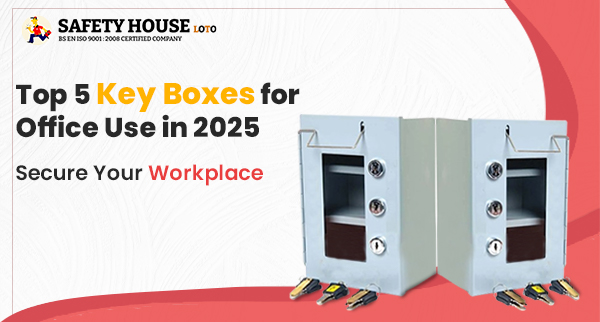
Top 5 Key Box for Office Use in 2025: Secure Your Workplace
Posted On: July 24, 2025
Categorized In: Key Box
Written By: blog
In today’s digitally connected but physically active workspaces, managing physical keys is still a critical task. Offices, factories, and corporate setups all deal with various keys — whether for lockers, cabinets, server rooms, or industrial machinery. A key box for office use helps maintain control, increase accountability, and ensure quick access in emergencies.
A well-organized key cabinet not only improves operational efficiency but also supports safety protocols such as Lockout Tagout (LOTO). If your office or facility is looking to upgrade its access control measures in 2025, this guide will walk you through the best options available and help you choose the right solution for your workplace.
Why Every Office Needs a Key Box
The concept of a Key Box for Office might seem simple, but its benefits are wide-ranging:
- Security: Prevent unauthorized access to sensitive areas.
- Organization: Track, label, and audit who accessed which key and when.
- Safety Compliance: For facilities that follow Lockout kit procedures, key boxes play an important role in storing lockout keys safely.
- Efficiency: Reduce time spent searching for lost or misplaced keys.
Whether you operate a coworking space, IT office, warehouse, or manufacturing unit, using the right key cabinet contributes significantly to control and compliance.
Top Features to Consider in 2025
Before selecting a Key Box for Office, here are a few features that are must-haves in modern office setups:
- Build Quality: Powder-coated steel or reinforced metal for durability.
- Capacity: Options vary from 10 to 100+ key slots based on need.
- Lock Mechanism: Choose from key-lock, combination, or digital locks.
- Ease of Use: Numbered hooks, key tags, and index cards improve usability.
- Visibility: Transparent doors help identify if a key is missing at a glance.
- LOTO Compatibility: Especially important in industrial settings.
Let’s explore the top 5 key boxes that stand out in 2025.
1. 50-Key Lockable Steel Cabinet
Ideal for growing offices and administrative areas, this mid-sized key cabinet balances capacity with accessibility. It includes 50 numbered hooks, durable construction, and a tamper-resistant lock.
Key Features:
- Powder-coated steel frame.
- Includes pre-labeled key tags and an index card.
- Wall mountable for secure placement.
- Best suited for general office or facility management.
This model provides a robust solution for businesses with multiple departments or shared storage areas.
- Digital Key Box with Touchscreen Keypad
Blending smart technology with physical access control, this digital Key Box for Office offers secure access through a PIN-enabled keypad. It’s ideal for offices where multiple users need controlled and trackable access.
Key Features:
- Stores 30–40 keys.
- Programmable PIN access for individual users.
- Includes battery backup and low-power warning.
- Optional audit trail for tracking usage.
Perfect for tech offices, data centers, and HR departments managing sensitive access points.
3. Compact 20-Key Cabinet for Departmental Use
For smaller teams or individual departments, a compact key box with 20 slots is an excellent fit. It is simple, efficient, and built for everyday use.
Key Features:
- Lightweight yet sturdy body.
- Key-lock mechanism with spare key included.
- Labeled slots and tags for easy organization.
- Useful in retail stores, HR offices, or inventory rooms.
Its compatibility with LOTO kit setups makes it a good choice for maintenance teams as well.
4. Transparent Door Key Box Holder
A clear view means quicker action. This key box holder with a transparent front allows staff to see if any key is missing without opening the cabinet. It’s ideal for shared workspaces or frequently accessed zones.
Key Features:
- Acrylic front panel with reinforced metal frame.
- Up to 40 slots with color-coded key tags.
- Combination lock or key lock option.
- Mountable on walls, near access points, or in reception areas.
Highly recommended for security rooms, storage units, or warehouses where keys are in regular use.
5. Industrial Key Cabinet with LOTO Integration
Designed for industrial environments, this specialized key cabinet features slots meant specifically for lockout tagout keys. It comes with space for safety documentation, tags, and an isolation point chart.
Key Features:
- Reinforced safety color (red/yellow) for visibility.
- Supports LOTO safety tags, keys, and documents.
- Dual-locking mechanism for added security.
- Ideal for engineering, maintenance, and utility control rooms.
If your facility uses LOTO practices, this model provides a seamless storage and safety solution.
How to Maintain and Use Key Boxes Effectively
To get the most out of your key box for office use, consider these best practices:
- Keep an Updated Log: Whether digital or physical, always track key issuance and return.
- Limit Access: Restrict who can unlock or manage the key cabinet.
- Label Clearly: Use pre-printed tags and maintain an index for reference.
- Train Your Staff: Ensure employees understand how to properly use and return keys.
- Audit Regularly: Conduct weekly or monthly checks to prevent issues before they arise.
Choosing the Right Key Management System
Every office is different, so your choice of key box should reflect your specific needs:
- For general use: A basic cabinet with key-lock and labeled hooks may suffice.
- For high-security areas: Go for digital options with programmable access.
- For industrial applications: Use models that support LOTO kits and safety documents.
- For visual tracking: Transparent door holders are practical and efficient.
By choosing wisely, you not only improve access control but also foster a more secure, organized, and responsible workplace.
Safety House Loto: Your Partner in Office Safety
At Safety House Loto, we understand that workplace safety goes beyond just compliance. It’s about creating a culture of accountability, awareness, and control. Our range of Key Box for Office, key cabinets, and LOTO kits are designed to support businesses in achieving these goals.
We’ve served thousands of businesses across India and beyond with tailored safety solutions — from factories to IT companies. Whether you’re upgrading your current key management system or starting fresh, our team is ready to help you choose the right solution.
Final Thoughts
Choosing the right key box for office use isn’t just about storage—it’s about security, responsibility, and peace of mind. With advancing technology and growing safety standards, businesses in 2025 must invest in smart, durable, and scalable key cabinet systems.
From digital locking models to LOTO-compatible key holders, there’s a perfect solution for every business need. Start by identifying your usage, consider access frequency, and prioritize reliability. And remember, investing in the right key box holder today can prevent potential losses, delays, or even safety hazards tomorrow.
For expert assistance or to explore our full range of key cabinets and LOTO kits, connect with Safety House Loto — your trusted workplace safety partner.
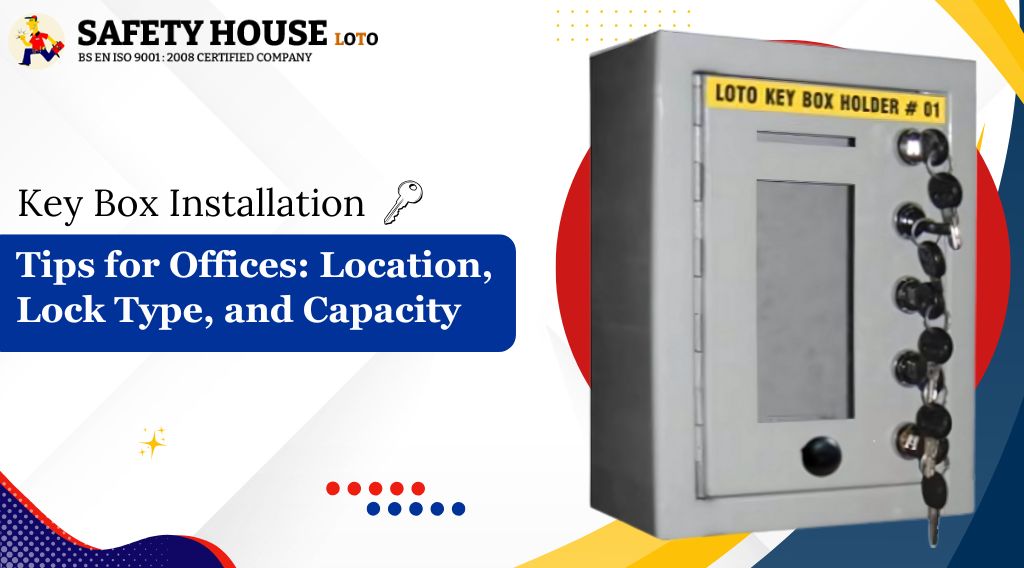
Key Box Installation Tips for Offices: Location, Lock Type, and Capacity
Posted On: June 9, 2025
Categorized In: Key Box
Written By: blog
Managing keys and locks in an office environment can be more complex than it seems. With growing concerns around safety, compliance, and access control, having a reliable key box for office use is no longer optional—it’s essential. For companies using LOTO locks (Lockout Tagout), it becomes even more critical to ensure keys are securely stored, easily accessible to authorized personnel, and organized systematically.
In this blog, we’ll explore important tips on key box installation for offices, focusing on three core aspects: location, lock type, and capacity. These factors, when considered carefully, help ensure safety, compliance, and operational efficiency. For organizations like Safety House Loto, which cater to industrial safety solutions, these practices are especially valuable for customers seeking the right key management system.
Why Key Boxes Are Essential in Office Environments
In today’s modern workplace, access control isn’t limited to just IT systems—it applies to physical spaces, equipment, and machinery as well. Whether it’s for facility access, equipment rooms, maintenance lockers, or LOTO lock keys, a well-installed key box can streamline operations while ensuring security.
Without a proper system in place, keys can be misplaced, misused, or fall into unauthorized hands, leading to serious security breaches or compliance violations.
Choosing the Right Location for Key Box Installation
1. Accessibility vs. Security Balance
When selecting a location for a key box in an office, strike the right balance between accessibility and security. It should be easily reachable for authorized users without being exposed to general foot traffic or public areas.
Recommended locations:
- Near the main electrical control panels or maintenance areas (especially for LOTO lock systems)
- Inside facility manager’s cabin or reception control desk
- In a controlled access room, such as a security or operations room
2. Avoid External Wall Installations
Avoid installing key boxes on exterior-facing walls or near exit doors unless they are within a secure internal office premise. Exposed locations can increase the risk of tampering or theft.
Lock Type: Choose What Matches Your Security Needs
The locking mechanism of the key box is crucial, especially when handling LOTO locks or sensitive access keys.
1. Traditional Key Locks
These are cost-effective and simple to use but may not be ideal for high-security needs. They are best suited for smaller offices or less critical key storage.
2. Combination Locks
A step up in security, combination lock key boxes eliminate the need for managing additional keys. Ensure the combination is changed periodically and known only to authorized personnel.
3. Digital or Smart Lock Systems
Ideal for larger organizations or industrial environments. Digital key boxes can include PIN access, biometric scanners, or card readers. These are particularly useful for LOTO lock storage, where strict access control and audit trails are necessary.
Key Box Capacity: Plan for Present and Future Needs
One common mistake offices make is underestimating how many keys they’ll need to store—not just today, but in the future.
1. Evaluate Current Requirements
Start by counting all essential keys, including those for:
- Electrical and mechanical rooms
- LOTO lock systems
- Server and data centers
- Restricted access storage areas
2. Plan for Expansion
It’s wise to choose a key box with slightly higher capacity than your current need. Modular or expandable models offer flexibility as your office infrastructure grows.
Labeling and Key Organization
Even the best key box for office use can become inefficient without proper organization.
Best Practices:
- Use numbered hooks and corresponding labels
- Maintain a logbook or digital key tracking system
- Assign color codes for different departments or types of access
- Use tamper-evident tags for LOTO lock keys to ensure safety compliance
Integration with Lockout Tagout Procedures
If your office environment includes machinery or equipment that requires lockout-tagout, the key box should align with your LOTO procedure. This includes:
- Isolating LOTO lock keys from general-use keys
- Restricting access only to trained and authorized personnel
- Using group lockout boxes when multiple workers are involved
Integrating a key box into your LOTO protocol reduces confusion, prevents unauthorized operation of locked equipment, and ensures OSHA compliance.
Conclusion
Installing a key box in an office setting isn’t just about storing keys—it’s about promoting safety, organization, and accountability. By carefully considering the location, selecting the right locking mechanism, and planning for the appropriate capacity, businesses can ensure a secure and efficient key management system.
For safety-focused environments or those with LOTO lock requirements, these practices are even more essential. Organizations like Safety House Loto provide a range of safety solutions designed to support industries in maintaining safe and compliant workplaces. Whether you’re upgrading your safety protocol or planning a new facility layout, don’t overlook the importance of a well-planned key storage system.

Top Features to Look for in a Home Key Box for Maximum Security
Essential Features to Look for in a Secure Key Box for Home Use
When it comes to home security, most people think of cameras, alarm systems, and smart locks. But one small tool often overlooked is the key box for home—a simple yet powerful device that helps manage access and prevent unauthorized entry. Whether you have domestic help, Airbnb guests, or just want a secure spot to store spare keys, a key locker is an essential safety feature for modern homes.
Let’s explore the key features to look for in a home key box to ensure maximum security and usability.
1. Durability and Build Material
One of the most critical aspects of any key cabinet is its material. Choose a unit made from heavy-duty steel or zinc alloy, which is resistant to tampering, corrosion, and harsh weather conditions. For outdoor use, waterproof and rust-proof finishes are a must.
Poorly built boxes can be pried open easily, defeating the purpose of security. A sturdy build not only offers better protection but also extends the life of the product.
2. Reliable Locking Mechanism
The whole idea of a key locker is to secure access. Look for locking mechanisms that offer both security and ease of use. Some popular options include:
- Combination Locks – Provide secure access without the need for physical keys.
- Digital Keypads – Useful for frequent access and better control.
- Biometric Locks – Advanced models now come with fingerprint recognition.
A tamper-resistant lock system adds another layer of protection, especially if the box is installed outside your home.
3. Capacity and Storage Design
How many keys do you need to store? Some key boxes are designed for a single spare key, while others can store multiple keys with labels and hangers. Choose a box that matches your needs:
- Single Key Storage – Ideal for families or occasional use.
- Multi-Key Cabinets – Useful for larger households, property managers, or rental homes.
Opt for a model with clearly labeled hooks or compartments, so you’re not fumbling around when you need quick access.
4. Weather Resistance (Especially for Outdoor Use)
If your key box for home will be installed outside, it needs to withstand the elements. Look for features like:
- Weatherproof Seals
- Dust Covers for the Lock
- UV-Resistant Coatings
These features ensure the key cabinet functions well throughout the year, regardless of the weather.
5. Mounting and Installation Options
The ease of installation can affect how securely the box is attached to the wall. Look for a key locker that offers:
- Pre-drilled Mounting Holes
- Strong Screws or Bolts
- Tamper-Proof Mounting Design
Some models offer portable options as well, but wall-mounted versions offer better protection for permanent use.
6. Backup Access Features
Even the best security systems can fail, which is why some modern key cabinets offer backup access methods. Whether it’s a manual override key, a reset feature, or a secondary code, these features can come in handy in emergencies or accidental lockouts.
7. Discreet Design
While functionality is key, appearance also matters. A low-profile design that blends with the wall or surroundings adds a layer of “security through obscurity.” Choose neutral colors and compact models that don’t draw attention.
8. Audit Trails and Smart Features
If you’re tech-savvy, some modern key boxes come equipped with Bluetooth or Wi-Fi connectivity, allowing you to monitor access logs through an app. This is especially useful for vacation rentals or shared housing setups where multiple people may need temporary access.
Why Choose a Reliable Brand?
When investing in a key box for home, it’s important to buy from a trusted manufacturer. At Safety House Loto, we understand that even the smallest security detail matters. Our range of key lockers and cabinets is designed with industry-grade materials, user-friendly features, and a focus on long-lasting safety.
While the product may seem simple, a poorly chosen key box can compromise the overall security of your home. Make your choice based on quality, not just price.
Final Thoughts
A key cabinet may not be the flashiest piece of home security gear, but its role is crucial. Whether you’re storing keys for family members, staff, or guests, a good quality key locker offers peace of mind, easy access, and reliable protection.
Choose one that fits your home’s needs, offers modern features, and is built to last—because in security, it’s the little things that make a big difference.

Top 5 Reasons Your Office Needs a Secure Key Box Today
Managing office keys efficiently is essential for security and organization. Whether you run a small business or a large corporate office, keeping keys secure can prevent unauthorized access and improve overall workplace efficiency. A key box for office is a simple yet highly effective solution to store, manage, and control access to important keys.
In this blog, we’ll explore the top five reasons why every office needs a secure key box and how it can enhance security and operational efficiency.
1. Enhanced Security and Controlled Access
Security is a top priority for any workplace. A key box for office ensures that only authorized personnel can access specific areas, reducing the risk of theft or misuse.
- Prevents unauthorized access to sensitive areas
- Keeps office keys in a secure, locked location
- Minimizes the chances of losing or misplacing keys
By using a key box, offices can implement better access control policies, ensuring that only designated employees can retrieve keys when necessary.
2. Improved Organization and Efficiency
A well-organized office leads to improved productivity. Without a proper system, employees often waste valuable time searching for misplaced keys. A key box helps keep all keys in one designated place, reducing confusion and delays.
- Saves time by eliminating unnecessary key searches
- Organizes multiple keys systematically with labeled slots
- Reduces frustration and enhances workflow efficiency
For businesses handling multiple offices, storage rooms, or restricted areas, a key box for office ensures quick and easy access to the right key when needed.
3. Reduces the Risk of Key Loss and Replacement Costs
Lost keys can pose a serious security threat and lead to significant financial losses. Replacing locks and reissuing keys can be expensive, especially in larger organizations. A key box acts as a preventive measure, reducing the risk of key loss.
- Keeps all keys secure in one location
- Reduces the need for frequent key replacements
- Helps track key usage and accountability
With a key box, businesses can assign responsibilities to employees, ensuring that every key is returned after use. This helps in monitoring access and preventing loss.
4. Compliance with Safety and Security Standards
Many industries, including healthcare, finance, and manufacturing, have strict security policies that require proper key management. Using a key box for office helps businesses stay compliant with safety regulations.
- Ensures restricted access to sensitive areas
- Supports compliance with workplace safety standards
- Helps businesses maintain security logs for audits
By integrating a key box, companies can demonstrate their commitment to workplace security and ensure compliance with industry-specific regulations.
5. Versatile Storage for Multiple Applications
A key box isn’t just for office doors; it can also be used for:
- Managing access to storage rooms, lockers, and safes
- Securing keys for company vehicles and equipment
- Organizing keys for multiple departments or branches
From small offices to large corporate environments, a key box for office provides a scalable solution that adapts to various security needs.
Conclusion
A secure box is important for offices that want to improve security, efficiency, and organization. This allows for the reduction of loss of keys, decrease in unauthorized access, and security compliance.
At Safety House Loto, we provide high-quality key boxes designed for businesses of all sizes. Whether you need a small key storage solution or a large secure cabinet, we have the right options to meet your needs. Invest in a reliable key box for office today and experience the benefits of enhanced security and convenience.
Need further help in selecting the right key box for your offices? Contact Safety House Loto today

Step-by-Step Guide: Implementing a LOTO Box System in Your Workplace
Ensuring workplace safety is a critical priority for industries worldwide. One of the most effective ways to safeguard workers during maintenance or servicing activities is by implementing a Lockout Tagout (LOTO) system. A crucial component of this system is the Group Lockout Box (also referred to as a key box). This blog provides a detailed guide to help you implement a LOTO box system effectively in your workplace.
Understanding the Importance of a Group Lockout Box
A Group Lockout Box serves as a secure central location for storing keys to lockout points during maintenance. This ensures that equipment remains de-energized and cannot be restarted until all workers have completed their tasks and removed their locks from the box. By centralizing control, the key box minimizes risks and enhances coordination among teams.
Step 1: Assess Your Workplace Needs
Before implementing a LOTO box system, evaluate the specific needs of your facility. Identify:
- The types of machinery and energy sources present.
- The number of employees involved in lockout procedures.
- The complexity of the equipment and whether multiple lockout points exist.
This assessment will help determine the number and type of Group Lockout Boxes required.
Step 2: Procure Suitable LOTO Equipment
Choose high-quality lockout equipment, including Group Lockout Boxes, locks, tags, and hasps. Ensure the key boxes you select are durable, easy to use, and meet relevant safety standards. Companies like Safety House Loto offer a wide range of reliable lockout solutions tailored to diverse industrial needs.
Step 3: Develop Comprehensive LOTO Procedures
Draft detailed lockout procedures that outline:
- The steps to de-energize and isolate equipment.
- Instructions for using the Group Lockout Box.
- Steps for verifying that energy sources are completely isolated.
Ensure the procedures comply with occupational safety regulations and are specific to your equipment and processes.
Step 4: Train Employees
Effective training is crucial for the success of any safety system. Educate your employees about:
- The purpose and importance of the LOTO system.
- How to use the key box and other lockout devices.
- Their individual responsibilities in ensuring workplace safety.
Regular refresher training sessions should also be conducted to reinforce knowledge and address any gaps.
Step 5: Install and Label LOTO Boxes
Place Group Lockout Boxes at strategic locations that are easily accessible to workers. Label the boxes clearly with instructions for use and ensure they are kept in good condition. Proper placement minimizes downtime and ensures smooth execution of lockout procedures.
Step 6: Test and Monitor the System
After installation, conduct a trial run of the LOTO system. Monitor the process to identify any challenges or areas for improvement. Collect feedback from employees and make necessary adjustments to optimize efficiency and safety.
Step 7: Regular Audits and Maintenance
Perform periodic audits of your LOTO system to ensure compliance and effectiveness. Inspect the Group Lockout Boxes and other equipment for wear and tear, and replace them if necessary. Document all audits to maintain a record of compliance.
Benefits of Implementing a LOTO Box System
- Enhanced Safety: Prevents accidental startup of machinery, reducing the risk of injuries.
- Improved Coordination: Centralized control with the key box ensures seamless teamwork.
- Regulatory Compliance: Meets safety standards and protects your organization from penalties.
Conclusion
Implementing a LOTO box system is a straightforward yet vital step toward creating a safer workplace. By using a well-planned approach, training your employees, and selecting high-quality Group Lockout Boxes, you can significantly reduce workplace hazards. Companies like Safety House Loto offer trusted solutions to meet your safety requirements, ensuring peace of mind for both employers and employees.
Take the first step today and secure your workplace with an efficient lockout system. A safe workforce is a productive workforce!
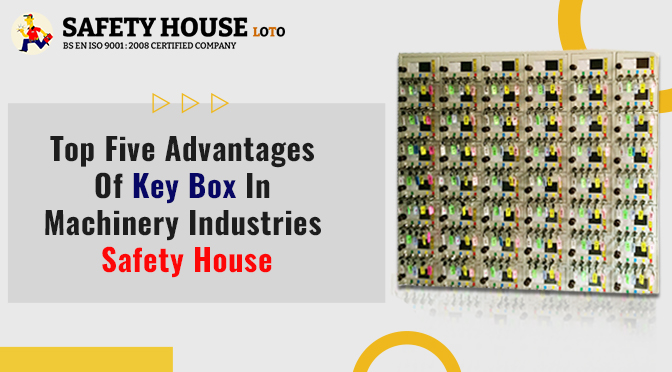
Top Five Advantages Of The Key Box In Machinery Industries
Do you need to increase security for industrial equipment? Are you seeking the best way to store keys at work safely? If yes, your solution is Key Box. It is a cabinet with many small compartments and hooks, providing employers with a better key management solution. In addition, various technicians, employees, and units use key boxes to increase the safety of expensive machinery because of its flexibility. It enables the worker to attach or remove the key of every lock without difficulty. The numerous benefits of using key boxes make them integral part in the machinery industry.
Let’s see The Outstanding Advantages Of Key Boxes Cabinet:
1. Track Keys Effortlessly
Keeping track of keys in the workspace is one of the most important advantage of key box. They should check in and out when locking machines, vehicles, rooms and equipment. On the other hand, workers can keep keys secure and well-organized through key boxes.
2. Trouble-Free Key Management
Keeping all keys secure without having to carry them is easy with key boxes. If you need to manage multiple keys, place them in a single location and mix them up. This tool’s manual key management is hassle-free, even if you have to manage hundreds of keys.
3. Organize Bunches Of Keys
If you plan to store many keys, key boxes are the most suitable choice because they have a sturdy body and plenty of hooks. It enables you to easily store large ranges of keys and organize them clearly. Besides, key boxes are fire resistant, so it is safe to hold keys without harm.
4. Offer High Transparency
Having a glass front on key boxes makes key management more accessible. Employees can access the key in their workspace without confusion. Without opening the key cabinet, the supervisor can check whether the employee has returned the machine key or not.
5. Cost-Effective
When compared to other key management methods, key boxes cabinet are budget-friendly that suits machinery industries. It provides a solid key storage solution with flexible key bars, letting you store keys in various sizes and shapes. In addition, it is an excellent option to keep the spare key protected.
You can purchase the product from a SAFETY HOUSE LOTO, if you want to use your company’s key boxes. They provide various lockout products such as key boxes, lockout station group boxes, key cabinets, and much more. All products are constructed based on the industry standard to get the quality lockout product for your business.
