All posts by blog

Understanding Scaffold Tag Colors: Green, Yellow, and Red Explained

Introduction to Scaffold Tagging

Scaffold tag are a critical component of workplace safety, providing clear visual indicators about the condition and usability of scaffolding on construction sites. These tags serve as quick reference points for workers, supervisors, and safety officers, helping prevent accidents and ensure compliance with safety regulations.

Color-coded scaffold tags play an essential role in this system. By quickly identifying the status of a scaffold through a simple color system, workers can make informed decisions about whether a scaffold is safe to use, needs caution, or must be avoided entirely. At Safet House Loto, we emphasize the use of scaffold tags as part of a broader safety strategy, complementing Lockout Tagout devices to maintain a safe working environment.


The Meaning of Green Scaffold Tags

A green scaffolding tag is the universal signal for safety. When you see a green tag, it indicates that the scaffold has passed all inspections and is considered safe for use.

Criteria for issuing a green tag include:

  • Completion of a thorough scaffolding inspection.
  • No visible defects or structural issues.
  • Confirmation that all components meet regulatory safety standards.

Maintaining a green status requires regular inspections. Workers and supervisors should ensure scaffolds are checked frequently, particularly after adverse weather conditions, modifications, or heavy use. These inspections help keep the site safe and reinforce a culture of accountability.

Tip: Pairing scaffold tags with proper documentation ensures that everyone on-site is aware of scaffold safety status, reducing the likelihood of accidents.


The Meaning of Yellow Scaffold Tags

Yellow scaffold tags indicate caution or restricted use. These tags alert workers that while the scaffold may be usable, it has minor issues that require attention.

Common reasons scaffolds receive yellow tags include:

  • Loose or missing components that do not immediately compromise safety.
  • Scaffolds requiring minor maintenance or adjustments.
  • Temporary structural concerns that need monitoring.

When encountering a yellow-tagged scaffold, workers should:

  1. Review the scaffold inspection notes carefully.
  2. Limit the load or use of the scaffold as instructed.
  3. Report any changes in condition immediately to supervisors.

Yellow tags are an early warning system. They allow work to continue safely while addressing minor issues before they escalate into major hazards. At Safet House Loto, using scaffolding inspection tags ensures everyone is aware of these cautions in real time.


The Meaning of Red Scaffold Tags

Red scaffold tags signal danger. A scaffold with a red tag must not be used under any circumstances.

Conditions that typically lead to a red tag include:

  • Structural failure or major damage.
  • Unsafe assembly or missing critical components.
  • Exposure to environmental hazards that compromise integrity.

Procedures to follow for red-tagged scaffolds:

  • Restrict access immediately and ensure all personnel are informed.
  • Document the scaffold’s condition clearly.
  • Schedule repairs or dismantling before resuming any work.

Red tags act as a critical safety checkpoint. Ignoring a red tag can result in serious injuries or fatalities, highlighting why scaffolding tags are indispensable in workplace safety programs.


How Scaffold Tag Colors Enhance Workplace Safety

Using green, yellow, and red scaffold tags significantly improves safety outcomes on construction sites:

  • Preventing accidents and injuries: Clear visual indicators allow workers to make informed decisions and avoid hazardous scaffolds.
  • Promoting regulatory compliance: Scaffold tags align with OSHA and other occupational health standards, ensuring proper safety procedures are followed.
  • Efficient communication: Tags serve as an instant, universal language, reducing confusion and increasing accountability.

By integrating scaffold tags with Lockout tagout devices, companies like Safet House Loto create a layered safety system that protects both workers and equipment.


Best Practices for Scaffold Tagging

To maximize the effectiveness of scaffold tags, follow these best practices:

  • Regular inspections and documentation: Conduct frequent checks and record the status of scaffolds to maintain safety transparency.
  • Training workers: Ensure all personnel understand the meaning of each color-coded tag and how to respond appropriately.
  • Coordination with supervisors and safety officers: Effective communication ensures issues are resolved promptly and safely.

Proper use of scaffolding inspection tags not only protects workers but also improves operational efficiency by preventing downtime caused by unsafe scaffolds.


Conclusion

Scaffold tags—green, yellow, and red—are essential tools for maintaining safety on construction sites. They provide clear, visual communication about scaffold status, helping prevent accidents and ensuring compliance with safety regulations.

At Safet House Loto, we emphasize the importance of scaffold tags, alongside Lockout products, to create a safer work environment. By consistently using and understanding scaffold tags, workers can confidently navigate construction sites while minimizing risk.

Remember, safety starts with awareness. Understanding and respecting scaffold tags is a simple but powerful way to protect lives and maintain operational efficiency.

LOTO Tags vs. Lockout Devices: Understanding the Difference

In industrial and workplace settings, ensuring the safety of employees around machinery and equipment is paramount. One of the most effective safety practices in this regard is the Lockout/Tagout (LOTO) system. Safety House LOTO emphasizes the importance of proper LOTO implementation to prevent accidents, injuries, and fatalities. However, there is often confusion between LOTO tags and lockout devices, two key components of this safety procedure. Understanding the difference between them is crucial for workplace safety compliance and efficiency.

What is Lockout/Tagout (LOTO)?

Before diving into the specifics, it’s essential to understand what LOTO entails. Lockout/Tagout refers to a safety procedure used to ensure that machines and equipment are properly shut off and cannot be started up again before maintenance or servicing is complete. LOTO procedures are critical in preventing accidental energization, which could lead to serious injuries or even death.

The two main components of LOTO are:

  1. Lockout devices – physical locks used to isolate energy sources. 
  2. LOTO tags – warning tags that indicate a machine is under maintenance and should not be operated. 

While they work together, their purposes and applications differ significantly.

What Are LOTO Tags?

LOTO tags are visual warning indicators attached to machinery or energy-isolating devices. They do not physically prevent the operation of equipment; instead, they communicate crucial information about the status of the machinery.

Key features of LOTO tags include:

  • Warning Information: Lockout tags display warnings such as “Do Not Operate” and include details like the name of the person performing maintenance, date, and reason for lockout. 
  • Durability: Made from durable materials, LOTO tags are designed to withstand harsh industrial environments. 
  • Compliance: Using proper LOTO tag is often a legal requirement under occupational safety regulations. 

LOTO tags serve as an essential communication tool. They ensure that anyone approaching the equipment understands that it is under maintenance and should not be operated.

What Are Lockout Devices?

Lockout devices are physical devices that secure energy-isolating equipment, such as circuit breakers, valves, or switches, in the “off” position. Unlike tags, lockout devices prevent machinery from being accidentally energized.

Common types of lockout devices include:

  • Padlocks: The most widely used lockout device, padlocks prevent unauthorized access to energy sources. 
  • Valve Lockouts: These devices secure valves to prevent the flow of liquids or gases during maintenance. 
  • Circuit Breaker Lockouts: These lock devices ensure electrical circuits remain de-energized during servicing. 
  • Plug Lockouts: These prevent electrical plugs from being inserted into live outlets. 

By physically isolating the energy source, lockout devices provide a higher level of safety compared to tags alone.

Key Differences Between LOTO Tags and Lockout Devices

Understanding the distinction between LOTO tags and lockout devices is essential for effective workplace safety. Here are the main differences:

Feature LOTO Tags Lockout Devices
Function Provides a visual warning Physically prevents operation
Safety Level Informational Physical isolation, higher safety
Usage Attached to machines or energy sources Used on switches, valves, circuit breakers, and plugs
Compliance Requirement Mandatory in most LOTO procedures Mandatory for effective lockout

It is important to note that LOTO tags do not replace lockout devices. They are most effective when used together: lockout devices prevent accidental operation, and LOTO tags communicate critical information to workers.

Best Practices for Using LOTO Tags and Devices

For optimal safety, follow these best practices recommended by Safety House LOTO:

  1. Train Employees: Ensure all workers understand the difference between LOTO tags and lockout devices and know how to use them correctly. 
  2. Use Durable Tags and Devices: Industrial environments can be harsh; choose tags and lockout devices that can withstand weather, chemicals, and mechanical wear. 
  3. Clear Information: LOTO tags should include the technician’s name, date, and reason for lockout to avoid confusion. 
  4. Regular Inspections: Periodically inspect lockout devices and tags to ensure they are in good condition and compliant with safety standards. 
  5. Follow Standard Procedures: Adhere strictly to company and legal LOTO procedures to prevent accidents. 

Why Safety House LOTO Recommends Combining Both

While LOTO tag are critical for communication, they cannot physically stop machinery from being turned on. Lockout devices, on the other hand, provide the physical barrier needed to isolate energy. Combining both ensures a comprehensive approach:

  • Maximum Safety: Workers are visually warned and physically prevented from accidental operation. 
  • Regulatory Compliance: Many occupational safety regulations mandate the use of both tags and lockout devices. 
  • Reduced Accidents: Studies show that proper LOTO procedures significantly reduce workplace injuries during maintenance. 

Conclusion

In conclusion, LOTO tags and lockout devices are both essential components of a robust Lockout/Tagout program. While LOTO tag provide vital communication to workers, lockout devices physically prevent equipment from being operated. Safety House LOTO emphasizes using both in tandem for maximum workplace safety and compliance. By understanding their differences and implementing best practices, businesses can protect their employees, reduce accidents, and maintain regulatory compliance.

Proper use of LOTO tags and lockout devices is not just a legal requirement; it’s a commitment to creating a safe and responsible workplace.

How to Train Employees on the Correct Use of LOTO Tags

1. Introduction: Why LOTO Training Matters

Workplace safety is non-negotiable, especially in industries where employees work with heavy machinery, electrical systems, or high-risk equipment. One of the most effective safety practices is the use of LOTO tags (Lockout/Tagout). Properly training employees on how to apply, understand, and respect these tags not only prevents accidents but also helps companies stay compliant with safety regulations.

At Safety House Loto, we believe that when employees know how to use of LOTO tags correctly, they can actively reduce the risk of injuries and ensure a safer work environment.


2. Understanding Lockout/Tagout (LOTO) Basics

What are LOTO tags?use

LOTO tags are warning devices placed on energy-isolating devices to indicate that equipment is locked out for maintenance or servicing. These tags prevent anyone from accidentally starting or energizing the equipment.

Difference between lockout devices and tagout devices

  • Lockout devices: Physically secure energy sources with padlocks or lockout hasps.

  • Tagout devices (LOTO tags): Serve as visible warnings that equipment should not be operated until tags are removed by an authorized person.

Key OSHA (or regional) compliance requirements

In many countries, including OSHA standards in the U.S., the proper use of LOTO tags is a legal requirement. Employers must ensure that employees understand and follow lockout/tagout procedures as part of their safety program.


3. Common Risks of Improper LOTO Usage

Failing to use of LOTO tags correctly can lead to:

  • Equipment-related hazards – Sudden startups during maintenance can cause severe injuries.

  • Human errors – Employees forgetting to tag or improperly tagging equipment can compromise safety.

  • Legal and financial liabilities – Non-compliance with safety standards can result in hefty fines and lawsuits.


4. Steps to Train Employees Effectively on LOTO Tags

Training employees on the correct use of LOTO tags requires a structured approach:

  • Step 1: Provide a clear overview of LOTO policies – Introduce company policies, OSHA guidelines, and the role of LOTO tags in preventing accidents.

  • Step 2: Demonstrate proper application of LOTO tags – Show employees exactly how to place, label, and secure tags.

  • Step 3: Role-based training – Train authorized employees on applying/removing LOTO tags, while affected employees must learn to recognize and respect them.

  • Step 4: Hands-on practice sessions – Allow workers to practice tagging equipment under supervision.

  • Step 5: Regular safety drills and refreshers – Conduct periodic drills to reinforce learning and ensure no steps are skipped.


5. Best Practices for LOTO Tag Training

To make training more impactful:

  • Use real-life case studies of incidents caused by improper tag use.

  • Incorporate visual aids and interactive demonstrations for better understanding.

  • Highlight the do’s and don’ts of tag usage.

  • Create checklists so employees can easily follow procedures without missing steps.


6. Tools and Resources for Effective Training

Providing the right tools makes LOTO training more effective. Companies can use:

  • Training manuals and visual guides with clear instructions.

  • Digital platforms and e-learning modules for remote training.

  • On-site workshops and peer learning programs to build confidence in real scenarios.


7. Measuring the Effectiveness of LOTO Training

Training doesn’t end after one session. Employers must evaluate its effectiveness by:

  • Conducting quizzes and assessments to test knowledge retention.

  • Observing on-the-job application of lockout/tagout procedures.

  • Tracking safety metrics such as reduction in accidents and compliance audit scores.


8. Common Mistakes Employees Make with LOTO Tags (and How to Fix Them)

Even after training, mistakes can happen. Common ones include:

  • Mislabeling or unclear tagging – Always ensure tags are legible and specific.

  • Skipping steps in the procedure – Reinforce checklist usage to avoid errors.

  • Removing tags without authorization – Train employees that only the person who placed the tag can remove it.


9. Building a Strong Safety Culture Around LOTO

Training alone isn’t enough; companies must foster a culture where safety comes first. This involves:

  • Encouraging accountability – Every employee must take responsibility for safe practices.

  • Role of supervisors and safety managers – Leaders must set an example by enforcing compliance.

  • Recognition and rewards – Appreciating employees for following procedures builds motivation.

Conclusion

Training employees on the correct use of LOTO tags is one of the most effective ways to reduce workplace accidents and ensure compliance with safety regulations. By combining structured training, regular refreshers, and a strong safety culture, companies can make lockout/tagout practices second nature to employees.

At Safety House Loto, we provide a wide range of Lockout Tagout products, scaffold tag systems, and safety training solutions to help organizations strengthen their workplace safety programs.

Looking to enhance your team’s safety training with reliable LOTO tags and lockout tagout products?


👉 Get in touch with Safety House Loto today and equip your workplace with the right tools for accident-free operations.

Beyond the Hasp: Why Your Group Lockout Box is More Than Just a Container

When it comes to industrial safety, few tools are as overlooked yet as critical as the Group Lockout Box. For many workplaces, this piece of equipment might appear to be nothing more than a metal container. But in reality, it plays a powerful role in ensuring compliance, streamlining safety protocols, and protecting lives. At Safety House Loto, we believe that a  Lockout Box is not just about securing keys—it’s about reinforcing a culture of accountability and teamwork.


What is a Group Lockout Box?

A Group Lockout Box is a central control system designed to store keys from lockout points during maintenance or servicing. Instead of each worker individually locking every energy source, the authorized keys are placed inside the box. Workers then apply their personal locks to the box itself, ensuring no one can access the keys until every lock is removed.

This method provides:

  • Efficiency: One-time isolation of energy points.
  • Accountability: Every worker is responsible for locking the box.
  • Safety: No equipment can be re-energized until the last worker’s lock is removed.

“Think of your Group Lockout Box not just as a container, but as a vault of trust—every lock on it is a worker’s voice saying, ‘I am safe to work.’”


Why Your Group Lockout Box is More Than a Storage Tool

1. Reinforcing Safety Culture

The very act of locking a  Lockout Box brings workers together under a shared responsibility. It builds trust and ensures that everyone involved in maintenance or repair is equally protected. This unity reduces the risk of oversight and promotes safety as a team effort.

2. Simplifying Complex Lockouts

In facilities with multiple machines, locking each energy point can be time-consuming. The Group Lockout Boxes streamlines the process: once all keys are secured inside, workers only need to add their locks to the box, saving time without compromising safety.

3. Ensuring Compliance with Standards

OSHA and other global safety standards require stringent lockout/tagout procedures. Using a  Lockout Box helps companies comply by providing clear, documented control over hazardous energy. A proper system reduces liability and demonstrates due diligence during audits.


Group Lockout Box vs. Traditional Methods

Traditional lockout methods often require every worker to apply locks on every energy point. In contrast, the Best Group Lockout Box consolidates this process into one centralized location.

Advantages of using a Group Lockout Box:

  • Reduces clutter at the machine.
  • Increases clarity on who is working.
  • Saves time in large-scale shutdowns.
  • Provides a tamper-proof method to store isolation keys.


Integration with Other Lockout Devices

A Group Lockout Box is not a standalone solution; it works in harmony with other lockout devices such as valve lockouts, electrical lockouts, and hasps. The synergy ensures that every energy source is controlled before work begins. While the box keeps the keys safe, lockout devices keep the energy sources securely isolated.

This integration guarantees that even in high-risk environments, workers remain protected from unexpected startups or energy releases.


Features That Make a Group Lockout Box Indispensable

  1. Durability – Heavy-duty construction to withstand industrial environments.
  2. Visibility – Transparent windows or bold labeling for easy identification.
  3. Capacity – Ability to hold multiple keys for large-scale operations.
  4. Flexibility – Portable and wall-mounted options to fit different workplace needs.


Why Industries in India Rely on Group Lockout Box Solutions

From power plants to manufacturing units, industries are realizing that investing in a Lockout Box is an investment in people. With increasing awareness about workplace safety, companies across India are turning to trusted suppliers like Safety House Loto to provide high-quality, customizable lockout solutions.

The right Lockout Box doesn’t just safeguard equipment—it saves lives, prevents downtime, and creates an environment where workers can focus on tasks without fear.


The Real Value Lies in Accountability

What makes the  Lockout Box powerful is not just its steel body or design but the principle it upholds. Every lock attached by a worker represents their physical presence and their right to return home safe. Without all locks removed, no machine can be restarted—making it an unbreakable chain of accountability.


Final Thoughts

A Group Lockout Box is not just a container; it’s the heart of a well-executed lockout/tagout system. It ensures safety, simplifies processes, and reinforces the trust between employers and employees. Paired with reliable lockout devices, it becomes a comprehensive safeguard against industrial hazards.

At Safety House Loto, we understand that workplace safety is non-negotiable. That’s why we provide high-quality, durable, and compliant  Lockout Boxes solution tailored to industrial needs. Because beyond the hasp, what truly matters is the safety of every worker.

Color Codes and Markings: Decoding LOTO Tags Standards for Easy Identification

Workplace safety is a responsibility shared by every organization, especially in industries where workers interact with heavy machinery, electrical systems, and elevated structures. One of the most effective safety practices followed globally is Lockout Tagout (LOTO Tags). This procedure ensures that equipment is properly shut down and cannot be restarted until maintenance or repair work is safely completed.

While lockout devices keep machines physically inoperable, LOTO tag play a critical role in communicating vital information to workers. Their colors, markings, and design standards are not arbitrary—they are carefully developed to convey warnings, instructions, and identification cues instantly. This blog explores how color codes and markings are used in LOTO tags, their significance, and how they contribute to workplace safety in alignment with standards practiced by Safety House LOTO.


Why LOTO Tags Are Important

In any lockout tagout program, physical locks prevent machinery from accidental operation, but tags add an essential communication layer. They:

  • Warn others not to attempt machine operation. 
  • Identify who placed the lockout device. 
  • Indicate the reason for lockout (maintenance, electrical hazard, etc.). 
  • Provide contact details for responsible personnel. 

Without these tags, workers may be unaware of ongoing maintenance activities, leading to potential hazards. That’s why industry standards emphasize the visibility, durability, and readability of every tag used.


Color Coding in LOTO Tags

The effectiveness of LOTO tags depends largely on their ability to grab attention. Colors are universally understood signals, and their standardization helps workers quickly recognize the level of caution required.

1. Red – Danger

The most commonly used color in Lockout Tagout products, red indicates immediate danger. Tags with a red background often feature bold text such as “Do Not Operate” or “Danger.” These are typically used when servicing machinery poses a severe risk of injury or death.

2. Yellow – Caution

Yellow tags serve as a warning for potential hazards that may not be immediately life-threatening but still require careful attention. For example, equipment that may be partially functional but unsafe to use until a specific check is completed.

3. Green – Safety Information

Green is often associated with safety or “all clear” messages. In the context of LOTO, green tags may indicate that maintenance has been completed and equipment is ready for use—though this is always confirmed by authorized personnel.

4. Blue – Information / Out of Service

Blue tags are widely used for informational purposes, such as identifying equipment that is out of service but not necessarily dangerous. They help prevent confusion between machinery awaiting repair and equipment under active lockout.

5. Other Colors for Special Applications

Some industries adopt additional colors for specific needs. For example, orange may be used for tags related to electrical hazards, while white tags are sometimes applied for general instructions or notes.


Markings and Information on LOTO Tags

Color is just one part of effective identification. Standardized markings ensure that the purpose of each tag is immediately clear. Common features include:

  • Signal Words: “DANGER,” “WARNING,” or “CAUTION,” depending on the hazard level. 
  • Pictograms: Visual hazard symbols (like electrical shock icons) to support instant recognition. 
  • Identification Details: Space for worker name, department, contact number, and date of lockout. 
  • Durability Notes: Tags must be resistant to tearing, moisture, and chemicals to remain readable in harsh environments. 

By combining color and markings, LOTO tags create an unmistakable communication tool that reduces the risk of accidental equipment use.


LOTO Tags Beyond Machinery – The Role of Scaffold Tags

LOTO practices are not limited to machinery. Scaffold tags are another important safety product used to ensure worker protection in construction and maintenance projects. Just like lockout tags, scaffold tags rely on color coding to communicate critical safety information:

  • Red Scaffold Tag: Indicates the scaffold is unsafe and must not be used. 
  • Yellow Scaffold Tag: Cautionary tag used when certain precautions are required before use. 
  • Green Scaffold Tag: Confirms that the scaffold has been inspected and is safe for workers. 

This system mirrors the philosophy behind LOTO tags: quick, clear communication through standardized visual cues.


Compliance and Best Practices

Organizations using Lockout Tagout Devices must follow OSHA (Occupational Safety and Health Administration) or equivalent safety authority standards. Some best practices for using tags effectively include:

  • Always use tags made of durable, weather-resistant materials. 
  • Ensure tags are securely attached and cannot be removed unintentionally. 
  • Train employees on the meaning of different color codes and markings. 
  • Never reuse a damaged or faded tag—clarity is non-negotiable. 
  • Keep consistency across facilities so workers are never confused by variations. 

At Safety House LOTO, tags are designed with durability, compliance, and clear identification in mind, ensuring they stand up to the toughest industrial conditions.


The Human Factor in Tagging Systems

While tags and locks are physical safety products, their effectiveness ultimately relies on human understanding and discipline. Workers must be trained not only in how to apply tags but also in respecting them. Removing or ignoring a tag can result in severe accidents.

Encouraging a culture where every employee values the meaning of a tag ensures that these safety systems are not just compliance tools but genuine life-saving measures.


Conclusion

LOTO tags are more than just labels—they are essential tools for preventing workplace accidents. By following standardized color codes and markings, industries ensure that every worker can quickly recognize hazards, instructions, and safety status at a glance. Whether applied to heavy machinery or as scaffold tags on construction sites, the principles remain the same: clarity, durability, and visibility.

When paired with reliable Lockout Tagout products, these tags create a robust system that not only meets compliance requirements but also protects lives. Companies like Safety House LOTO play a crucial role in making workplaces safer by delivering high-quality tagging solutions that meet global standards.

In the end, decoding LOTO tag standards is not just about understanding colors and symbols—it’s about ensuring every worker goes home safe.

Portable vs. Stationary LOTO Kits: Which is Right for Your Business?

In modern industries, ensuring worker safety is not just a regulatory requirement—it’s a commitment to productivity, trust, and long-term growth. One of the most effective safety measures is implementing a LOTO Kit (Lockout Tagout Kit) that prevents accidental machine startups during maintenance. But the question most safety managers face is: Should we invest in portable LOTO kits or opt for stationary setups?

At Safety House Loto, we understand that no two businesses are alike. The right choice depends on your operational environment, workforce mobility, and scale of operations. Let’s break down both options and help you decide which fits your business best.

Understanding the Difference

  • Portable LOTO Kit
    Compact, lightweight, and designed for mobility. Ideal for technicians who move across multiple job sites or need quick access to tools. 
  • Stationary LOTO Kit
    Installed in a fixed location, often wall-mounted, with organized storage for lockout devices. Best suited for large plants where equipment maintenance happens in a centralized manner. 

Both options are designed to enforce compliance and prevent accidents—but choosing wisely can optimize efficiency and safety.


Advantages of Portable LOTO Kits

  1. Flexibility on the Move
    For industries with mobile teams—like utilities, construction, or service contractors—a portable LOTO Kit ensures technicians always have the right tools at hand. 
  2. Compact and Organized
    These kits often include essentials like Lockout Padlocks, hasps, and tags in a single, easy-to-carry case. 
  3. Adaptable Across Work Environments
    Portable kits are ideal for businesses operating in varied climates and terrains, making them a preferred choice for field-based work. 

💡 Hook:  portable kits adapt effortlessly to such diverse requirements.


Advantages of Stationary LOTO Kits

  1. Centralized Safety Hub
    Stationary kits act as a safety control point, where all employees can access lockout devices when needed. 
  2. Organized with Smart Storage
    Many stationary solutions include features like a key box for lock management, ensuring accountability and easy retrieval. 
  3. Scalable for Larger Operations
    For factories or plants running multiple shifts, a stationary LOTO Kit ensures consistency and readiness without relying on individual employees to carry their own tools. 


The Role of Innovations in LOTO Systems

The choice between portable and stationary solutions is no longer limited to convenience. Today, innovations are reshaping how businesses view lockout solutions:

  • Smart Racking Systems: Help in organizing devices within stationary kits for quick accessibility. 
  • Automated Retrieval: Digital systems integrated into stationary setups that track and release lockout devices with precision. 
  • Modular Systems: Both portable and stationary kits can now be customized based on the size of the team and type of machinery. 

These innovations make both portable and stationary LOTO Kit solutions smarter, more efficient, and future-ready.


Key Factors to Consider Before Choosing

When deciding which type of LOTO Kit suits your business, consider the following:

  1. Nature of Work 
    • Mobile workforce → Portable Kit 
    • Fixed plant operations → Stationary Kit 
  2. Workforce Size 
    • Small teams → Portable Kit is more practical. 
    • Large workforce → Stationary Kit ensures consistency. 
  3. Frequency of Use 
    • Occasional maintenance → Portable Kit 
    • Regular lockouts → Stationary Kit with Lockout Kit accessories like tags and Lockout Padlocks. 
  4. Compliance and Training
    Regardless of your choice, training employees on correct usage is critical. 


Why Choose Safety House Loto?

As a trusted safety solutions provider, Safety House Loto offers both portable and stationary LOTO Kit solutions tailored to your industry. From simple Lockout Kits for field operations to advanced stationary setups with key boxes and smart innovations, we provide end-to-end solutions that align with global safety standards.

Our products are engineered for durability, usability, and adaptability—whether you’re securing heavy industrial machinery or conducting routine service checks in dynamic environments.


Conclusion: Striking the Balance

The decision between portable and stationary LOTO Kit solutions ultimately depends on your operational style. Portable kits offer unmatched flexibility for mobile teams, while stationary kits provide robust, centralized control for large plants. With ongoing innovations like modular systems and automated retrieval, both options are becoming increasingly powerful.

The most important factor is commitment to safety. By choosing the right LOTO Kit, your business not only ensures compliance but also builds a culture of protection, efficiency, and trust.

Whether you’re leaning towards portable convenience or stationary reliability, Safety House Loto ensures you have access to world-class safety solution.


Creating a Custom LOTO Kit: What to Include for Your Unique Facility Needs

Lockout/Tagout (LOTO) is a crucial safety practice in any industrial or manufacturing environment. It ensures that energy sources are effectively isolated during maintenance or repair, preventing accidental equipment startups and safeguarding workers. While standard kits are available in the market, not every facility has identical equipment or operational requirements. Creating a custom LOTO kit allows you to tailor safety solutions for your unique needs, ensuring compliance with safety standards and improving on-site efficiency.

In this blog, we’ll explore the essentials of building a personalized Lockout Kit, what to consider while selecting components, and how partnering with a reliable lockout supplier can make the process seamless.


Why Customize Your LOTO Kit?

A generic LOTO kit may not always align with the specific machines, energy sources, or workflows in your facility. Customizing your kit ensures:

  • Better Compatibility: Each machine may require different devices (valve lockouts, breaker lockouts, etc.). A custom kit ensures everything fits properly.
  • Improved Safety Compliance: OSHA and other local safety guidelines often require facility-specific procedures. Tailored kits help meet these requirements.
  • Enhanced Accessibility: Workers spend less time searching for the right lockout tools when the kit is designed around their daily needs.
  • Cost-Effectiveness: You avoid purchasing unnecessary components and invest only in what your facility truly requires.


Assessing Your Facility’s Lockout Needs

Before putting together a custom LOTO kit, conduct a thorough hazard assessment:

  1. Identify All Energy Sources
    List every type of energy present—electrical, mechanical, hydraulic, pneumatic, chemical, or thermal. This determines what kind of lockout devices you need.
  2. Audit Equipment and Isolation Points
    Document isolation points for each machine. For example, do you have large gate valves, miniature circuit breakers, or plug connections?
  3. Evaluate Workforce Requirements
    How many employees perform maintenance simultaneously? This influences the number of padlocks, tags, and hasps needed in your kit.
  4. Review Compliance Standards
    Refer to OSHA 29 CFR 1910.147 or equivalent regional standards to ensure your kit aligns with legal obligations.


Essential Components of a Custom Lockout Kit

While customization is key, some components are fundamental to any Lockout Kit. Here’s what your kit should include:

1. Lockout Padlocks

  • Purpose: Physically secure isolation points to prevent accidental re-energization.
  • Features to Consider:
    • Non-conductive or stainless-steel bodies for durability.
    • Color-coded options for identifying users or departments.
    • Unique keying systems (keyed alike, differently, or master-keyed).

2. Lockout Hasps

  • Purpose: Allow multiple workers to lock a single isolation point simultaneously.
  • Types:
    • Steel hasps for rugged industrial environments.
    • Nylon hasps for non-conductive applications.

3. Circuit Breaker Lockouts

  • Purpose: Prevent accidental activation of circuit breakers during electrical maintenance.
  • Variants: Clamp-on, snap-on, and universal designs depending on breaker size and configuration.

4. Valve Lockouts

  • Purpose: Secure valves controlling hydraulic, pneumatic, or chemical energy.
  • Types:
    • Ball valve lockouts
    • Gate valve lockouts
    • Butterfly valve lockouts

5. Cable Lockouts

  • Purpose: Versatile devices that can lock out multiple points or irregularly shaped handles.

6. Lockout Tags

  • Purpose: Provide critical information such as the reason for lockout, name of the person performing maintenance, and expected completion time.
  • Material Consideration: Weather-resistant and tear-proof tags enhance durability.

7. Group Lockout Boxes

  • Purpose: Centralize lockout keys when multiple workers are involved in a single maintenance operation, ensuring no single person can remove locks prematurely.

8. Portable Storage Solutions

  • Purpose: Carrying cases, pouches, or wall-mounted boards help keep the kit organized and accessible near work areas.


Tailoring the Kit to Your Industry

Different industries have unique energy isolation challenges. Here are examples of customization:

  • Manufacturing Plants: Often require a higher volume of circuit breaker lockouts and valve devices.
  • Food & Beverage Facilities: Non-corrosive and sanitary materials (like stainless steel) are critical.
  • Oil & Gas Sector: Explosion-proof or weather-resistant components are necessary for outdoor use.
  • Automotive Workshops: Portable and compact kits for maintenance on dispersed equipment.


Choosing the Right Lockout Supplier

The quality and reliability of your lockout kit depend heavily on the supplier you choose. Here’s what to look for:

  • Compliance Assurance: Ensure the supplier provides OSHA-compliant products.
  • Customization Support: A good supplier assists in creating tailored kits based on your facility audit.
  • Durability and Quality: Industrial environments demand rugged, high-quality devices.
  • Training and Support: Some suppliers also provide lockout/tagout training for employees, which can significantly enhance safety culture.

Safety House Loto, for example, is a trusted name in the industry known for delivering durable lockout solutions and supporting companies in building both standard and customized kits.


Maintaining and Reviewing Your LOTO Kit

Building the kit is just the first step. To ensure continued effectiveness:

  1. Regular Inspections
    Check for wear and tear, missing components, or damaged tags.
  2. Update as Equipment Changes
    Add or modify devices whenever new machines or processes are introduced.
  3. Train Employees
    Ensure all authorized personnel know how to use the devices in the kit properly.
  4. Audit Annually
    Conduct yearly reviews to confirm compliance with evolving safety regulations and workplace changes.


Final Thoughts

A custom LOTO kit is more than just a collection of tools—it’s a crucial part of your facility’s safety culture. By tailoring the kit to your unique equipment and workforce, you not only meet compliance standards but also foster a safer, more efficient work environment. Partnering with a reputable lockout supplier like Safety House Loto ensures that every component in your kit is reliable, compliant, and suited to your operational needs.

Investing time in building and maintaining the right kit today can prevent accidents, protect workers, and save your organization from costly downtime tomorrow.

Ready to design a LOTO kit that fits your facility perfectly?
Contact Safety House Loto today to get expert guidance and high-quality lockout solutions tailored to your requirements.


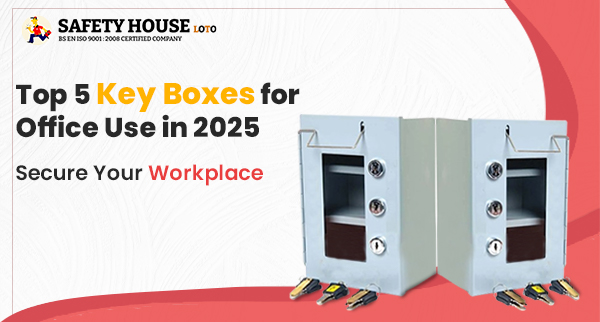
Top 5 Key Box for Office Use in 2025: Secure Your Workplace

In today’s digitally connected but physically active workspaces, managing physical keys is still a critical task. Offices, factories, and corporate setups all deal with various keys — whether for lockers, cabinets, server rooms, or industrial machinery. A key box for office use helps maintain control, increase accountability, and ensure quick access in emergencies.

A well-organized key cabinet not only improves operational efficiency but also supports safety protocols such as Lockout Tagout (LOTO). If your office or facility is looking to upgrade its access control measures in 2025, this guide will walk you through the best options available and help you choose the right solution for your workplace.


Why Every Office Needs a Key Box

The concept of a Key Box for Office might seem simple, but its benefits are wide-ranging:

  • Security: Prevent unauthorized access to sensitive areas. 
  • Organization: Track, label, and audit who accessed which key and when. 
  • Safety Compliance: For facilities that follow Lockout kit procedures, key boxes play an important role in storing lockout keys safely. 
  • Efficiency: Reduce time spent searching for lost or misplaced keys. 

Whether you operate a coworking space, IT office, warehouse, or manufacturing unit, using the right key cabinet contributes significantly to control and compliance.


Top Features to Consider in 2025

Before selecting a Key Box for Office, here are a few features that are must-haves in modern office setups:

  • Build Quality: Powder-coated steel or reinforced metal for durability. 
  • Capacity: Options vary from 10 to 100+ key slots based on need. 
  • Lock Mechanism: Choose from key-lock, combination, or digital locks. 
  • Ease of Use: Numbered hooks, key tags, and index cards improve usability. 
  • Visibility: Transparent doors help identify if a key is missing at a glance. 
  • LOTO Compatibility: Especially important in industrial settings. 

Let’s explore the top 5 key boxes that stand out in 2025.


1. 50-Key Lockable Steel Cabinet

Ideal for growing offices and administrative areas, this mid-sized key cabinet balances capacity with accessibility. It includes 50 numbered hooks, durable construction, and a tamper-resistant lock.

Key Features:

  • Powder-coated steel frame. 
  • Includes pre-labeled key tags and an index card. 
  • Wall mountable for secure placement. 
  • Best suited for general office or facility management. 

This model provides a robust solution for businesses with multiple departments or shared storage areas.


  1. Digital Key Box with Touchscreen Keypad

Blending smart technology with physical access control, this digital Key Box for Office offers secure access through a PIN-enabled keypad. It’s ideal for offices where multiple users need controlled and trackable access.

Key Features:

  • Stores 30–40 keys. 
  • Programmable PIN access for individual users. 
  • Includes battery backup and low-power warning. 
  • Optional audit trail for tracking usage. 

Perfect for tech offices, data centers, and HR departments managing sensitive access points.


3. Compact 20-Key Cabinet for Departmental Use

For smaller teams or individual departments, a compact key box with 20 slots is an excellent fit. It is simple, efficient, and built for everyday use.

Key Features:

  • Lightweight yet sturdy body. 
  • Key-lock mechanism with spare key included. 
  • Labeled slots and tags for easy organization. 
  • Useful in retail stores, HR offices, or inventory rooms. 

Its compatibility with LOTO kit setups makes it a good choice for maintenance teams as well.


4. Transparent Door Key Box Holder

A clear view means quicker action. This key box holder with a transparent front allows staff to see if any key is missing without opening the cabinet. It’s ideal for shared workspaces or frequently accessed zones.

Key Features:

  • Acrylic front panel with reinforced metal frame. 
  • Up to 40 slots with color-coded key tags. 
  • Combination lock or key lock option. 
  • Mountable on walls, near access points, or in reception areas. 

Highly recommended for security rooms, storage units, or warehouses where keys are in regular use.


5. Industrial Key Cabinet with LOTO Integration

Designed for industrial environments, this specialized key cabinet features slots meant specifically for lockout tagout keys. It comes with space for safety documentation, tags, and an isolation point chart.

Key Features:

  • Reinforced safety color (red/yellow) for visibility. 
  • Supports LOTO safety tags, keys, and documents. 
  • Dual-locking mechanism for added security. 
  • Ideal for engineering, maintenance, and utility control rooms. 

If your facility uses LOTO practices, this model provides a seamless storage and safety solution.


How to Maintain and Use Key Boxes Effectively

To get the most out of your key box for office use, consider these best practices:

  • Keep an Updated Log: Whether digital or physical, always track key issuance and return. 
  • Limit Access: Restrict who can unlock or manage the key cabinet. 
  • Label Clearly: Use pre-printed tags and maintain an index for reference. 
  • Train Your Staff: Ensure employees understand how to properly use and return keys. 
  • Audit Regularly: Conduct weekly or monthly checks to prevent issues before they arise. 


Choosing the Right Key Management System

Every office is different, so your choice of key box should reflect your specific needs:

  • For general use: A basic cabinet with key-lock and labeled hooks may suffice. 
  • For high-security areas: Go for digital options with programmable access. 
  • For industrial applications: Use models that support LOTO kits and safety documents. 
  • For visual tracking: Transparent door holders are practical and efficient. 

By choosing wisely, you not only improve access control but also foster a more secure, organized, and responsible workplace.

Safety House Loto: Your Partner in Office Safety

At Safety House Loto, we understand that workplace safety goes beyond just compliance. It’s about creating a culture of accountability, awareness, and control. Our range of Key Box for Office, key cabinets, and LOTO kits are designed to support businesses in achieving these goals.

We’ve served thousands of businesses across India and beyond with tailored safety solutions — from factories to IT companies. Whether you’re upgrading your current key management system or starting fresh, our team is ready to help you choose the right solution.


Final Thoughts

Choosing the right key box for office use isn’t just about storage—it’s about security, responsibility, and peace of mind. With advancing technology and growing safety standards, businesses in 2025 must invest in smart, durable, and scalable key cabinet systems.

From digital locking models to LOTO-compatible key holders, there’s a perfect solution for every business need. Start by identifying your usage, consider access frequency, and prioritize reliability. And remember, investing in the right key box holder today can prevent potential losses, delays, or even safety hazards tomorrow.

For expert assistance or to explore our full range of key cabinets and LOTO kits, connect with Safety House Loto — your trusted workplace safety partner.

LOTO Lock for Electrical Safety: Best Practices for Maintenance Teams

Electrical maintenance work presents some of the most serious hazards in industrial environments. Every year, workers suffer severe injuries or fatalities from unexpected electrical energy release during maintenance procedures. Implementing proper loto lock protocols with the right equipment forms the foundation of electrical safety, protecting maintenance teams from potentially deadly accidents.

Understanding the Critical Role of LOTO Locks

A quality loto lock serves as the primary barrier between maintenance personnel and dangerous electrical energy. Unlike standard padlocks, these specialized devices are engineered specifically for lockout applications, featuring unique keying systems, durable construction, and clear identification capabilities. The lock physically prevents circuit breakers from being energized while maintenance work occurs, creating an impenetrable safety barrier.

The consequences of inadequate lockout procedures are severe. According to safety statistics, electrical accidents account for a significant percentage of workplace fatalities, with many incidents occurring during maintenance activities. Proper lockout procedures, supported by reliable equipment, can eliminate these preventable tragedies.

Essential Features of Effective Lockout Padlocks

Durability and Material Construction

Industrial environments demand robust equipment that withstands harsh conditions. High-quality lockout padlocks feature corrosion-resistant materials, typically including hardened steel shackles and polymer bodies that resist chemicals, temperature extremes, and physical abuse. The lock mechanism itself must operate reliably even after extended exposure to dust, moisture, and vibration.

Unique Keying Systems

Every maintenance worker requires their own uniquely keyed lock to ensure individual accountability. This prevents unauthorized removal and guarantees that only the person who applied the  loto lock can remove it. Some organizations implement master keying systems for supervisory override capabilities, though this requires careful management to maintain security integrity.

Clear Identification Methods

Visual identification capabilities allow quick recognition of who applied each lock and when. Color-coding systems, engraved employee names, or photo identification tags help supervisors track lockout status at a glance. This visibility becomes crucial during shift changes or emergency situations where rapid assessment is necessary.

Selecting the Right Lockout Supplier

Quality Assurance Standards

When it comes to safety, there’s no room for compromise. Safety House Loto ensures that every product meets stringent international safety and quality standards. Our lockout/tagout devices are certified by globally recognized testing organizations and are manufactured under rigorous quality control processes. We provide complete documentation—including product specifications, test reports, and compliance certificates—so you can be confident in the integrity of every device.

Product Range and Customization

We understand that no two electrical systems are alike. That’s why we offer an extensive range of lockout solutions, including varied lock sizes, shackle lengths, and devices for specialized applications. Need tailored solutions? We also provide customization services like engraving, color coding, and unique keying options, designed to meet your specific operational requirements.

Technical Support and Training

We’re more than just a supplier—we’re your safety partner. Our team of experts brings in-depth knowledge of lockout/tagout applications and is ready to assist with selecting the right equipment for your systems. From procedural development to addressing complex lockout scenarios, Safety House Loto offers comprehensive technical support and hands-on training to ensure your workplace remains safe and compliant.

Implementation Best Practices for Maintenance Teams

1. Comprehensive Procedure Development

Effective loto lock  procedures begin with thorough energy source identification. Maintenance teams must map all electrical circuits, identify isolation points, and document step-by-step loto lock sequences. These procedures should account for stored energy, backup power systems, and interconnected circuits that might not be immediately obvious.

2. Regular Training and Competency Verification

Initial training alone is insufficient for maintaining safety standards. Regular refresher sessions, hands-on practice, and competency testing ensure that maintenance personnel retain critical skills and stay current with procedure updates. Training should cover both standard loto lock procedures and emergency response protocols.

3. Equipment Inspection and Maintenance

Even the most reliable loto lock equipment requires periodic inspection and maintenance. Establish schedules for checking lock functionality, key operation, and identification markings. Replace worn or damaged equipment immediately, as compromised locks can create false security and dangerous situations.

4. Documentation and Accountability

Maintaining detailed records of lockout activities creates accountability and helps identify improvement opportunities. Documentation should include energy source verification, lock application times, work performed, and removal authorization. This information proves valuable for procedure refinement and regulatory compliance.

Common Challenges and Solutions

Weather exposure can affect lock performance, particularly in outdoor installations. Selecting locks with appropriate environmental ratings and implementing protective measures helps maintain reliable operation. Similarly, dealing with multiple energy sources requires careful coordination and sometimes specialized lockout devices designed for complex systems.

Conclusion

Electrical maintenance safety depends on combining proper procedures with reliable equipment from trusted suppliers. Quality lockout padlocks form the cornerstone of effective energy control, protecting maintenance teams from serious injuries and fatalities. Safety House Loto remains committed to providing maintenance professionals with the tools and knowledge necessary to work safely around electrical hazards. Remember that every properly applied loto lock represents a life protected and a family kept whole.

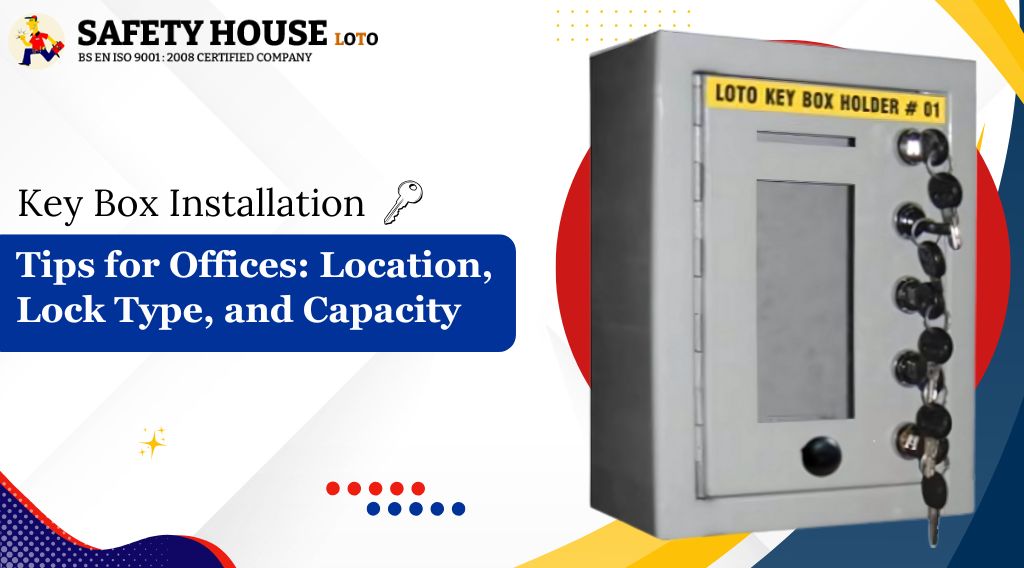
Key Box Installation Tips for Offices: Location, Lock Type, and Capacity

Managing keys and locks in an office environment can be more complex than it seems. With growing concerns around safety, compliance, and access control, having a reliable key box for office use is no longer optional—it’s essential. For companies using LOTO locks (Lockout Tagout), it becomes even more critical to ensure keys are securely stored, easily accessible to authorized personnel, and organized systematically.

In this blog, we’ll explore important tips on key box installation for offices, focusing on three core aspects: location, lock type, and capacity. These factors, when considered carefully, help ensure safety, compliance, and operational efficiency. For organizations like Safety House Loto, which cater to industrial safety solutions, these practices are especially valuable for customers seeking the right key management system.

Why Key Boxes Are Essential in Office Environments

In today’s modern workplace, access control isn’t limited to just IT systems—it applies to physical spaces, equipment, and machinery as well. Whether it’s for facility access, equipment rooms, maintenance lockers, or LOTO lock keys, a well-installed key box can streamline operations while ensuring security.

Without a proper system in place, keys can be misplaced, misused, or fall into unauthorized hands, leading to serious security breaches or compliance violations.

Choosing the Right Location for Key Box Installation

1. Accessibility vs. Security Balance

When selecting a location for a key box in an office, strike the right balance between accessibility and security. It should be easily reachable for authorized users without being exposed to general foot traffic or public areas.

Recommended locations:

  • Near the main electrical control panels or maintenance areas (especially for LOTO lock systems) 
  • Inside facility manager’s cabin or reception control desk 
  • In a controlled access room, such as a security or operations room 

2. Avoid External Wall Installations

Avoid installing key boxes on exterior-facing walls or near exit doors unless they are within a secure internal office premise. Exposed locations can increase the risk of tampering or theft.

Lock Type: Choose What Matches Your Security Needs

The locking mechanism of the key box is crucial, especially when handling LOTO locks or sensitive access keys.

1. Traditional Key Locks

These are cost-effective and simple to use but may not be ideal for high-security needs. They are best suited for smaller offices or less critical key storage.

2. Combination Locks

A step up in security, combination lock key boxes eliminate the need for managing additional keys. Ensure the combination is changed periodically and known only to authorized personnel.

3. Digital or Smart Lock Systems

Ideal for larger organizations or industrial environments. Digital key boxes can include PIN access, biometric scanners, or card readers. These are particularly useful for LOTO lock storage, where strict access control and audit trails are necessary.

Key Box Capacity: Plan for Present and Future Needs

One common mistake offices make is underestimating how many keys they’ll need to store—not just today, but in the future.

1. Evaluate Current Requirements

Start by counting all essential keys, including those for:

  • Electrical and mechanical rooms 
  • LOTO lock systems 
  • Server and data centers 
  • Restricted access storage areas 

2. Plan for Expansion

It’s wise to choose a key box with slightly higher capacity than your current need. Modular or expandable models offer flexibility as your office infrastructure grows.

Labeling and Key Organization

Even the best key box for office use can become inefficient without proper organization.

Best Practices:

  • Use numbered hooks and corresponding labels 
  • Maintain a logbook or digital key tracking system 
  • Assign color codes for different departments or types of access 
  • Use tamper-evident tags for LOTO lock keys to ensure safety compliance 

Integration with Lockout Tagout Procedures

If your office environment includes machinery or equipment that requires lockout-tagout, the key box should align with your LOTO procedure. This includes:

  • Isolating LOTO lock keys from general-use keys 
  • Restricting access only to trained and authorized personnel 
  • Using group lockout boxes when multiple workers are involved 

Integrating a key box into your LOTO protocol reduces confusion, prevents unauthorized operation of locked equipment, and ensures OSHA compliance.

Conclusion

Installing a key box in an office setting isn’t just about storing keys—it’s about promoting safety, organization, and accountability. By carefully considering the location, selecting the right locking mechanism, and planning for the appropriate capacity, businesses can ensure a secure and efficient key management system.

For safety-focused environments or those with LOTO lock requirements, these practices are even more essential. Organizations like Safety House Loto provide a range of safety solutions designed to support industries in maintaining safe and compliant workplaces. Whether you’re upgrading your safety protocol or planning a new facility layout, don’t overlook the importance of a well-planned key storage system.