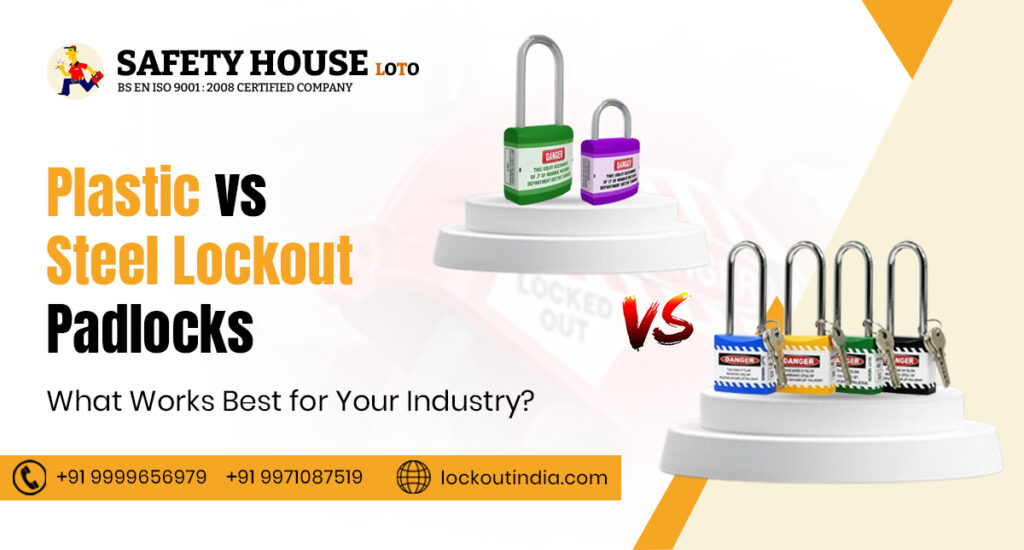
Plastic vs. Steel Lockout Padlocks: What Works Best for Your Industry?
In industrial environments where safety is non-negotiable, lockout/tagout (LOTO) procedures play a vital role in protecting workers from unexpected equipment startup or energy release. At the heart of every effective LOTO program are lockout padlocks—small yet critical devices that physically prevent machinery from being re-energized during maintenance or repair.
However, not all lockout padlocks are the same. One of the most common questions safety managers and plant engineers face is:
Should we use plastic or steel lockout padlocks?
Each option has its own strengths, limitations, and ideal use cases. This article explores the differences between plastic and steel safety lockout padlocks, helping you choose the right solution based on your industry, environment, and safety requirements.
Understanding Lockout Padlocks in LOTO Systems
Lockout padlocks are specifically designed for safety applications—not general security. Unlike standard padlocks, they are:
- Used exclusively for lockout/tagout procedures
- Assigned to individual workers
- Marked clearly with warnings such as “Do Not Operate”
- Built to withstand industrial conditions
Their primary function is to ensure that only the authorized person who applied the lock can remove it, eliminating the risk of accidental startup.
What Are Plastic Lockout Padlocks?
Plastic lockout padlocks are typically made from non-conductive thermoplastic or nylon bodies, combined with insulated shackle options. They are lightweight, corrosion-resistant, and highly visible.
Key Features of Plastic Lockout Padlocks
- Non-conductive construction
- Lightweight and easy to carry
- Resistant to chemicals and moisture
- Available in multiple bright colors
- Ideal for electrical safety applications
These padlocks are commonly used where electrical hazards are present and where visual identification is important.
What Are Steel Lockout Padlocks?
Steel lockout padlocks feature metal bodies and hardened steel shackles, offering enhanced physical strength and durability. They are designed for tough industrial environments where mechanical abuse or extreme conditions are common.
Key Features of Steel Lockout Padlocks
- High resistance to impact and tampering
- Excellent durability in harsh environments
- Suitable for outdoor and heavy-duty use
- Strong shackle strength for mechanical lockout points
Steel safety lockout padlocks are preferred where maximum physical security is required.
Plastic vs. Steel Lockout Padlocks: A Detailed Comparison
1. Electrical Safety and Conductivity
Plastic lockout padlocks are non-conductive, making them the safer option for electrical panels, switchgear, and circuit breakers. They significantly reduce the risk of electrical shock.
Steel lockout padlocks, on the other hand, conduct electricity and should be used cautiously in electrical environments. They are better suited for mechanical energy isolation.
Best choice for electrical applications: Plastic padlocks
2. Durability and Strength
Steel lockout padlocks offer superior mechanical strength. They can withstand heavy impacts, rough handling, and outdoor exposure, making them ideal for industries like mining, steel plants, and construction.
Plastic padlocks are durable but may not handle extreme physical abuse as well as steel.
Best choice for heavy-duty environments: Steel padlocks
3. Environmental Resistance
Plastic safety lockout padlocks perform exceptionally well in wet, humid, or chemical-prone environments. They resist corrosion, rust, and chemical degradation.
Steel padlocks, unless specially coated, may be vulnerable to rust in corrosive or coastal environments.
Best choice for corrosive or wet conditions: Plastic padlocks
4. Weight and Worker Convenience
Plastic padlocks are lightweight, which is important when workers need to carry multiple locks during group lockout procedures. Reduced weight improves comfort and compliance.
Steel lockout padlocks are heavier and may cause fatigue when used extensively.
Best choice for frequent use and portability: Plastic padlocks
5. Visual Identification and Compliance
Most plastic lockout padlocks are available in bright colors such as red, yellow, blue, and green. Color-coding helps distinguish departments, energy sources, or personnel, improving compliance with LOTO procedures.
Steel padlocks typically offer fewer color options and rely more on tags for identification.
Best choice for color-coded lockout systems: Plastic padlocks
Industry-Based Recommendations
Manufacturing & Electrical Maintenance
Industries dealing with electrical panels, control cabinets, and energized equipment benefit most from plastic lockout padlocks due to their non-conductive properties and visibility.
Chemical & Pharmaceutical Plants
With frequent exposure to moisture, chemicals, and washdowns, plastic safety lockout padlocks offer better longevity and corrosion resistance.
Heavy Engineering & Metal Processing
Steel lockout padlocks are better suited for environments with mechanical stress, vibration, and outdoor exposure, such as forging units, cement plants, and mining operations.
Oil & Gas and Power Plants
A combination of both plastic and steel lockout padlocks is often ideal—plastic for electrical isolation and steel for mechanical energy sources like valves and pipelines.
Choosing the Right Lockout Padlocks for Your Facility
When selecting between plastic and steel lockout padlocks, consider the following factors:
- Type of energy source (electrical, mechanical, hydraulic, pneumatic)
- Environmental conditions (moisture, chemicals, outdoor use)
- Frequency of lockout procedures
- Requirement for color coding and identification
- Compliance with OSHA or local safety standards
In many facilities, a mixed approach delivers the best results—using different padlock types based on application rather than relying on a single solution.
Final Thoughts
Both plastic and steel lockout padlocks play an essential role in building a robust and compliant lockout/tagout program. The “best” option depends not on preference, but on application, environment, and risk level.
By understanding the strengths and limitations of each type, safety professionals can make informed decisions that enhance worker protection, improve compliance, and reduce downtime.
At Safety House Loto, we believe that selecting the right safety lockout padlocks is a crucial step toward creating safer industrial workplaces—where procedures are followed, risks are minimized, and people return home safely every day.

LOTO Tags vs. Lockout Devices: Understanding the Difference
In industrial and workplace settings, ensuring the safety of employees around machinery and equipment is paramount. One of the most effective safety practices in this regard is the Lockout/Tagout (LOTO) system. Safety House LOTO emphasizes the importance of proper LOTO implementation to prevent accidents, injuries, and fatalities. However, there is often confusion between LOTO tags and lockout devices, two key components of this safety procedure. Understanding the difference between them is crucial for workplace safety compliance and efficiency.
What is Lockout/Tagout (LOTO)?
Before diving into the specifics, it’s essential to understand what LOTO entails. Lockout/Tagout refers to a safety procedure used to ensure that machines and equipment are properly shut off and cannot be started up again before maintenance or servicing is complete. LOTO procedures are critical in preventing accidental energization, which could lead to serious injuries or even death.
The two main components of LOTO are:
- Lockout devices – physical locks used to isolate energy sources.
- LOTO tags – warning tags that indicate a machine is under maintenance and should not be operated.
While they work together, their purposes and applications differ significantly.
What Are LOTO Tags?
LOTO tags are visual warning indicators attached to machinery or energy-isolating devices. They do not physically prevent the operation of equipment; instead, they communicate crucial information about the status of the machinery.
Key features of LOTO tags include:
- Warning Information: Lockout tags display warnings such as “Do Not Operate” and include details like the name of the person performing maintenance, date, and reason for lockout.
- Durability: Made from durable materials, LOTO tags are designed to withstand harsh industrial environments.
- Compliance: Using proper LOTO tag is often a legal requirement under occupational safety regulations.
LOTO tags serve as an essential communication tool. They ensure that anyone approaching the equipment understands that it is under maintenance and should not be operated.
What Are Lockout Devices?
Lockout devices are physical devices that secure energy-isolating equipment, such as circuit breakers, valves, or switches, in the “off” position. Unlike tags, lockout devices prevent machinery from being accidentally energized.
Common types of lockout devices include:
- Padlocks: The most widely used lockout device, padlocks prevent unauthorized access to energy sources.
- Valve Lockouts: These devices secure valves to prevent the flow of liquids or gases during maintenance.
- Circuit Breaker Lockouts: These lock devices ensure electrical circuits remain de-energized during servicing.
- Plug Lockouts: These prevent electrical plugs from being inserted into live outlets.
By physically isolating the energy source, lockout devices provide a higher level of safety compared to tags alone.
Key Differences Between LOTO Tags and Lockout Devices
Understanding the distinction between LOTO tags and lockout devices is essential for effective workplace safety. Here are the main differences:
| Feature |
LOTO Tags |
Lockout Devices |
| Function |
Provides a visual warning |
Physically prevents operation |
| Safety Level |
Informational |
Physical isolation, higher safety |
| Usage |
Attached to machines or energy sources |
Used on switches, valves, circuit breakers, and plugs |
| Compliance Requirement |
Mandatory in most LOTO procedures |
Mandatory for effective lockout |
It is important to note that LOTO tags do not replace lockout devices. They are most effective when used together: lockout devices prevent accidental operation, and LOTO tags communicate critical information to workers.
Best Practices for Using LOTO Tags and Devices
For optimal safety, follow these best practices recommended by Safety House LOTO:
- Train Employees: Ensure all workers understand the difference between LOTO tags and lockout devices and know how to use them correctly.
- Use Durable Tags and Devices: Industrial environments can be harsh; choose tags and lockout devices that can withstand weather, chemicals, and mechanical wear.
- Clear Information: LOTO tags should include the technician’s name, date, and reason for lockout to avoid confusion.
- Regular Inspections: Periodically inspect lockout devices and tags to ensure they are in good condition and compliant with safety standards.
- Follow Standard Procedures: Adhere strictly to company and legal LOTO procedures to prevent accidents.
Why Safety House LOTO Recommends Combining Both
While LOTO tag are critical for communication, they cannot physically stop machinery from being turned on. Lockout devices, on the other hand, provide the physical barrier needed to isolate energy. Combining both ensures a comprehensive approach:
- Maximum Safety: Workers are visually warned and physically prevented from accidental operation.
- Regulatory Compliance: Many occupational safety regulations mandate the use of both tags and lockout devices.
- Reduced Accidents: Studies show that proper LOTO procedures significantly reduce workplace injuries during maintenance.
Conclusion
In conclusion, LOTO tags and lockout devices are both essential components of a robust Lockout/Tagout program. While LOTO tag provide vital communication to workers, lockout devices physically prevent equipment from being operated. Safety House LOTO emphasizes using both in tandem for maximum workplace safety and compliance. By understanding their differences and implementing best practices, businesses can protect their employees, reduce accidents, and maintain regulatory compliance.
Proper use of LOTO tags and lockout devices is not just a legal requirement; it’s a commitment to creating a safe and responsible workplace.
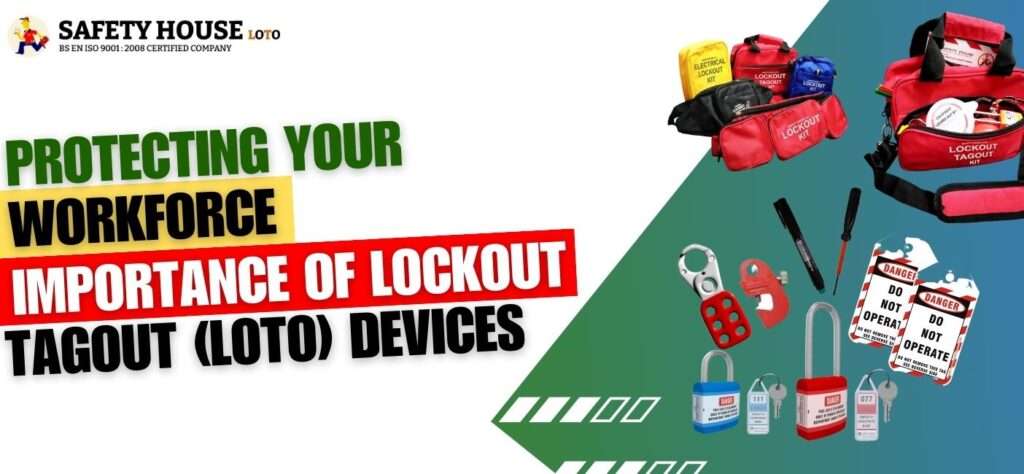
Protecting Your Workforce: The Importance of Lockout Tagout (LOTO) Devices
Introduction
Ensuring the safety of your workforce should always be a top priority in any industry. One critical aspect of workplace safety is the proper implementation of lockout tagout (LOTO) devices. These devices play a crucial role in safeguarding employees from hazardous energy sources during maintenance and repair activities. In this article, we will delve into the importance of lockout tagout devices, their benefits, and how they contribute to a safer work environment.
Lockout tagout devices are specifically designed to prevent accidental energization of machinery or equipment during servicing or maintenance operations. These devices provide a visual indication and physical barrier to ensure that equipment remains in a de-energized state, protecting workers from potentially life-threatening situations. By effectively isolating energy sources, lockout tagout devices help reduce the risk of injuries caused by unexpected equipment start-ups.
The Benefits of Lockout Tagout Devices
1. Enhanced Employee Safety
The primary benefit of utilizing lockout tagout devices is the increased safety they provide for employees. By effectively isolating energy sources, these devices create a clear and visible indication that equipment is undergoing maintenance or repair, alerting employees to potential hazards. This minimizes the risk of accidental injuries caused by the sudden release of stored energy or unexpected activation of machinery.
2. Compliance with Safety Regulations
Adhering to safety regulations is not only ethically important but also legally mandated. Lockout tagout devices help companies comply with regulations set forth by organizations such as the Occupational Safety and Health Administration (OSHA) and other regulatory bodies. Failure to comply with these rules may result in severe sanctions and legal consequences. Implementing lockout tagout products demonstrates a commitment to employee safety and ensures compliance with industry standards.
Choosing the Right Lockout Tagout Manufacturer
1. Quality and Reliability
When it comes to lockout tagout devices, selecting a reputable and reliable manufacturer is crucial. A trusted manufacturer of lockout products will ensure that their devices are built to withstand harsh environments, provide clear and durable labels, and offer long-lasting performance. Investing in quality lockout tagout products enhances the effectiveness of your safety protocols and contributes to a safer work environment.
2. Customization and Compatibility
Every workplace has unique requirements, and lockout tagout devices should be tailored to meet those specific needs. A reliable lockout tagout manufacturer will offer customization options to accommodate various equipment types and energy sources. Additionally, compatibility with existing lockout tagout procedures and systems is essential to maintain consistency and efficiency in your safety protocols.
Conclusion
Protecting your workforce is a vital responsibility for any organization, and lockout tagout devices are indispensable tools for ensuring employee safety during maintenance and repair operations. By understanding the importance of lockout tagout devices, their benefits, and the significance of selecting a reputable manufacturer, you can create a safer work environment and reduce the risk of accidents. Prioritize the implementation of lockout tagout devices, comply with safety regulations, and provide your employees with the highest level of protection.
By incorporating lockout tagout devices into your safety procedures, you demonstrate a commitment to the well-being of your workforce, foster a culture of safety, and contribute to a more productive and accident-free workplace environment.
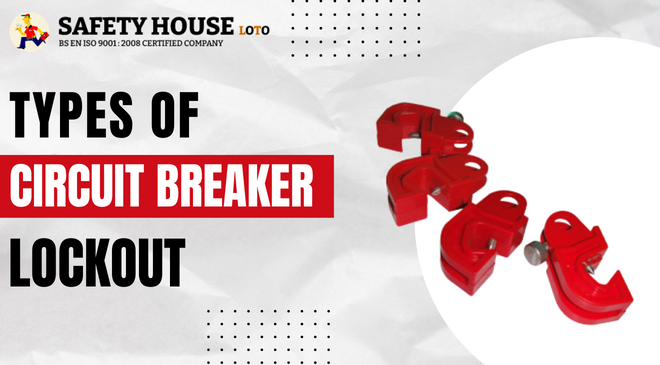
Everything You Need to Know About the Types of Circuit Breaker Lockout
You’ve probably seen Miniature Circuit Breaker Lockout (MCBs) in your home. When you turn on or off an appliance, the power of the whole floor is impacted. It is because the MCB Lockout is linked to all the circuits on the floor, and shutting off the main switch turns out the lights.
However, a circuit breaker’s primary function is to safeguard the device and humans from harmful electrical shocks and failures. Circuit breakers, in other words, are devices that prevent electrical short-circuits and sustain power flow.
Do you know anything about the circuit breaker lockout device? Do you want to discover its benefits and drawbacks? Then this article will assist you in comprehending several types of productive effects. Let’s have a look at circuit breakers.
What exactly is a circuit breaker?
Circuit breaker trips cut electricity to the load and prevent damage. Industries, buildings, commercial complexes, and hotels rely heavily on circuit breakers to convert between different modes of operation.
Why is a circuit breaker required?
Several unusual circumstances in our electrical system can harm the circuit and its components. These are referred to as ‘FAULTS.’ Furthermore, faults are classified as follows:
- Overload
- Earth Short Circuit
Besides, we must safeguard our system from the errors above to maintain our electrical components and system safe. It necessitates the use of a circuit breaker.
Types of Circuit Breaker Lockout
Circuit breakers are primarily classified according to voltage application:
1) Circuit Breaker with Low Voltage
2) Circuit Breakers for Medium Voltage
3) Circuit Breakers SF6/VACUUM
4) Circuit Breakers for High Voltage
How do they work?
Circuit breakers are built to tolerate a transient surge in amperage over their rated capability, allowing fan motors or compressors to operate. Moreover, a Time/Amperage or “Trip” curve indicates the period they can let this inrush against the actual amperage capacity they can tolerate during that time.
Read More: Circuit Breaker Lockout Device: Advantages and Disadvantages
Furthermore, depending on the breaker’s design and function, it may take up to 15 times the expected load and trip anywhere between milliseconds and 2-3 seconds later.
Breakers are classified into three positions:
- Closed circuit — on
- A trip—open circuit signals a problem as well.
- Off—short circuit
Conclusion
This overview of panelboards and several kinds of circuit breakers, their construction and operation, and fundamental electrical safety protocols is an excellent place to start if you’re new to the sector. Hence, check out Safety House blogs for a more in-depth look at these topics. In the nation, there are various lockout-Tagout service providers.
However, not all of them provide their consumers with high-quality goods. Safety House is a trustworthy business that has served its many satisfied consumers for years. Pick the best Lockout Tagout Products and Loto service provider for your company by carefully considering your requirements.
Top Selling Safety House Lockout Tagout Devices
> Key Box
> Valve Lockout
> Osha Lock
Related Post To Read: How to Ensure Worker’s Safety From Lockout Tagout Procedure?
Related Post To Read: Lockout Tagout Advantages & Disadvantages
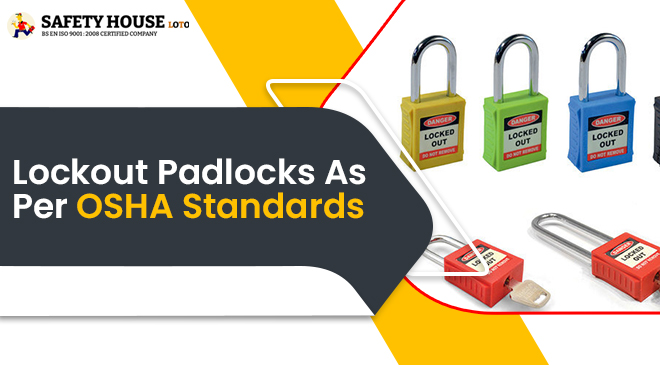
How To Find The Lockout Padlocks As Per OSHA Standards?
When it comes to the potential of one employee mistakenly restarting a piece of equipment that another employee is working on, the employee’s sole safeguard is their lockout lock. Employees must learn how to operate their locks correctly and never give out their lock or key to guarantee complete control.
OSHA’s Lockout Tagout Regulations (1910.147)
Lockout Tagout devices must be robust, standardised, significant, and recognisable, according to OSHA Standard 29 CFR 1910.147.
- To achieve OSHA regulations, Lockout Safety Padlocks must meet the following requirements:
- Be able to tolerate long-term exposure to harsh weather conditions and be chemically resistant.
- Have a consistent color, shape, or size across the institution.
- Non-reusable, hand-attachable, self-locking, and non-releasable with a minimum unlocking strength.
- Use the tools to identify people and other recognizable data such as padlock numbers, metal marking, logos, department designations, etc.
Read more: Elements Of OSHA’s Lockout-Tagout Standard
A lockout programme consists of three key components
- Written Procedures: These protocols tell lockout participants what to do and when. They also outline the procedures for shutting down, isolating, and imposing and removing lockout. Such methods are only required for machines with two or more energy sources.
You should clearly state the following points:
- Specific machinery and their shutdown/isolation procedures
- Location of lockout mechanisms
- How to de-energize stored energy
- How isolation must confirm.
- Training Programs: Training is required for two types of employees: authorised and affected. Authorised employees maintain and service machines and are qualified to control hazardous energies. In contrast, affected employees work near the machines/equipment being serviced or repaired under lockout and must understand the hazards.
- Periodic Audits: Periodic audits ensure that energy control operations are still being done correctly, that employees are following protocols, and that they know their commitments.
What You Should Look In Lockout Padlocks & Its Benefits
Lockout Padlocks prevent mishaps by preventing equipment from being mistakenly turned on. This also prevents damage to the equipment and makes the workplace safer for everyone. Moreover, lockout Osha Lock is available in a variety of colors and is very durable, making them an excellent investment for any company.
As previously noted, are an essential component of any safety program. Workers may use Lockout Padlocks to ensure that machinery or equipment is not switched on while doing maintenance and repairs.
Safety house Lockout Padlocks may also be used to protect electrical panels, valves, and other potentially dangerous items. You may assist avoid accidents and injuries by clearly identifying dangers and shutting them out.
- Lockout padlocks are color-coded to make them easier to identify, and each Lockout Padlock may be allocated to a single employee. This guarantees that the equipment is only accessible to authorized employees.
- Padlocks, when utilized appropriately, may help make your workplace safer for everyone.
- It is a low-cost and easy approach to safeguarding the safety of your employees. Among the advantages are:
- Preventing mishaps by preventing equipment from being mistakenly turned on during maintenance.
- Disabling damaged equipment also protects it from additional harm.
- Lockout Padlocks are also useful for determining who has disabled the equipment since they are generally color-coded.
- This is significant because it makes everyone’s workplace safer.
Lockout Padlocks and Lockout Kits are a simple and efficient approach to increasing workplace safety and should be utilized wherever equipment is a danger of harm.
Conclusion
If hazardous energy is not appropriately managed workers doing regular machinery or process equipment maintenance may be badly hurt. It is why safety lockout tagout padlocks are used to turn off possible energy risks and avoid such mishaps.
To purchase the best lockout products as per OSHA standards contact the Lockout Supplier Safety House Loto.
You May Also Like: How to Ensure Worker’s Safety From Lockout Tagout Procedure?
You May Also Like: What is the Purpose of Lockout Tagout: Advantages & Disadvantages
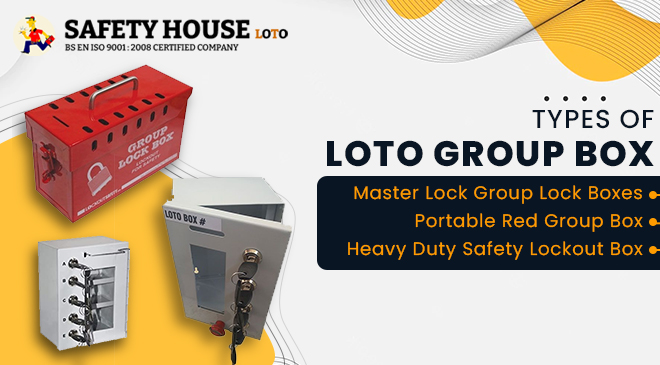
How Many Types of Group Lockout Box?
Loto Group Box physically locks the complete system such as the machine, equipment, and even process in the safe mode. Lockout and Tagout is the Control of Hazardous Energy which involves with isolation of energy from the system.
What is the Benefit of Group Lockout Boxes?
The Group Lockout Boxes are storage devices used to capture keys to make effective lockout of large equipment. Moreover, all the lockout is enabled with a single padlock to secure the equipment.
Lockout devices offer the best way to easily secure the machinery equipment. These have circuit breaker lockout along with the electrical plug lockout device.
The Use of Group Lockout Box keeps all the keys safely and is enabled with the safe key storage facility. All the lockout points on Loto Box are also easily accessible.
Types of Loto Group Lockout Box
These are storage devices that can be used to capture keys for effective lockout of equipment. These lockout tagout products are certified raw materials used, so they would enhance the functionality. The lockout point on equipment is secured with a single padlock.
Master Lock Group Lock Boxes S600 Series
Normally, the Master Lock Group Lock Boxes S600 Series have 430-grade stainless steel. These can easily withstand the harshest environments as they have a tough structure with superior design features.
It makes lock boxes stronger and easier to use. The Master Lock Group Lock Boxes S600 Series has a stackable design suitable for storage. It also helps with making quick transporting of multiple boxes.
Portable Red Group Lockout Box
The Master Lock Portable Red Group Lockout Boxes are suitable for capturing the keys from lockout points. It is easier to secure a lockout point even with a single piece of equipment.
Group Boxes and Loto Kits Capture keys from lockout points and easily place them in the lockbox. The Lockout Boxes are suitable for the padlock or other fixed devices.
However, it offers flexibility for the lock. This easy-to-grip is perfect for wide areas like machinery, the safety of workers, and other equipment. Read More: Advantages & Disadvantages of Lockout Tagout
Lockout Safety Heavy Duty Lockout Box
The Lockout Safety Heavy Duty Safety Lockout Boxes provide durability as well as flexibility, ensuring better access for all parties.
Furthermore, safety Lockout Boxes are also perfect for group lockout situations. All the keys have identification tags with multiple boxes under control.
Lockout Safety Portable Red Group Box
The Group Lockout Box model ensures the machine or keys in the machine are fully secure. Moreover, it accommodates up to 7 safety locks with easy to carry around. Group Lockout Box offers the best way to lock all the parts in the machine.
You May Also Like: What is an Electrical Panel Lockout Box and Its Uses?
You May Also Like: What is the Purpose of Lockout Tagout: Advantages & Disadvantages
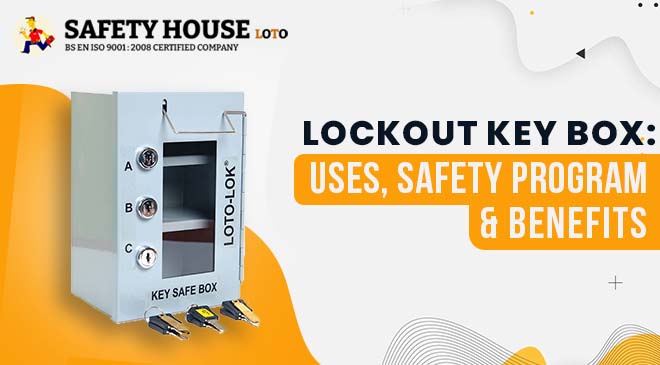
What are Lockout Key Box and Its Uses?
The lockout key box is the best storage device that is effectively useful to store keys for an effective lockout for huge equipment. One can protect the lockout point available on the equipment with a single padlock.
It can ensure that other technicians or departments could never remove keys, documentation, permits, or anything else before the parties open individual locks.
Safety Impact of lockout key box
Here workers can keep their keys in this box, and then only authorized employees have access to touch it. Employees can remove the personal padlock from the lock box when the work is completed and free the keys.
Read More: How to Ensure Worker’s Safety From Lockout Tagout Procedure?
However, the lockout key box can ensure that keys never be accessed until the final lock is removed.
A lockout key box is the safest approach enforced by putting the suitable lockout devices into energy-isolating devices based on the established procedure.
Furthermore, it will ensure that no one can operate the controlled equipment and energy-isolating device until removing the lockout device.
Uses of lockout key box
Lockout key boxes are handy for safe key storage and the best place for holding keys. Lockout products are highly useful in protecting employees from dangerous energy sources on equipment and machines during maintenance service.
Additionally, most industrial accidents are due to the unexpected start-up of equipment and machines or the uncontrolled release of energy. Therefore, it is better to use a high-quality lockout key box without hesitation to stop issues.
The best energy control program
Best Lockout Kit is effectively suitable for various energy control programs. An excellent energy control program contains:
- Durable, reliable, and high-quality lockout products to cover all electrical and mechanical applications
- A specially designed lockout solution can help implement and develop the control program effectively
- Documented, tailored, and appropriated lockout procedures are all OSHA complaints
- Conduct the lockout audit regularly to ensure safety in the workplace
Benefits of lockout key box
You can explore more benefits after using lockout kits. Check out below to know the benefits:
- Protect employees from accidents and hazards
- Shows top management concern over the employee safety
- Protects machine, equipment, and workplace from severe damage and reduces downtime
- Helpful in meeting the key box compliance without any issues
- Builds trust and self-confidence in all employees
Final verdict
You have now explored the lockout key box and its uses from the scenario mentioned above. You can contact the leading experts and manufacturers if you want quality lockout key cabinets.
Moreover, safety House is the leading manufacturer and lockout supplier of lockout tagout products. The lockout key boxes are powder coated, highly durable, and have stainless steel handles.
You May Also Like: What Are The 6 Steps Of Lockout Tagout Programs?
You May Also Like: Safety Precautions While Working Around the Lockout/Tagout Equipment
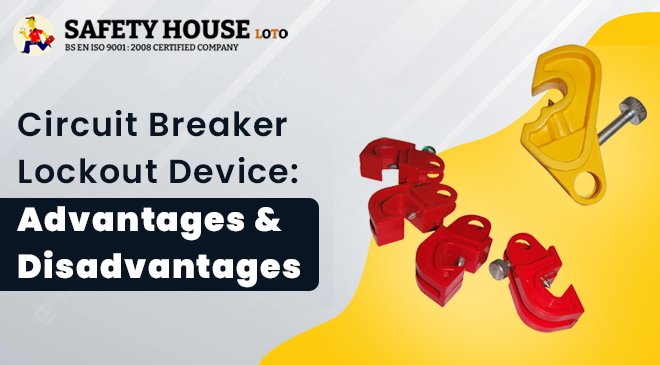
Circuit Breaker Lockout Device: Advantages and Disadvantages
Working with machinery can be a hazardous and tough task, but taking proper precautions can reduce the danger completely. The circuit breaker lockout device safeguarding against being injured or crushed by moving components is the best example of protective measures implemented here.
Moreover, it can also incorporate standards and prevent electrocution from occurring. The major purpose of circuit breaker device has become very important in major facilities’ safety systems since it provides more advantages to everyone.
Are you having any idea about the circuit breaker lockout device? Want to know its advantages and disadvantages? Then this blog will help you understand all kinds of effective impacts.
In general, a circuit breaker lockout kit can be effectively useful to increase workplace safety.
What is the purpose of the circuit breaker device?
The major purpose of the circuit breaker lockout device is to ensure that the equipment can be switched off, de-energized, and rendered unusable before it can be used again. Maintaining and repairing the system in a secure and safe environment makes it simple.
The lockout kit is the most advanced safety equipment collection kit that can be useful in many industrial tough situations. The tagout lockout procedure has to follow in any workplace where the equipment may discharge unintentionally hazardous energy when it is not maintained properly.
Advantages of circuit breaker lockout device
- The risk of death or injury from hazardous energy releases like corrosive chemicals, steam blasts, and electrical arch flashes can be reduced completely.
- When the machines are triggered accidentally, you can reduce the possibility of injury.
- Completely reduce the chances of legal action.
- This kind of approach can save people’s lives very effectively.
- Making safety a priority at work has a better effect on creating trust and confidence in people.
- Reductions and benefits in workers’ compensation insurance premiums can be provided in various counties when the firm is having fewer accidents.
- Better profitability can offer you more benefits.
Disadvantages of circuit breaker lockout device
- Somewhat complicated to remove residue from the location
- De-energize the system process becomes a failure
- Inappropriate training
- May make the same mistakes again and again
- Locks and keys can be effectively synchronized
- There is a complete shortage of equipment-specific circuit breaker lockout methods.
Final verdict
From the scenario mentioned above, now you have explored the advantages & disadvantages of using circuit breaker lockouts. However, you can contact us if you are looking for the best circuit breaker lockout device. We are offering this device at a better rate.
Also Read: How to Use Electrical Lockout Devices and Equipment?
Also Read: What Are The Usage Of Electrical Plug Lockouts?
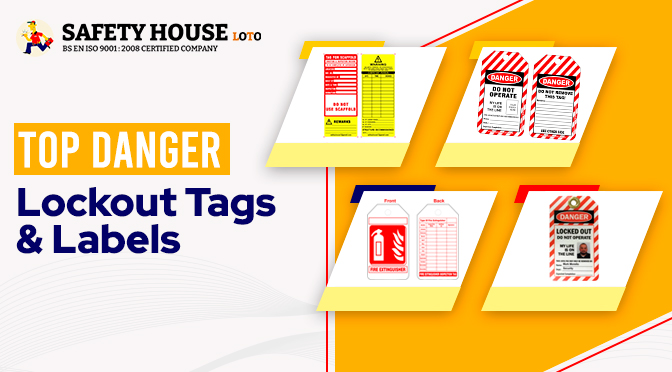
Top Danger Lockout Tags and Caution Labels
Many companies place a high value on maintaining a flawless locking mechanism to safeguard their employees and outsiders. These safety Danger Lockout Tags alert people to potential dangers if a machine or piece of equipment is turned on.
For businesses to identify the energy source and who is using the machine or equipment, lockout tags must be used. It serves as both a visible reminder and a physical barrier for safety reasons.
As an example of an application related to energy release, the tag may be used in conjunction with switches such as Blocks Disconnect. The Lockout Tagout Products rely heavily on tags. Lockout tags of lockout India safety house provide information about the lockout state and may identify the individual repairing it.
- The ability to withstand the conditions in which they are used
- Standardization and differentiation from other tags are key requirements for labels.
- Include specific cautions and directions.
- Securely fastened using a 50 lb pull-force-resistant, non-reusable self-locking mechanism
Top Best Danger Lockout Tags List
Lockout tags are widely available nowadays to safeguard the machine and its components; here are the top danger lockout tags. Consider many kinds of safety lockout devices and choose the most appropriate one for your business to optimize security.
Danger Caution tag
Caution tags are used when there is a low risk of death or serious injury, but there is a possible danger that may not be immediately apparent.
Do to operate tag is used by companies to ensure the safety of their workers and staff. Moreover, personnel should be informed and warned before operating the machinery or equipment to prevent accidents.
Lockout tag for machinery
This huge risk may avoid with an efficient lockout procedure. Furthermore, using the equipment lockout tag of Loto Kit is the best way to keep yourself safe while keeping the isolated energy device in the appropriate place.
The fire inspection tag
Using a fire inspection tag is the easiest way to keep track of the extinguisher’s current state. In a fire, having well-maintained extinguishers on hand is essential. Furthermore, sometimes, fire inspection tags are also used on Valve Lockout to ensure the safety of the worker.
Photo tag with a lockout
Industries use the lockout picture tag to add a photo to their lockout and safety programs. Moreover, this danger lockout tag comes with a transparent pocket where you can put your employee’s picture or ID to give safety and accident prevention a personal touch.
Scaffold tag
Employees who work on scaffolds rely on Scaffold Tags to keep themselves and their colleagues safe with the best danger lockout tags. Such things are used by businesses to protect the health and safety of their personnel. In addition, it keeps track of a variety of specifics, such as restrictions, limitations, and safety data related to a certain scaffold.
Conclusion
Business owners and peoples use the finest expertise to pick up lockout tags for industrial safety and ensure total protection. Our Safety House Loto is the best Lockout Supplier company that helps to maintain safety for your business.
You Might Also Like: Types of Lockout Tags & Its Usage for Industrial Safety
You Might Also Like: What is a Lockout Kit And Why is it Used For?
You Might Also Like: Safety House Loto Products For Safe Work Environment
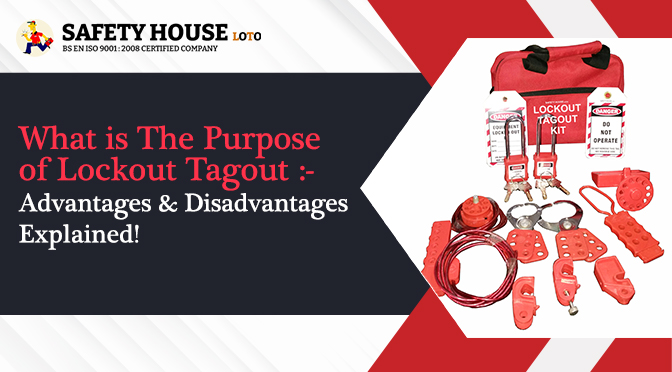
What is the Purpose of Lockout Tagout: Advantages & Disadvantages
The purpose of the Lockout Tagout programme is to increase the workplace’s safety. Working with machinery may be hazardous, but taking the necessary precautions can significantly reduce the danger.
Safeguards against being crushed or injured by moving components are examples of protective measures that may implement. They may also incorporate measures to prevent electrocution from occurring.
One of the main purpose of lockout tagout programme has become so significant in many facilities’ safety systems because it gives multiple advantages to a large number of people at the same time.
What Is Lockout Tagout (LOTO) and How Does It Work?
The purpose of LOTO (Lockout Tagout) is to ensure that equipment is switched off, rendered unusable, and de-energized before it may use again.
This makes it feasible to repair and maintain the system in a safe and secure environment. The Lockout Kit is one of the most useful safety equipment collection kits that is helpful in many dangerous situations.
Lockout/Tagout procedures must follow in any workplace where equipment may unintentionally discharge potentially hazardous energy if not properly maintained.
Advantages of Lockout Tagout Products
When a person incorrectly assumes that a machine has been properly switched off, it may be a serious incident. LOTO is a means of shutting down all computers, machinery, and equipment simultaneously to protect yourself and others.
If accidents and fatalities can prevent, it is possible to decrease production time losses while increasing overall profits. The following are some of the advantages of lockout.
- Reduces the likelihood of injury occurring if machines are accidentally triggered by a mistake.
- The risk of injury or death from hazardous energy releases such as steam blasts, corrosive chemicals, and electrical arc flashes is minimized to the lowest degree possible.
- This approach saves the lives of people.
- Reduce the possibility of legal action.
- Benefits and reductions in workers’ compensation insurance premiums are offered in several counties if a firm has fewer accidents.
- Making safety a high priority at work has the effect of creating confidence and trust in people.
- Profitability
Disadvantages of Lockout Tagout
Lockout/Tagout rules and standards have been established by the Occupational Safety and Health Administration (OSHA) to protect employees, equipment, and the workplace while performing maintenance and repairs.
Read More: Importance of OSHA Standards
Unfortunately, several cases of deaths persist after considerable guidance and inspection, including shocks and missing fingers and the end of a person. The following are examples of disadvantages of lockout that might be fatal.
- Failure to de-energize the system
- The inability to remove residues from a location.
- Repeating the same mistake over and over
- Inappropriate training
- There is a shortage of equipment-specific lockout methods.
- Keys and locks that are synchronized
Moreover, make use of the Lockout Tagout system in your organization right now. When used properly, it may be a life-saving technology. It is important to protect employees from the release of hazardous energy when maintaining machinery or equipment by following the lockout Tagout procedures.
Popular Safety House Loto Products
>> Valve Lockout
>> Lockout hasp
>> Key Box
You Might Also Like: What is a Lockout Kit And Why is it Used For?
You Might Also Like: Common Yet Useful Lockout Devices
