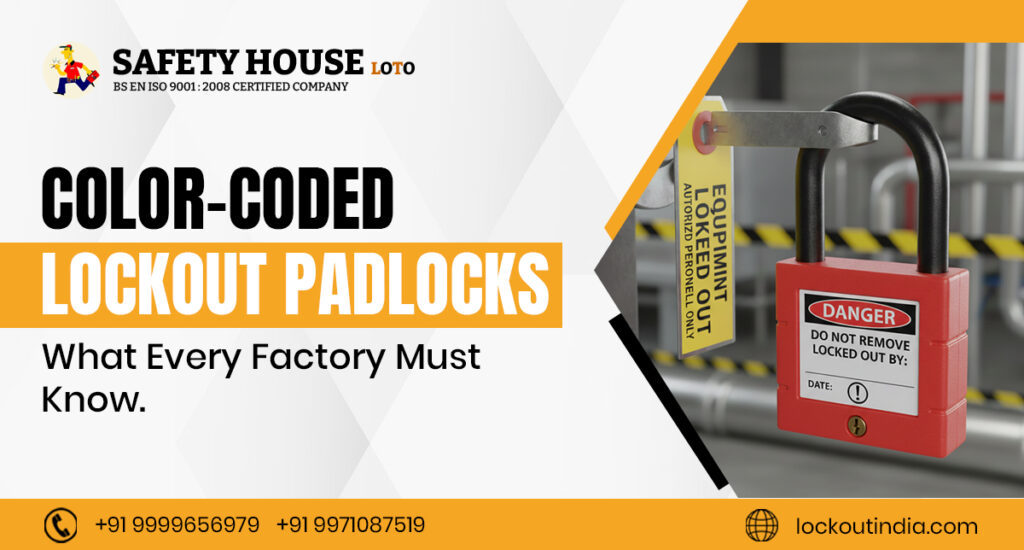
Color-Coded Lockout Padlocks: What Every Factory Must Know
Workplace safety is not just a compliance requirement—it is a responsibility that protects lives, equipment, and business continuity. In industrial environments where machinery operates with high voltage, pressure, or mechanical force, proper lockout/tagout (LOTO) procedures are critical. Among the essential tools in this process are Lockout Padlocks, especially color-coded ones that help improve identification, accountability, and safety standards.
In this blog, we will explore why color-coded systems matter, how they improve lockout efficiency, and what factories must consider while selecting the right solution. We’ll also discuss how Safety House Loto supports industries with reliable safety solutions.
Understanding Lockout/Tagout and the Role of Padlocks
Lockout/Tagout (LOTO) is a structured safety procedure used to ensure that hazardous energy sources are properly isolated during maintenance or repair work. The goal is simple: prevent unexpected startup or release of stored energy.
At the center of this process are Lockout Padlocks. These specialized safety locks are designed exclusively for LOTO applications. Unlike regular locks, they are lightweight, non-conductive (in many cases), uniquely keyed, and resistant to industrial conditions such as moisture, dust, and chemicals.
A loto padlock is not just a locking device—it is a safety assurance tool that communicates responsibility and prevents fatal mistakes.
Why Color-Coded Lockout Padlocks Matter
Color coding is not about aesthetics; it is about clarity and control. Factories often operate with multiple departments, maintenance teams, contractors, and supervisors. In such environments, confusion can lead to accidents.
Color-coded loto padlocks help in:
1. Clear Employee Identification
Each department or authorized person can be assigned a specific color. For example:
- Red – Maintenance
- Blue – Electrical team
- Yellow – Supervisors
- Green – Contractors
This ensures that everyone immediately knows who applied the loto pad lock and who must remove it.
2. Faster Lockout Management
During shutdown procedures, machines may require multiple locks. With color coding, supervisors can quickly confirm which teams are still working on equipment.
3. Improved Compliance
Regulatory bodies emphasize proper energy isolation and clear identification. Color-coded systems strengthen compliance and reduce audit risks.
4. Reduced Human Error
Visual differentiation prevents accidental removal of the wrong lock, which can be life-threatening.
Key Features to Look for in Lockout Padlocks
When selecting Lockout Padlocks, factories should focus on more than just price. Quality and compliance matter.
Durable Construction
Industrial-grade loto padlocks should withstand heat, corrosion, oil exposure, and rough handling.
Non-Conductive Body
For electrical applications, choose nylon-bodied locks to prevent electrical conduction.
Keyed Different or Keyed Alike Options
Depending on operational needs, you may choose:
- Keyed different (each worker has a unique key)
- Keyed alike (multiple locks opened by one key)
- Master key systems (supervisor control)
Engraving and Labeling
Name engraving or numbering enhances accountability.
Reliable padlock manufacturers in india now offer advanced customization options to meet industrial needs.
How Color Coding Improves LOTO Program Effectiveness
Implementing color-coded pad lock loto systems improves overall safety culture in factories.
Structured Workflow
Color-coded locks align with documented LOTO procedures. This ensures systematic energy isolation.
Contractor Management
Temporary workers can be assigned a separate color, making their involvement easy to track.
Multi-Shift Operations
In factories operating 24/7, shift-based color coding prevents confusion during handovers.
Emergency Response Clarity
During emergency audits or inspections, safety officers can quickly assess lock application status.
When implemented correctly, loto padlocks become part of an organized safety framework rather than just a locking mechanism.
Common Mistakes Factories Must Avoid
Even with good intentions, factories sometimes misuse Lockout Padlocks. Here are mistakes to avoid:
Using Regular Padlocks Instead of LOTO-Specific Locks
Ordinary locks are not designed for energy isolation and may fail under industrial stress.
Poor Documentation
Color coding works only when properly documented and communicated.
Sharing Keys
Each authorized worker must control their own loto padlock key to maintain accountability.
Ignoring Training
Employees must be trained to understand why loto pad lock procedures exist and how to follow them correctly.
Choosing the Right Supplier
The market has many padlock manufacturers in india, but selecting the right Lockout supplier ensures durability, compliance, and reliability.
Look for:
- Compliance with industrial safety standards
- Customization options
- Bulk supply capability
- After-sales support
Safety House Loto provides industrial-grade loto padlocks designed for demanding environments. Their color-coded systems are built to meet modern factory requirements and enhance workplace safety programs.
Best Practices for Implementing Color-Coded Lockout Systems
To maximize the effectiveness of Lockout Padlocks, follow these practical steps:
1. Develop a Color Policy
Assign colors based on department, role, or risk category.
2. Train Employees
Conduct regular safety training on how to apply and remove loto padlocks correctly.
3. Audit Regularly
Review lockout procedures periodically to ensure compliance.
4. Maintain Inventory Control
Keep track of issued loto pad lock units and replacement requirements.
5. Standardize Across Locations
If your company has multiple plants, ensure consistent color coding everywhere.
The Long-Term Benefits
Investing in high-quality Lockout Padlocks and a structured color-coded system delivers long-term advantages:
- Reduced workplace accidents
- Lower downtime due to safety violations
- Stronger regulatory compliance
- Improved employee confidence
- Enhanced safety culture
Factories that prioritize structured loto padlocks systems see measurable improvements in operational discipline.
Conclusion
Color-coded Lockout Padlocks are more than safety accessories—they are a foundation of effective lockout/tagout programs. Clear identification, accountability, and compliance are critical in industrial environments where a single mistake can lead to severe injury or loss.
By implementing structured color-coded loto padlock systems, factories can create a safer and more organized workplace. Choosing reliable suppliers such as Safety House Loto ensures that every pad lock loto solution meets industry standards and withstands demanding conditions.
A well-planned LOTO program, supported by high-quality loto padlocks, protects workers, safeguards machinery, and strengthens your company’s safety reputation.
Frequently Asked Questions (FAQs)
1. What are Lockout Padlocks used for?
Lockout Padlocks are used in lockout/tagout procedures to isolate hazardous energy sources during maintenance or repair work.
2. Why are color-coded loto padlocks important?
They help identify departments, improve accountability, and reduce the risk of accidental lock removal.
3. Are loto padlocks different from regular locks?
Yes. A loto pad lock is specifically designed for safety compliance, durability, and controlled key access.
4. How many keys should a loto padlock have?
Typically, each authorized employee should have one unique key to maintain accountability.
5. Can I source these from padlock manufacturers in india?
Yes, many reputed padlock manufacturers in india provide industrial-grade loto padlocks suitable for factory use.
6. How often should Lockout Padlocks be inspected?
They should be inspected regularly as part of your safety audit process to ensure proper functioning.
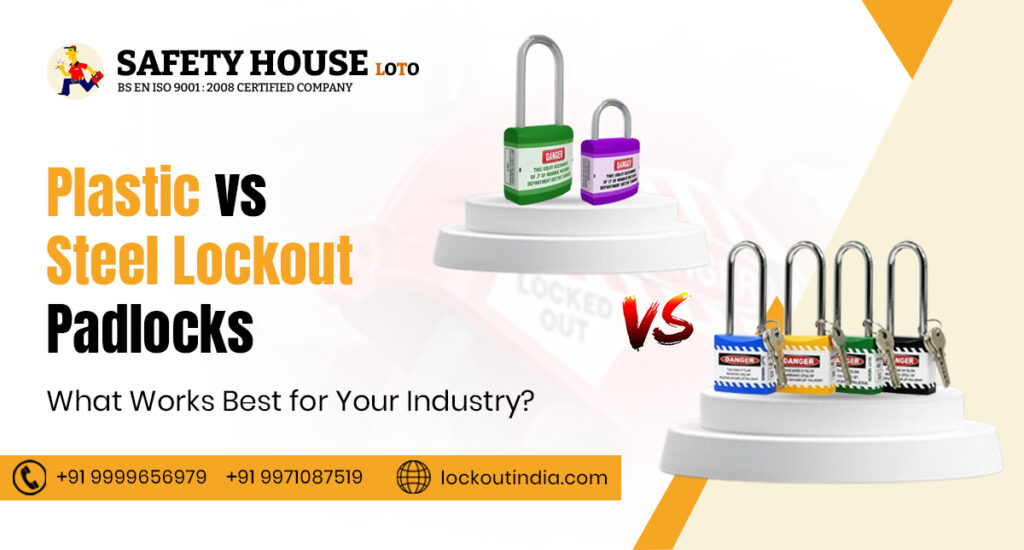
Plastic vs. Steel Lockout Padlocks: What Works Best for Your Industry?
In industrial environments where safety is non-negotiable, lockout/tagout (LOTO) procedures play a vital role in protecting workers from unexpected equipment startup or energy release. At the heart of every effective LOTO program are lockout padlocks—small yet critical devices that physically prevent machinery from being re-energized during maintenance or repair.
However, not all lockout padlocks are the same. One of the most common questions safety managers and plant engineers face is:
Should we use plastic or steel lockout padlocks?
Each option has its own strengths, limitations, and ideal use cases. This article explores the differences between plastic and steel safety lockout padlocks, helping you choose the right solution based on your industry, environment, and safety requirements.
Understanding Lockout Padlocks in LOTO Systems
Lockout padlocks are specifically designed for safety applications—not general security. Unlike standard padlocks, they are:
- Used exclusively for lockout/tagout procedures
- Assigned to individual workers
- Marked clearly with warnings such as “Do Not Operate”
- Built to withstand industrial conditions
Their primary function is to ensure that only the authorized person who applied the lock can remove it, eliminating the risk of accidental startup.
What Are Plastic Lockout Padlocks?
Plastic lockout padlocks are typically made from non-conductive thermoplastic or nylon bodies, combined with insulated shackle options. They are lightweight, corrosion-resistant, and highly visible.
Key Features of Plastic Lockout Padlocks
- Non-conductive construction
- Lightweight and easy to carry
- Resistant to chemicals and moisture
- Available in multiple bright colors
- Ideal for electrical safety applications
These padlocks are commonly used where electrical hazards are present and where visual identification is important.
What Are Steel Lockout Padlocks?
Steel lockout padlocks feature metal bodies and hardened steel shackles, offering enhanced physical strength and durability. They are designed for tough industrial environments where mechanical abuse or extreme conditions are common.
Key Features of Steel Lockout Padlocks
- High resistance to impact and tampering
- Excellent durability in harsh environments
- Suitable for outdoor and heavy-duty use
- Strong shackle strength for mechanical lockout points
Steel safety lockout padlocks are preferred where maximum physical security is required.
Plastic vs. Steel Lockout Padlocks: A Detailed Comparison
1. Electrical Safety and Conductivity
Plastic lockout padlocks are non-conductive, making them the safer option for electrical panels, switchgear, and circuit breakers. They significantly reduce the risk of electrical shock.
Steel lockout padlocks, on the other hand, conduct electricity and should be used cautiously in electrical environments. They are better suited for mechanical energy isolation.
Best choice for electrical applications: Plastic padlocks
2. Durability and Strength
Steel lockout padlocks offer superior mechanical strength. They can withstand heavy impacts, rough handling, and outdoor exposure, making them ideal for industries like mining, steel plants, and construction.
Plastic padlocks are durable but may not handle extreme physical abuse as well as steel.
Best choice for heavy-duty environments: Steel padlocks
3. Environmental Resistance
Plastic safety lockout padlocks perform exceptionally well in wet, humid, or chemical-prone environments. They resist corrosion, rust, and chemical degradation.
Steel padlocks, unless specially coated, may be vulnerable to rust in corrosive or coastal environments.
Best choice for corrosive or wet conditions: Plastic padlocks
4. Weight and Worker Convenience
Plastic padlocks are lightweight, which is important when workers need to carry multiple locks during group lockout procedures. Reduced weight improves comfort and compliance.
Steel lockout padlocks are heavier and may cause fatigue when used extensively.
Best choice for frequent use and portability: Plastic padlocks
5. Visual Identification and Compliance
Most plastic lockout padlocks are available in bright colors such as red, yellow, blue, and green. Color-coding helps distinguish departments, energy sources, or personnel, improving compliance with LOTO procedures.
Steel padlocks typically offer fewer color options and rely more on tags for identification.
Best choice for color-coded lockout systems: Plastic padlocks
Industry-Based Recommendations
Manufacturing & Electrical Maintenance
Industries dealing with electrical panels, control cabinets, and energized equipment benefit most from plastic lockout padlocks due to their non-conductive properties and visibility.
Chemical & Pharmaceutical Plants
With frequent exposure to moisture, chemicals, and washdowns, plastic safety lockout padlocks offer better longevity and corrosion resistance.
Heavy Engineering & Metal Processing
Steel lockout padlocks are better suited for environments with mechanical stress, vibration, and outdoor exposure, such as forging units, cement plants, and mining operations.
Oil & Gas and Power Plants
A combination of both plastic and steel lockout padlocks is often ideal—plastic for electrical isolation and steel for mechanical energy sources like valves and pipelines.
Choosing the Right Lockout Padlocks for Your Facility
When selecting between plastic and steel lockout padlocks, consider the following factors:
- Type of energy source (electrical, mechanical, hydraulic, pneumatic)
- Environmental conditions (moisture, chemicals, outdoor use)
- Frequency of lockout procedures
- Requirement for color coding and identification
- Compliance with OSHA or local safety standards
In many facilities, a mixed approach delivers the best results—using different padlock types based on application rather than relying on a single solution.
Final Thoughts
Both plastic and steel lockout padlocks play an essential role in building a robust and compliant lockout/tagout program. The “best” option depends not on preference, but on application, environment, and risk level.
By understanding the strengths and limitations of each type, safety professionals can make informed decisions that enhance worker protection, improve compliance, and reduce downtime.
At Safety House Loto, we believe that selecting the right safety lockout padlocks is a crucial step toward creating safer industrial workplaces—where procedures are followed, risks are minimized, and people return home safely every day.
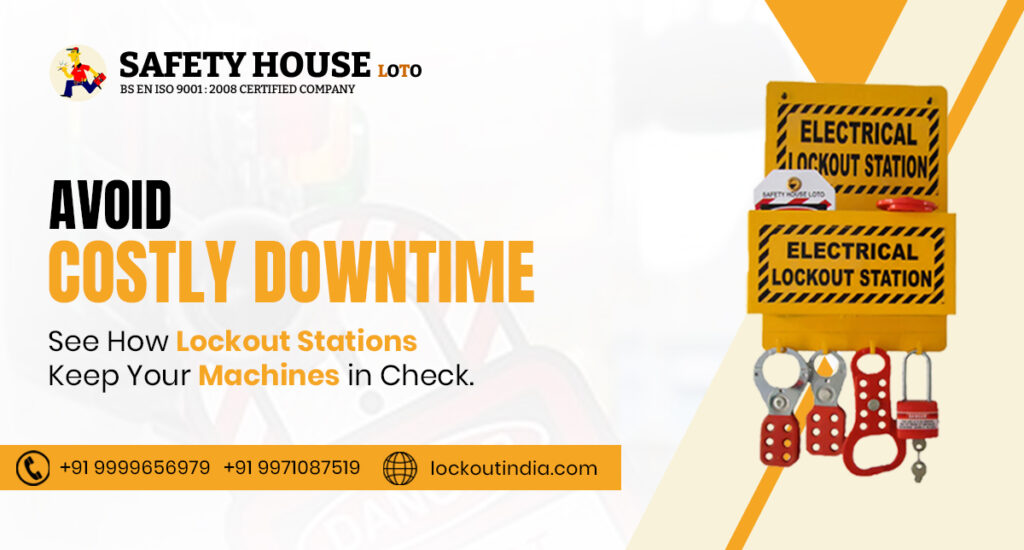
Avoid Costly Downtime – See How Lockout Stations Keep Your Machines in Check
Unplanned machine downtime is one of the biggest challenges faced by industrial facilities today. Beyond lost productivity, it often brings safety risks, repair expenses, and compliance issues. Many of these problems arise during maintenance or repair work when machines are not properly isolated from energy sources. This is where Lockout Stations play a critical role.
In this detailed guide, we’ll explore how Lockout Station help prevent costly downtime, improve workplace safety, and create a structured approach to energy control. Written in the context of Safety House Loto, this blog aims to give end users practical, real-world insights rather than generic advice.
Understanding the Real Cost of Downtime
Downtime is not just about machines standing still. It has a ripple effect across the entire operation.
- Production delays lead to missed deadlines
- Unexpected repairs increase maintenance budgets
- Worker injuries result in compensation claims and legal risk
- Non-compliance with safety regulations can attract penalties
Many of these issues stem from improper lockout–tagout practices. When maintenance teams cannot quickly access the right lockout devices, shortcuts happen—and shortcuts are costly.
What Are Lockout Stations?
Lockout Stations are centralized storage units designed to hold all essential lockout–tagout devices in one clearly visible, accessible location. They act as the command center for any lockout activity on the shop floor.
A well-organized station typically includes:
- Lockout Padlocks in multiple colors
- Hasps, tags, and circuit breaker lockouts
- Valve lockouts and cable devices
- A complete LOTO KIT for different applications
By keeping everything in one place, Lockout Stations eliminate confusion, save time, and ensure that safety procedures are followed consistently.
Why Lockout Stations Are Critical for Machine Safety
1. Faster Response During Maintenance
When a machine needs servicing, time matters. Searching for individual lockout devices wastes valuable minutes. With Lockout Stations, technicians immediately know where to find the correct LOTO KIT, reducing maintenance time without compromising safety.
2. Eliminating Human Error
Improper lockout is often caused by missing or mismatched devices. Centralized Lockout Stations reduce this risk by standardizing the lockout process and ensuring that approved Lockout Padlocks and accessories are always available.
3. Supporting Compliance and Audits
Safety audits demand proof of effective lockout–tagout systems. Clearly labeled Lockout Stations demonstrate a company’s commitment to safety and make compliance checks smoother.
How Lockout Stations Help Prevent Costly Downtime
Clear Visibility = Better Discipline
When Lockout Stations are installed near machines or maintenance zones, they act as constant visual reminders of safety protocols. Workers are less likely to bypass procedures when the tools are clearly in front of them.
Standardized Procedures Across Teams
Different shifts and departments often follow slightly different practices. Lockout Stations help standardize lockout routines, ensuring that everyone uses the same Lockout Padlocks, tags, and devices—every time.
Reduced Equipment Damage
Machines that are accidentally energized during maintenance can suffer severe damage. Using the correct LOTO KIT from a well-equipped Lockout Station protects not just workers, but the machines themselves.
Key Components of an Effective Lockout Station
Lockout Padlocks
These are the backbone of any lockout system. Unlike regular padlocks, Lockout Padlocks are designed for safety use:
- Non-conductive and corrosion-resistant
- Available in multiple colors for identification
- Unique keying options for accountability
LOTO KIT
A complete LOTO KIT includes devices for electrical, mechanical, hydraulic, and pneumatic energy sources. Having a full kit inside the Lockout Station ensures that no energy source is overlooked.
Tags and Hasps
Tags communicate critical information such as who locked the equipment and why. Hasps allow multiple workers to lock out the same machine safely during group maintenance.
Choosing the Right Lockout Station for Your Facility
Not all facilities have the same needs. Selecting the right Lockout Station depends on several factors:
- Size of the operation – Larger plants may need multiple stations
- Type of machinery – Determines the kind of lockout devices required
- Number of workers – Impacts the quantity of Lockout Padlocks needed
At Safety House Loto, Lockout Station are designed to be modular and scalable, making them suitable for small workshops as well as large industrial plants.
Best Practices for Using Lockout Stations Effectively
Train Your Team
Even the best Lockout Stations are ineffective without proper training. Workers must understand:
- When to use lockout–tagout
- How to select the correct LOTO KIT
- Why Lockout Padlocks should never be shared
Assign Responsibility
Designate safety officers or supervisors to inspect Lockout Stations regularly. Missing or damaged devices should be replaced immediately.
Place Stations Strategically
Lockout Stations should be installed near high-risk machines or maintenance zones—not hidden away in storage rooms.
Why Safety House Loto Is a Trusted Name
Safety House Loto specializes in providing high-quality Lockout Stations and lockout–tagout solutions designed for real industrial challenges. What sets us apart is our focus on usability, durability, and compliance.
- Robust Lockout Station built for industrial environments
- Premium Lockout Padlocks with reliable key systems
- Comprehensive LOTO KIT options for diverse applications
- Expert guidance to help you build a strong safety culture
By choosing Safety House Loto, organizations invest not just in products, but in long-term operational safety.
Lockout Stations: A Smart Investment, Not an Expense
Many companies view safety equipment as a cost. In reality, Lockout Stations are an investment that pays for itself by:
- Reducing unplanned downtime
- Preventing accidents and injuries
- Extending machine life
- Improving workforce confidence
When machines are properly locked out using standardized systems, maintenance becomes predictable and controlled—exactly what modern industries need.
Conclusion
Avoiding costly downtime starts with taking control of machine safety. Lockout Stations provide structure, visibility, and consistency to lockout–tagout practices, ensuring that machines remain secure during maintenance and repair.
With the right combination of Lockout Stations, Lockout Padlocks, and a complete LOTO KIT, industries can significantly reduce risks while improving efficiency. Safety House Loto remains committed to helping businesses protect their people, their machines, and their productivity—because safety done right is downtime avoided.

LOTO Lock for Electrical Safety: Best Practices for Maintenance Teams
Electrical maintenance work presents some of the most serious hazards in industrial environments. Every year, workers suffer severe injuries or fatalities from unexpected electrical energy release during maintenance procedures. Implementing proper loto lock protocols with the right equipment forms the foundation of electrical safety, protecting maintenance teams from potentially deadly accidents.
Understanding the Critical Role of LOTO Locks
A quality loto lock serves as the primary barrier between maintenance personnel and dangerous electrical energy. Unlike standard padlocks, these specialized devices are engineered specifically for lockout applications, featuring unique keying systems, durable construction, and clear identification capabilities. The lock physically prevents circuit breakers from being energized while maintenance work occurs, creating an impenetrable safety barrier.
The consequences of inadequate lockout procedures are severe. According to safety statistics, electrical accidents account for a significant percentage of workplace fatalities, with many incidents occurring during maintenance activities. Proper lockout procedures, supported by reliable equipment, can eliminate these preventable tragedies.
Essential Features of Effective Lockout Padlocks
Durability and Material Construction
Industrial environments demand robust equipment that withstands harsh conditions. High-quality lockout padlocks feature corrosion-resistant materials, typically including hardened steel shackles and polymer bodies that resist chemicals, temperature extremes, and physical abuse. The lock mechanism itself must operate reliably even after extended exposure to dust, moisture, and vibration.
Unique Keying Systems
Every maintenance worker requires their own uniquely keyed lock to ensure individual accountability. This prevents unauthorized removal and guarantees that only the person who applied the loto lock can remove it. Some organizations implement master keying systems for supervisory override capabilities, though this requires careful management to maintain security integrity.
Clear Identification Methods
Visual identification capabilities allow quick recognition of who applied each lock and when. Color-coding systems, engraved employee names, or photo identification tags help supervisors track lockout status at a glance. This visibility becomes crucial during shift changes or emergency situations where rapid assessment is necessary.
Selecting the Right Lockout Supplier
Quality Assurance Standards
When it comes to safety, there’s no room for compromise. Safety House Loto ensures that every product meets stringent international safety and quality standards. Our lockout/tagout devices are certified by globally recognized testing organizations and are manufactured under rigorous quality control processes. We provide complete documentation—including product specifications, test reports, and compliance certificates—so you can be confident in the integrity of every device.
Product Range and Customization
We understand that no two electrical systems are alike. That’s why we offer an extensive range of lockout solutions, including varied lock sizes, shackle lengths, and devices for specialized applications. Need tailored solutions? We also provide customization services like engraving, color coding, and unique keying options, designed to meet your specific operational requirements.
Technical Support and Training
We’re more than just a supplier—we’re your safety partner. Our team of experts brings in-depth knowledge of lockout/tagout applications and is ready to assist with selecting the right equipment for your systems. From procedural development to addressing complex lockout scenarios, Safety House Loto offers comprehensive technical support and hands-on training to ensure your workplace remains safe and compliant.
Implementation Best Practices for Maintenance Teams
1. Comprehensive Procedure Development
Effective loto lock procedures begin with thorough energy source identification. Maintenance teams must map all electrical circuits, identify isolation points, and document step-by-step loto lock sequences. These procedures should account for stored energy, backup power systems, and interconnected circuits that might not be immediately obvious.
2. Regular Training and Competency Verification
Initial training alone is insufficient for maintaining safety standards. Regular refresher sessions, hands-on practice, and competency testing ensure that maintenance personnel retain critical skills and stay current with procedure updates. Training should cover both standard loto lock procedures and emergency response protocols.
3. Equipment Inspection and Maintenance
Even the most reliable loto lock equipment requires periodic inspection and maintenance. Establish schedules for checking lock functionality, key operation, and identification markings. Replace worn or damaged equipment immediately, as compromised locks can create false security and dangerous situations.
4. Documentation and Accountability
Maintaining detailed records of lockout activities creates accountability and helps identify improvement opportunities. Documentation should include energy source verification, lock application times, work performed, and removal authorization. This information proves valuable for procedure refinement and regulatory compliance.
Common Challenges and Solutions
Weather exposure can affect lock performance, particularly in outdoor installations. Selecting locks with appropriate environmental ratings and implementing protective measures helps maintain reliable operation. Similarly, dealing with multiple energy sources requires careful coordination and sometimes specialized lockout devices designed for complex systems.
Conclusion
Electrical maintenance safety depends on combining proper procedures with reliable equipment from trusted suppliers. Quality lockout padlocks form the cornerstone of effective energy control, protecting maintenance teams from serious injuries and fatalities. Safety House Loto remains committed to providing maintenance professionals with the tools and knowledge necessary to work safely around electrical hazards. Remember that every properly applied loto lock represents a life protected and a family kept whole.

Lockout Padlocks vs. Standard Padlocks: What’s the Difference?
When it comes to workplace safety, understanding the tools designed for specific tasks is critical. Padlocks, for example, are commonly used for securing property or equipment. However, when safety is a concern, Lockout Padlocks play an essential role. At first glance, these might seem similar to standard padlocks, but their purpose, design, and functionality are distinct. Let’s explore the key differences between lockout padlocks and standard padlocks, emphasizing their role in enhancing safety through Lockout Tagout (LOTO) systems.
What Are Standard Padlocks?
Standard padlocks are everyday security tools designed to protect valuables and restrict unauthorized access. You’ll typically find them securing gates, lockers, or cabinets. Key features of standard padlocks include:
- Purpose: Focused on theft prevention.
- Design: Made with robust materials like steel to resist tampering.
- Key Systems: Often shared or interchangeable keys, convenient for general use.
While these padlocks are effective for securing physical property, they lack the specialized features required for workplace safety systems.
Understanding Lockout Padlocks
Lockout Padlocks are specially designed for use in Lockout Tagout (LOTO) systems, ensuring the safety of workers during equipment maintenance or servicing. Key characteristics include:
- Non-Conductive Materials: Many lockout padlocks are made with non-conductive materials like plastic or nylon to prevent accidental electrical conduction.
- Unique Key System: Each lockout padlock has a unique key, ensuring that only authorized personnel can remove it.
- Durable Tags: Often accompanied by tags or labels for clear communication, identifying who locked the equipment and why.
- Color Coding: Available in various colors for quick identification, aiding in organizing multiple lockout procedures.
These features make lockout padlock indispensable for isolating energy sources and preventing accidental equipment activation.
Key Differences Between Lockout Padlocks and Standard Padlocks
1. Purpose
- Standard Padlock: Focused on securing property and preventing theft.
- Lockout Padlock: Specifically designed for safety purposes, ensuring equipment remains de-energized during maintenance.
2. Material Composition
- Standard Padlock: Typically made of metal for durability and security.
- Lockout Padlock: Often feature non-conductive materials, ensuring safety in environments with electrical hazards.
3. Keying Systems
- Standard Padlock: Keys can be duplicated or shared for convenience.
- Lockout Padlock: Feature a unique key-to-lock ratio, preventing unauthorized removal and enhancing safety protocols.
4. Design and Visibility
- Standard Padlock: No specific emphasis on visibility or labeling.
- Lockout Padlock: Bright colors and customizable labels make them highly visible and informative.
Why Are Lockout Padlocks Essential for Safety?
Lockout Padlocks form a vital part of the Lockout Tagout (LOTO) system, a safety protocol mandated by regulatory bodies like OSHA. These padlocks help in:
- Energy Isolation: Ensuring all energy sources are locked out before maintenance begins.
- Accident Prevention: Preventing accidental activation of machinery, reducing risks of injuries or fatalities.
- Accountability: Clear labeling and unique keys ensure only authorized personnel can access locked-out equipment.
By using lockout padlock, businesses can meet safety compliance standards and foster a safer workplace environment.
How to Choose the Right Lockout Padlocks?
When selecting lockout padlocks, consider the following:
- Durability: Opt for locks resistant to harsh environments.
- Non-Conductive Materials: Essential for electrical applications.
- Key Management System: Ensure a unique key system to prevent duplication.
- Compatibility with Tags: Ensure they work seamlessly with lockout tags and devices.
Reputable lockout suppliers, like Safety House Loto, provide high-quality Lockout Tagout products, including padlocks that meet industry standards.
Conclusion
While standard padlocks are great for securing physical property, lockout padlocks are an essential component of workplace safety. Designed to prevent unauthorized access and accidental activation of equipment, they are a cornerstone of any Lockout Tagout system.
For businesses prioritizing safety, choosing the right lockout products is crucial. Partnering with reliable lockout suppliers, such as Safety House Loto, ensures you get top-notch solutions tailored to your needs. By investing in lockout padlocks and adhering to LOTO protocols, you can create a safer and more compliant workplace.
Understanding the difference between these two types of padlocks not only helps in selecting the right tools but also reinforces the importance of safety in every industry.

Why Every Facility Needs High-Quality Lockout Padlocks: Top Reasons and Benefits
In today’s industrial environment, ensuring worker safety is a top priority. One of the most effective ways to maintain safety in hazardous workspaces is through the use of Lockout Tagout (LOTO) systems. Lockout Padlocks, a critical component of LOTO, help prevent accidental machine startups during maintenance or repair activities. This blog explores the top reasons why every facility should invest in high-quality Lockout Padlocks and the benefits they provide.
1. Prevent Accidental Machine Startups
One of the primary reasons for using Lockout Padlocks is to prevent accidental machine activations. During equipment maintenance or repair, the unexpected startup of machinery can lead to severe injuries or even fatalities. By using Lockout Tagout products, including padlocks, workers can securely isolate energy sources and prevent unintentional reactivation.
How Lockout Padlocks Work: Lockout Padlocks are designed to fit onto energy control devices like circuit breakers, valves, and switches. When locked, the machinery or system remains inoperative, ensuring that only authorized personnel can remove the lock and restart the equipment after the maintenance is complete.
2. Comply with Safety Regulations
Adhering to industry safety standards is not just about preventing accidents—it’s also about legal compliance. Many countries have stringent regulations mandating the use of Lockout Tagout systems, such as OSHA (Occupational Safety and Health Administration) in the United States. Failure to comply with these regulations can lead to hefty fines and penalties. High-quality Lockout Padlocks ensure your facility meets these safety standards, protecting both your employees and your business.
3. Protect Employees and Minimize Downtime
Another significant advantage of using high-quality Lockout Padlocks is the protection they provide for your workforce. Employee safety is paramount, and a well-implemented LOTO system drastically reduces the risk of workplace accidents. By safeguarding workers from hazardous energy, Lockout Padlocks allow maintenance and servicing tasks to proceed without fear of sudden machine startups. This protection ultimately minimizes injuries, enhances productivity, and reduces downtime associated with accidents.
4. Customize Your Lockout System
Lockout Padlocks are versatile and can be customized to meet the specific needs of your facility. Many manufacturers offer padlocks in various sizes, colors, and keying options. These customizations allow for efficient lockout procedures, helping workers quickly identify which energy sources are locked out and who is responsible for the lock. Customizing your Lockout Tagout products ensures that your system is both effective and easy to use.
Examples of Customization Options:
- Color Coding: Different colors can be assigned to various departments or types of equipment.
- Keying Options: Padlocks can be keyed differently for each user or keyed alike for shared access.
5. Enhance Security with High-Quality Materials
When it comes to Lockout Padlocks, quality matters. Investing in durable, tamper-resistant padlocks made from high-grade materials ensures that your LOTO system is robust and secure. High-quality padlocks are designed to withstand harsh industrial environments and offer superior resistance to tampering or accidental damage. Choosing reputable Lockout Tagout products increases the longevity of your system and ensures that your workers remain protected.
6. Promote a Safety-First Culture
Investing in a high-quality LOTO system, including Lockout Padlocks, sends a clear message to your employees: safety comes first. By implementing effective safety measures, companies foster a safety-first culture where workers feel valued and protected. This positive environment encourages adherence to safety protocols, reducing accidents and increasing workplace morale.
7. Versatile Application Across Industries
Lockout Padlocks are not limited to a specific industry. Whether you’re in manufacturing, energy, chemical processing, or transportation, Lockout Tagout products can be used to isolate hazardous energy sources. Facilities with complex machinery or high-risk operations can especially benefit from the added layer of protection that Lockout Padlocks provide.
Conclusion: Invest in Safety with Lockout Padlocks
High-quality Lockout Padlocks are an essential component of any safety-conscious facility. By preventing accidental startups, complying with regulations, protecting employees, and promoting a safety-first culture, these padlocks provide substantial benefits across industries. Safety House Loto offers a wide range of Lockout Tagout products designed to meet the highest safety standards, helping facilities worldwide ensure worker protection.
Incorporating Lockout Padlocks into your LOTO system is a smart investment that protects your workforce and minimizes the risk of accidents. Whether you need customized solutions or high-quality padlocks that withstand industrial environments, ensuring you have the right products in place is essential for a safe and compliant workplace.

Training Your Team: Best Practices for Using Lockout Padlocks
Mastering Lockout Padlocks: Essential Training for Workplace Safety
In industrial settings, safety is paramount. One of the most effective ways to ensure a safe working environment is by using lockout padlocks. These devices prevent accidental machinery start-up during maintenance, safeguarding employees from hazardous energy. As a leading manufacturer of lockout products, Safety House Loto emphasizes the importance of proper training in using these essential safety tools.
Understanding Lockout Padlocks
These are specially designed to secure machinery and equipment in an off position. They are a critical component of Lockout/Tagout (LOTO) procedures, which are implemented to control hazardous energy and prevent accidents. These padlocks are uniquely keyed, ensuring that only authorized personnel can remove them.
Importance of Training
Proper training is crucial for effective lockout padlock use. It not only ensures compliance with safety regulations but also enhances the overall safety culture within an organization. Here’s how to train your team effectively:
1. Familiarize with LOTO Procedures
Begin by educating your team about the Lockout/Tagout process. Explain the significance of LOTO and how lockout padlocks fit into the overall safety strategy. Ensure that employees understand the potential risks of improper lockout and the importance of adhering to protocols.
2. Demonstrate Proper Use
Conduct hands-on demonstrations to show how to correctly apply and remove lockout padlocks. Highlight the specific steps involved, such as identifying energy sources, isolating machinery, and securing it with a padlock. Emphasize the need to verify that all energy sources are effectively locked out.
3. Highlight Key Features
Educate your team about the features of lockout padlocks. Discuss their durability, tamper-proof design, and the importance of using only designated locks for specific machinery. Explain why using standardized colors and labels helps in quick identification and reduces confusion.
4. Implement Real-World Scenarios
Simulate real-world scenarios where employees must use lockout padlocks. This practical approach helps reinforce learning and prepares them for actual situations. Encourage team members to ask questions and clarify any doubts during these exercises.
5. Regular Refreshers and Updates
Safety protocols and equipment can evolve over time. Schedule regular refresher courses to keep your team updated on the latest best practices. Reinforce the importance of maintaining a proactive approach to safety.
Benefits of Using Quality Lockout Padlocks
Choosing high-quality lockout padlocks is essential for ensuring the safety of your team. We provides padlocks that are built to withstand harsh industrial environments, offering reliability and peace of mind. Here are some benefits of using top-tier lockout padlocks:
- Durability: Made from robust materials, they resist damage and tampering.
- Security: Unique keying options prevent unauthorized access.
- Visibility: Bright colors and clear labeling enhance visibility, reducing the risk of oversight.
Creating a Safety-First Culture
Training your team in the use of lockout padlocks fosters a safety-first culture within your organization. It empowers employees to take responsibility for their own safety and the safety of their colleagues. This culture not only minimizes accidents but also boosts morale and productivity.
Conclusion
Investing in proper training for using lockout padlocks is a vital step towards achieving a safer workplace. By understanding the importance of these devices and implementing best practices, your team can effectively mitigate risks associated with hazardous energy. Safety House Loto, as a trusted manufacturer of lockout products, is committed to supporting you in your journey towards enhanced workplace safety.
By prioritizing training and the use of quality lockout solutions, you create an environment where safety is second nature, ensuring that every team member returns home safely at the end of the day.

Lockout Padlocks: Essential Safety Gear for Every Industry
In today’s industrial landscape, ensuring the safety of workers is paramount. Among the various safety measures employed, Lockout Tagout (LOTO) procedures stand out as one of the most effective in preventing workplace accidents. Central to the LOTO system are Lockout Padlocks, which play a critical role in safeguarding employees from hazardous energy releases. Safety House Loto offers a comprehensive range of Lockout Tagout Products, designed to meet the highest safety standards across various industries.
Understanding Lockout Tagout (LOTO)
Lockout Tagout is a safety protocol used to ensure that machines and equipment are properly shut off and not able to be started up again prior to the completion of maintenance or repair work. This system is crucial for preventing accidental energization, which can result in serious injuries or fatalities. Lockout Padlocks are used to secure the power sources of these machines, effectively isolating them from any unintended operation.
The Importance of Lockout Padlocks
1. Preventing Accidents
Lockout Padlocks are indispensable in preventing workplace accidents. By physically securing energy-isolating devices, these padlocks ensure that machinery remains inoperative while maintenance is being performed. This simple yet effective tool provides a clear visual indication that the equipment is locked out and should not be tampered with.
2. Compliance with Regulations
Compliance with occupational safety regulations is mandatory for all industries. Regulatory bodies such as OSHA (Occupational Safety and Health Administration) have stringent requirements for lockout procedures. Using high-quality Lockout Padlocks from Safety House Loto helps businesses comply with these regulations, thereby avoiding hefty fines and ensuring a safer work environment.
3. Versatility and Durability
Lockout Padlocks come in various shapes, sizes, and materials to cater to different industrial needs. We offers padlocks that are durable and resistant to harsh environmental conditions. These padlocks are designed to withstand extreme temperatures, corrosion, and physical tampering, ensuring long-lasting protection.
Key Features of Lockout Padlocks
1. High-Security Mechanisms
Lockout Padlocks are equipped with advanced locking mechanisms to prevent unauthorized removal. They come with unique key codes and non-duplicable keys to ensure that only authorized personnel can remove them. This high level of security is essential in maintaining the integrity of the lockout system.
2. Color-Coding and Identification
To facilitate easy identification, Lockout Padlocks are available in multiple colors. This color-coding system helps in distinguishing between different locks assigned to specific tasks or departments. Additionally, padlocks can be engraved or labeled with employee names, departments, or equipment details, providing an extra layer of security and accountability.
3. Ease of Use
User-friendly design is another crucial aspect of Lockout Padlocks. They are designed to be easy to apply and remove, even in challenging conditions. The simplicity of their operation ensures that workers can quickly and efficiently secure equipment, reducing downtime and enhancing productivity.
Implementing an Effective Lockout Tagout Program
1. Developing a Comprehensive LOTO Policy
To maximize the effectiveness of Lockout Padlocks and the overall LOTO system, businesses must develop a comprehensive LOTO policy. This policy should include:
- Clear Procedures: Detailed instructions on how to properly lock out and tag out machinery.
- Training Programs: Regular training sessions to educate employees on LOTO procedures and the importance of compliance.
- Periodic Audits: Routine inspections and audits to ensure that the LOTO system is being correctly implemented and followed.
2. Training and Education
Training is a critical component of any LOTO program. Employees must be thoroughly trained on the proper use of Lockout Padlocks and other Lockout Tagout Products. This training should cover:
- Identifying Energy Sources: Teaching employees how to identify and isolate different types of energy sources.
- Applying Lockout Devices: Demonstrating the correct application and removal of lockout devices, including padlocks.
- Emergency Procedures: Preparing employees for potential emergencies and ensuring they know the steps to take in case of an accidental lockout or other unforeseen events.
3. Regular Maintenance and Inspection
Regular maintenance and inspection of Lockout Padlocks and other LOTO devices are essential to ensure their continued effectiveness. Businesses should implement a schedule for:
- Inspecting Padlocks: Checking padlocks for signs of wear and tear, ensuring they remain in good working condition.
- Replacing Damaged Devices: Promptly replacing any damaged or worn-out lockout devices to maintain safety standards.
- Updating Procedures: Periodically reviewing and updating LOTO procedures to reflect any changes in equipment or operational processes.
Enhancing Workplace Safety through Our Lockout Products
We are committed to providing top-notch Lockout Tagout Products that adhere to the highest safety standards. Their extensive range of Lockout Padlocks is designed to meet the diverse needs of various industries, from manufacturing and construction to energy and utilities. By offering reliable and durable safety solutions,We helps businesses create safer work environments and protect their most valuable assets – their employees.
Conclusion
Lockout Padlocks are an essential component of any effective Lockout Tagout system. They provide a simple yet powerful means of ensuring that machines and equipment remain safely de-energized during maintenance activities. With the right Lockout Tagout Products, such as those offered by Safety House Loto, businesses can significantly reduce the risk of workplace accidents, comply with safety regulations, and promote a culture of safety within their organizations. Investing in high-quality Lockout Padlocks is not just a regulatory requirement; it is a commitment to the well-being of every worker.
