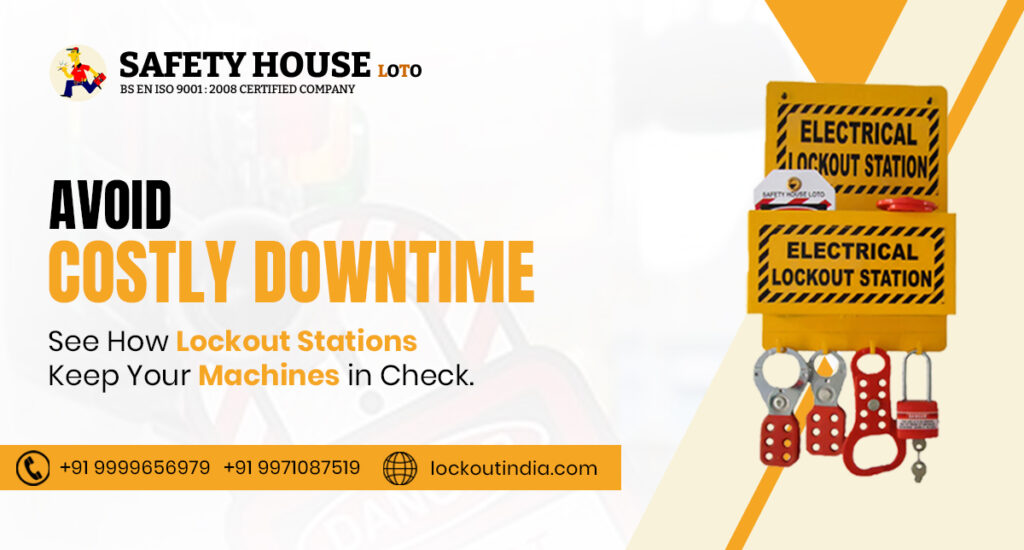
Avoid Costly Downtime – See How Lockout Stations Keep Your Machines in Check
Unplanned machine downtime is one of the biggest challenges faced by industrial facilities today. Beyond lost productivity, it often brings safety risks, repair expenses, and compliance issues. Many of these problems arise during maintenance or repair work when machines are not properly isolated from energy sources. This is where Lockout Stations play a critical role.
In this detailed guide, we’ll explore how Lockout Station help prevent costly downtime, improve workplace safety, and create a structured approach to energy control. Written in the context of Safety House Loto, this blog aims to give end users practical, real-world insights rather than generic advice.
Understanding the Real Cost of Downtime
Downtime is not just about machines standing still. It has a ripple effect across the entire operation.
- Production delays lead to missed deadlines
- Unexpected repairs increase maintenance budgets
- Worker injuries result in compensation claims and legal risk
- Non-compliance with safety regulations can attract penalties
Many of these issues stem from improper lockout–tagout practices. When maintenance teams cannot quickly access the right lockout devices, shortcuts happen—and shortcuts are costly.
What Are Lockout Stations?
Lockout Stations are centralized storage units designed to hold all essential lockout–tagout devices in one clearly visible, accessible location. They act as the command center for any lockout activity on the shop floor.
A well-organized station typically includes:
- Lockout Padlocks in multiple colors
- Hasps, tags, and circuit breaker lockouts
- Valve lockouts and cable devices
- A complete LOTO KIT for different applications
By keeping everything in one place, Lockout Stations eliminate confusion, save time, and ensure that safety procedures are followed consistently.
Why Lockout Stations Are Critical for Machine Safety
1. Faster Response During Maintenance
When a machine needs servicing, time matters. Searching for individual lockout devices wastes valuable minutes. With Lockout Stations, technicians immediately know where to find the correct LOTO KIT, reducing maintenance time without compromising safety.
2. Eliminating Human Error
Improper lockout is often caused by missing or mismatched devices. Centralized Lockout Stations reduce this risk by standardizing the lockout process and ensuring that approved Lockout Padlocks and accessories are always available.
3. Supporting Compliance and Audits
Safety audits demand proof of effective lockout–tagout systems. Clearly labeled Lockout Stations demonstrate a company’s commitment to safety and make compliance checks smoother.
How Lockout Stations Help Prevent Costly Downtime
Clear Visibility = Better Discipline
When Lockout Stations are installed near machines or maintenance zones, they act as constant visual reminders of safety protocols. Workers are less likely to bypass procedures when the tools are clearly in front of them.
Standardized Procedures Across Teams
Different shifts and departments often follow slightly different practices. Lockout Stations help standardize lockout routines, ensuring that everyone uses the same Lockout Padlocks, tags, and devices—every time.
Reduced Equipment Damage
Machines that are accidentally energized during maintenance can suffer severe damage. Using the correct LOTO KIT from a well-equipped Lockout Station protects not just workers, but the machines themselves.
Key Components of an Effective Lockout Station
Lockout Padlocks
These are the backbone of any lockout system. Unlike regular padlocks, Lockout Padlocks are designed for safety use:
- Non-conductive and corrosion-resistant
- Available in multiple colors for identification
- Unique keying options for accountability
LOTO KIT
A complete LOTO KIT includes devices for electrical, mechanical, hydraulic, and pneumatic energy sources. Having a full kit inside the Lockout Station ensures that no energy source is overlooked.
Tags and Hasps
Tags communicate critical information such as who locked the equipment and why. Hasps allow multiple workers to lock out the same machine safely during group maintenance.
Choosing the Right Lockout Station for Your Facility
Not all facilities have the same needs. Selecting the right Lockout Station depends on several factors:
- Size of the operation – Larger plants may need multiple stations
- Type of machinery – Determines the kind of lockout devices required
- Number of workers – Impacts the quantity of Lockout Padlocks needed
At Safety House Loto, Lockout Station are designed to be modular and scalable, making them suitable for small workshops as well as large industrial plants.
Best Practices for Using Lockout Stations Effectively
Train Your Team
Even the best Lockout Stations are ineffective without proper training. Workers must understand:
- When to use lockout–tagout
- How to select the correct LOTO KIT
- Why Lockout Padlocks should never be shared
Assign Responsibility
Designate safety officers or supervisors to inspect Lockout Stations regularly. Missing or damaged devices should be replaced immediately.
Place Stations Strategically
Lockout Stations should be installed near high-risk machines or maintenance zones—not hidden away in storage rooms.
Why Safety House Loto Is a Trusted Name
Safety House Loto specializes in providing high-quality Lockout Stations and lockout–tagout solutions designed for real industrial challenges. What sets us apart is our focus on usability, durability, and compliance.
- Robust Lockout Station built for industrial environments
- Premium Lockout Padlocks with reliable key systems
- Comprehensive LOTO KIT options for diverse applications
- Expert guidance to help you build a strong safety culture
By choosing Safety House Loto, organizations invest not just in products, but in long-term operational safety.
Lockout Stations: A Smart Investment, Not an Expense
Many companies view safety equipment as a cost. In reality, Lockout Stations are an investment that pays for itself by:
- Reducing unplanned downtime
- Preventing accidents and injuries
- Extending machine life
- Improving workforce confidence
When machines are properly locked out using standardized systems, maintenance becomes predictable and controlled—exactly what modern industries need.
Conclusion
Avoiding costly downtime starts with taking control of machine safety. Lockout Stations provide structure, visibility, and consistency to lockout–tagout practices, ensuring that machines remain secure during maintenance and repair.
With the right combination of Lockout Stations, Lockout Padlocks, and a complete LOTO KIT, industries can significantly reduce risks while improving efficiency. Safety House Loto remains committed to helping businesses protect their people, their machines, and their productivity—because safety done right is downtime avoided.

Portable vs. Stationary LOTO Kits: Which is Right for Your Business?
In modern industries, ensuring worker safety is not just a regulatory requirement—it’s a commitment to productivity, trust, and long-term growth. One of the most effective safety measures is implementing a LOTO Kit (Lockout Tagout Kit) that prevents accidental machine startups during maintenance. But the question most safety managers face is: Should we invest in portable LOTO kits or opt for stationary setups?
At Safety House Loto, we understand that no two businesses are alike. The right choice depends on your operational environment, workforce mobility, and scale of operations. Let’s break down both options and help you decide which fits your business best.
Understanding the Difference
- Portable LOTO Kit
Compact, lightweight, and designed for mobility. Ideal for technicians who move across multiple job sites or need quick access to tools.
- Stationary LOTO Kit
Installed in a fixed location, often wall-mounted, with organized storage for lockout devices. Best suited for large plants where equipment maintenance happens in a centralized manner.
Both options are designed to enforce compliance and prevent accidents—but choosing wisely can optimize efficiency and safety.
Advantages of Portable LOTO Kits
- Flexibility on the Move
For industries with mobile teams—like utilities, construction, or service contractors—a portable LOTO Kit ensures technicians always have the right tools at hand.
- Compact and Organized
These kits often include essentials like Lockout Padlocks, hasps, and tags in a single, easy-to-carry case.
- Adaptable Across Work Environments
Portable kits are ideal for businesses operating in varied climates and terrains, making them a preferred choice for field-based work.
💡 Hook: portable kits adapt effortlessly to such diverse requirements.
Advantages of Stationary LOTO Kits
- Centralized Safety Hub
Stationary kits act as a safety control point, where all employees can access lockout devices when needed.
- Organized with Smart Storage
Many stationary solutions include features like a key box for lock management, ensuring accountability and easy retrieval.
- Scalable for Larger Operations
For factories or plants running multiple shifts, a stationary LOTO Kit ensures consistency and readiness without relying on individual employees to carry their own tools.
The Role of Innovations in LOTO Systems
The choice between portable and stationary solutions is no longer limited to convenience. Today, innovations are reshaping how businesses view lockout solutions:
- Smart Racking Systems: Help in organizing devices within stationary kits for quick accessibility.
- Automated Retrieval: Digital systems integrated into stationary setups that track and release lockout devices with precision.
- Modular Systems: Both portable and stationary kits can now be customized based on the size of the team and type of machinery.
These innovations make both portable and stationary LOTO Kit solutions smarter, more efficient, and future-ready.
Key Factors to Consider Before Choosing
When deciding which type of LOTO Kit suits your business, consider the following:
- Nature of Work
- Mobile workforce → Portable Kit
- Fixed plant operations → Stationary Kit
- Workforce Size
- Small teams → Portable Kit is more practical.
- Large workforce → Stationary Kit ensures consistency.
- Frequency of Use
- Occasional maintenance → Portable Kit
- Regular lockouts → Stationary Kit with Lockout Kit accessories like tags and Lockout Padlocks.
- Compliance and Training
Regardless of your choice, training employees on correct usage is critical.
Why Choose Safety House Loto?
As a trusted safety solutions provider, Safety House Loto offers both portable and stationary LOTO Kit solutions tailored to your industry. From simple Lockout Kits for field operations to advanced stationary setups with key boxes and smart innovations, we provide end-to-end solutions that align with global safety standards.
Our products are engineered for durability, usability, and adaptability—whether you’re securing heavy industrial machinery or conducting routine service checks in dynamic environments.
Conclusion: Striking the Balance
The decision between portable and stationary LOTO Kit solutions ultimately depends on your operational style. Portable kits offer unmatched flexibility for mobile teams, while stationary kits provide robust, centralized control for large plants. With ongoing innovations like modular systems and automated retrieval, both options are becoming increasingly powerful.
The most important factor is commitment to safety. By choosing the right LOTO Kit, your business not only ensures compliance but also builds a culture of protection, efficiency, and trust.
Whether you’re leaning towards portable convenience or stationary reliability, Safety House Loto ensures you have access to world-class safety solution.

Creating a Custom LOTO Kit: What to Include for Your Unique Facility Needs
Lockout/Tagout (LOTO) is a crucial safety practice in any industrial or manufacturing environment. It ensures that energy sources are effectively isolated during maintenance or repair, preventing accidental equipment startups and safeguarding workers. While standard kits are available in the market, not every facility has identical equipment or operational requirements. Creating a custom LOTO kit allows you to tailor safety solutions for your unique needs, ensuring compliance with safety standards and improving on-site efficiency.
In this blog, we’ll explore the essentials of building a personalized Lockout Kit, what to consider while selecting components, and how partnering with a reliable lockout supplier can make the process seamless.
Why Customize Your LOTO Kit?
A generic LOTO kit may not always align with the specific machines, energy sources, or workflows in your facility. Customizing your kit ensures:
- Better Compatibility: Each machine may require different devices (valve lockouts, breaker lockouts, etc.). A custom kit ensures everything fits properly.
- Improved Safety Compliance: OSHA and other local safety guidelines often require facility-specific procedures. Tailored kits help meet these requirements.
- Enhanced Accessibility: Workers spend less time searching for the right lockout tools when the kit is designed around their daily needs.
- Cost-Effectiveness: You avoid purchasing unnecessary components and invest only in what your facility truly requires.
Assessing Your Facility’s Lockout Needs
Before putting together a custom LOTO kit, conduct a thorough hazard assessment:
- Identify All Energy Sources
List every type of energy present—electrical, mechanical, hydraulic, pneumatic, chemical, or thermal. This determines what kind of lockout devices you need.
- Audit Equipment and Isolation Points
Document isolation points for each machine. For example, do you have large gate valves, miniature circuit breakers, or plug connections?
- Evaluate Workforce Requirements
How many employees perform maintenance simultaneously? This influences the number of padlocks, tags, and hasps needed in your kit.
- Review Compliance Standards
Refer to OSHA 29 CFR 1910.147 or equivalent regional standards to ensure your kit aligns with legal obligations.
Essential Components of a Custom Lockout Kit
While customization is key, some components are fundamental to any Lockout Kit. Here’s what your kit should include:
1. Lockout Padlocks
- Purpose: Physically secure isolation points to prevent accidental re-energization.
- Features to Consider:
- Non-conductive or stainless-steel bodies for durability.
- Color-coded options for identifying users or departments.
- Unique keying systems (keyed alike, differently, or master-keyed).
2. Lockout Hasps
- Purpose: Allow multiple workers to lock a single isolation point simultaneously.
- Types:
- Steel hasps for rugged industrial environments.
- Nylon hasps for non-conductive applications.
3. Circuit Breaker Lockouts
- Purpose: Prevent accidental activation of circuit breakers during electrical maintenance.
- Variants: Clamp-on, snap-on, and universal designs depending on breaker size and configuration.
4. Valve Lockouts
- Purpose: Secure valves controlling hydraulic, pneumatic, or chemical energy.
- Types:
- Ball valve lockouts
- Gate valve lockouts
- Butterfly valve lockouts
5. Cable Lockouts
- Purpose: Versatile devices that can lock out multiple points or irregularly shaped handles.
6. Lockout Tags
- Purpose: Provide critical information such as the reason for lockout, name of the person performing maintenance, and expected completion time.
- Material Consideration: Weather-resistant and tear-proof tags enhance durability.
7. Group Lockout Boxes
- Purpose: Centralize lockout keys when multiple workers are involved in a single maintenance operation, ensuring no single person can remove locks prematurely.
8. Portable Storage Solutions
- Purpose: Carrying cases, pouches, or wall-mounted boards help keep the kit organized and accessible near work areas.
Tailoring the Kit to Your Industry
Different industries have unique energy isolation challenges. Here are examples of customization:
- Manufacturing Plants: Often require a higher volume of circuit breaker lockouts and valve devices.
- Food & Beverage Facilities: Non-corrosive and sanitary materials (like stainless steel) are critical.
- Oil & Gas Sector: Explosion-proof or weather-resistant components are necessary for outdoor use.
- Automotive Workshops: Portable and compact kits for maintenance on dispersed equipment.
Choosing the Right Lockout Supplier
The quality and reliability of your lockout kit depend heavily on the supplier you choose. Here’s what to look for:
- Compliance Assurance: Ensure the supplier provides OSHA-compliant products.
- Customization Support: A good supplier assists in creating tailored kits based on your facility audit.
- Durability and Quality: Industrial environments demand rugged, high-quality devices.
- Training and Support: Some suppliers also provide lockout/tagout training for employees, which can significantly enhance safety culture.
Safety House Loto, for example, is a trusted name in the industry known for delivering durable lockout solutions and supporting companies in building both standard and customized kits.
Maintaining and Reviewing Your LOTO Kit
Building the kit is just the first step. To ensure continued effectiveness:
- Regular Inspections
Check for wear and tear, missing components, or damaged tags.
- Update as Equipment Changes
Add or modify devices whenever new machines or processes are introduced.
- Train Employees
Ensure all authorized personnel know how to use the devices in the kit properly.
- Audit Annually
Conduct yearly reviews to confirm compliance with evolving safety regulations and workplace changes.
Final Thoughts
A custom LOTO kit is more than just a collection of tools—it’s a crucial part of your facility’s safety culture. By tailoring the kit to your unique equipment and workforce, you not only meet compliance standards but also foster a safer, more efficient work environment. Partnering with a reputable lockout supplier like Safety House Loto ensures that every component in your kit is reliable, compliant, and suited to your operational needs.
Investing time in building and maintaining the right kit today can prevent accidents, protect workers, and save your organization from costly downtime tomorrow.
Ready to design a LOTO kit that fits your facility perfectly?
Contact Safety House Loto today to get expert guidance and high-quality lockout solutions tailored to your requirements.

Lockout Kit Essentials for Different Industries: Tailoring Safety Solutions
Introduction
In industries where machinery and equipment pose significant safety risks, a well-organized lockout/tagout (LOTO) kit is crucial for ensuring worker safety. Lockout kits are essential tools that help prevent accidental machine start-ups during maintenance or repair activities. However, different industries have unique requirements, and tailoring lockout solutions to these specific needs is vital. Safety House Loto offers comprehensive lockout/tagout products designed to meet these diverse demands.
Why Lockout/Tagout Kits Are Important
Lockout/tagout kits play a pivotal role in protecting workers from hazardous energy sources during maintenance or service operations. By using a LOTO kit, you ensure that machines are properly shut down and cannot be accidentally reactivated, thus preventing injuries and fatalities. The effectiveness of these kits depends on their suitability for the specific machinery and environment in which they are used.
Tailoring Lockout Kits for Different Industries
1. Manufacturing
In manufacturing settings, lockout/tagout kits need to address various types of machinery, including presses, conveyors, and injection molding machines. Essential components of a manufacturing LOTO kit typically include:
- Padlocks: Durable and high-security lockout padlocks to lock out machinery.
- Hasps: Multi-lock hasps to accommodate multiple lockout points.
- Tags and Labels: Clear and durable tags to indicate that machinery is under maintenance.
2. Construction
Construction sites present unique challenges for lockout/tagout due to the variety of equipment and energy sources used. A construction-specific lockout kit should include:
- Lockout Devices for Electrical Panels: Devices to isolate electrical sources, such as circuit breaker lockouts.
- Valve Lockouts: For controlling the flow of hazardous substances through pipes and valves.
- Portable Lockout Kits: Easy-to-carry kits for use across different job sites.
3. Oil and Gas
The oil and gas industry requires robust lockout/tagout solutions due to the high-risk environment and complex machinery involved. A specialized lockout kit for this industry might include:
- High-Temperature Lockout Devices: To withstand extreme conditions.
- Pneumatic Lockouts: For isolating pneumatic energy sources.
- Custom Tags: To comply with industry-specific safety standards and regulations.
4. Utilities
Utility companies deal with large-scale electrical and mechanical systems that require comprehensive lockout/tagout solutions. Essential components for a utility lockout kit include:
- Electrical Lockout Devices: For isolating high-voltage circuits.
- Valve Lockout Devices: For controlling utility pipelines.
- Lockout Tags: To provide clear, informative warnings.
Key Considerations When Choosing a Lockout Kit
1. Compliance with Regulations
Ensure that your lockout kit meets the safety standards and regulations applicable to your industry. Compliance helps in avoiding legal issues and ensures worker safety.
2. Customization
Choose a lockout kit that can be customized to fit the specific needs of your equipment and work environment. A tailored kit ensures that all potential energy sources are properly addressed.
3. Quality and Durability
Invest in high-quality, durable lockout/tagout products that can withstand the rigors of your industry. Reliable products contribute to effective safety management and long-term cost savings.
Conclusion
Lockout/tagout kits are essential for maintaining a safe working environment across various industries. Tailoring these kits to the specific needs of your industry ensures that all potential hazards are effectively managed. Safety House Loto provides a range of lockout tagout products designed to meet the unique requirements of different sectors. By investing in a customized lockout kit, you protect your workforce, comply with safety regulations, and enhance overall operational efficiency.
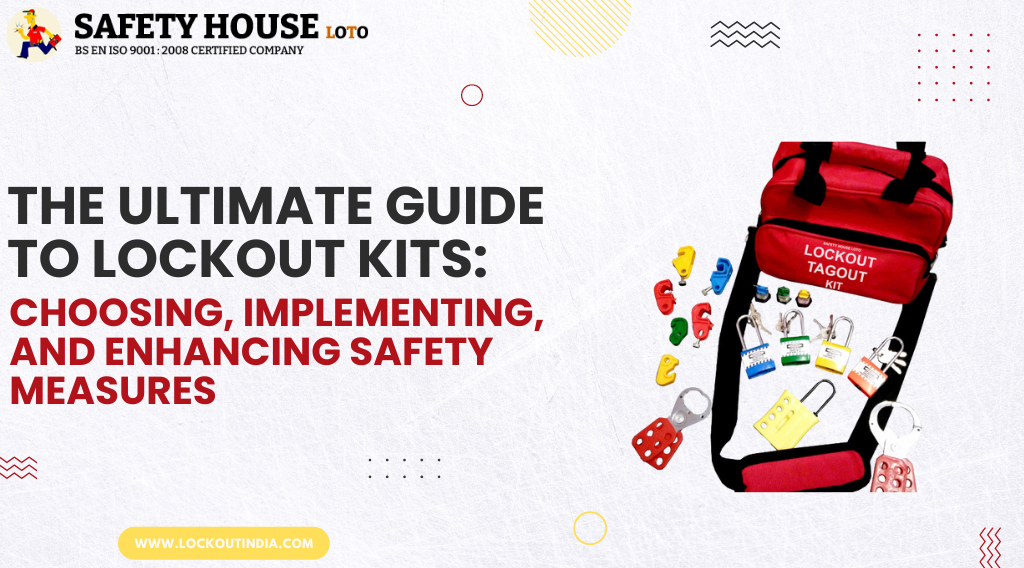
The Ultimate Guide to Lockout Kits: Choosing, Implementing, and Enhancing Safety Measures
Lockout kits, also known as LOTO kits, are an essential component of workplace safety. These kits provide workers with the necessary tools and equipment to isolate machinery or equipment from its energy source during maintenance or repair work. Failure to implement proper lockout procedures can result in serious injuries or even fatal accidents. In this ultimate guide, we’ll explore the different types of lockout kits available on the market today and discuss what you need to look for when choosing one for your business. We’ll also cover how to implement a lockout kit effectively and enhance overall safety measures in your workplace. So let’s dive in!
What Is A Lockout Kit?
A lockout kit, also known as a LOTO kit, is a collection of tools and equipment designed to help workers isolate machinery or equipment from its energy source. Lockout kits typically consist of padlocks, hasps, tags, circuit breakers, and other safety devices that prevent the accidental release of hazardous energy.
When using a lockout kit, workers are required to follow specific procedures before performing maintenance or repair work on the equipment. These procedures involve isolating the energy source and ensuring that it cannot be re-energized until work is completed.
Lockout kits can come in various sizes and configurations depending on the type of machinery or equipment being serviced. Some kits may include specialized devices such as valve lockouts or electrical disconnects for specific applications.
Implementing proper lockout/tag-out procedures with a lockout kit helps ensure worker safety by preventing accidents caused by unexpected energization during servicing activities.
The Different Types Of Lockout Kits
Lockout kits come in various forms to cater to different industries and applications. The types of lockout kits that are available include electrical, mechanical, pneumatic, hydraulic, and combination lockout kits.
Electrical lockout kits are designed to prevent the accidental or unauthorized operation of electrical equipment during maintenance or repair work.
Mechanical lockout kits contain devices such as lockout padlocks and loto hasps which can be used to secure machinery with moving parts.
Pneumatic lockout kits prevent compressed air from being released accidentally during servicing procedures on pneumatically operated machines.
Hydraulic lockout kits similarly protect against any hydraulic energy that could potentially harm workers when working on hydraulic-powered systems.
Combination lockout kits may include a mix of devices from each category depending on the specific needs of a workplace.
When choosing a type of kit, it is important to ensure that it meets all relevant safety standards for your industry and application.
Pros and Cons Of a Lockout Kit
A lockout kit is an essential tool for any workplace that uses heavy machinery or equipment. It enables workers to safely shut down and isolate the energy source of a machine, ensuring that no one can accidentally start it up again while repairs are being made.
One of the major advantages of a lockout kit is increased safety. By making sure machinery cannot be turned on during maintenance or repairs, employees are protected from potentially dangerous accidents. Another benefit is compliance with OSHA regulations; using a lockout kit demonstrates a commitment to worker safety, which can prevent costly fines and lawsuits.
However, there are some downsides to using a lockout kit. One potential issue is decreased productivity, as shutting down machinery takes time away from production. Additionally, if not used correctly or consistently by all employees, a lockout system could lead to confusion and mistakes.
The benefits of implementing a reliable lockout system far outweigh any potential drawbacks. With proper training and usage guidelines in place, businesses can ensure their workers’ safety while maintaining efficient operations.
What to Look for When Choosing a Lockout Kit?
When it comes to choosing the right lockout kit for your workplace, there are several factors that you should consider. First and foremost, you must ensure that the kit meets all relevant safety standards and regulations.
Another important consideration is the size of your facility. If you have a large facility with many different types of machinery and equipment, you may need a more comprehensive lockout kit that includes a wide range of devices and tools.
It’s also important to choose a lockout kit that is easy to use and understand. Look for kits with clear instructions and diagrams so that employees can quickly learn how to properly secure equipment during maintenance or repair work.
Durability is also crucial when selecting a lockout kit. Your chosen kit should be able to withstand frequent use in harsh industrial environments without breaking down or losing effectiveness over time.
Consider purchasing from reputable manufacturers who offer good quality customer service, warranties, and technical support. This ensures that any issues or questions will be addressed promptly if they arise in the future.
Implementing a Lockout Kit
Implementing a lockout kit is an essential step in ensuring the safety of workers who operate machinery and equipment. The process involves creating standard procedures to isolate energy sources before performing maintenance or repairs.
The first step in implementing a lockout kit is to identify all possible energy sources that could cause harm. This includes electrical, hydraulic, mechanical, pneumatic and chemical energy sources. Once identified, each energy source must be isolated using the appropriate locks and tags from the kit.
It’s crucial to train employees on how to use lockout kits correctly as part of their job responsibilities. This training should emphasize the importance of following procedures strictly for every machine they work with.
After implementing a lockout procedure, it’s essential to conduct regular audits and inspections to ensure employee and management compliance. These assessments help identify any gaps in implementation so that corrective measures can be taken before accidents occur.
Implementing a lockout kit requires careful identification of potential hazards followed by strict procedural guidelines for isolating those hazards through locking out all forms of hazardous energy sources.
This ensures worker safety when maintaining or repairing machines while also reducing risks associated with such equipment operations.
Enhancing Safety Measures with a Lockout Kit
Lockout kits are a valuable tool for ensuring the safety of employees who work in settings where hazardous energy sources are present. However, simply having a lockout kit is not enough to guarantee workplace safety. It’s crucial to implement proper procedures and protocols to ensure that the kits are being used correctly.
One way to enhance safety measures with a lockout kit is by creating written procedures outlining how and when the equipment should be used. These procedures should include information on which machines or equipment require locking out, as well as specific steps for using the lockout kit properly.
Another important step in enhancing safety measures with a lockout kit is training employees on proper usage and maintenance of the equipment. This includes teaching them about different types of energy sources, identifying potential hazards, and demonstrating how to use each component of the kit.
It’s also essential to regularly inspect all lockout devices and replace any damaged or worn-out components promptly. Keeping an inventory of your company’s current supplies can help you stay ahead of future needs so that you’re never caught without necessary items.
It’s always wise to review your LOTO program periodically; this ensures that everything continues running smoothly while addressing changing conditions or needs within individual departments. With careful planning and attention-to-detail during implementation, businesses can successfully improve their overall level of workplace safety through comprehensive LOTO programs bolstered with reliable tools such as quality Lock Out/Tag Out (LOTO) Kits.
Conclusion
Lockout kits are an indispensable tool for keeping employees safe while working on potentially dangerous machinery or equipment. By using lockout kits, employers can effectively prevent accidents caused by unexpected start-ups and releases of stored energy.
When choosing a lockout kit, it’s important to consider the specific needs of your workplace and ensure that the kit includes all necessary components. Once implemented, it’s crucial to train employees on how to properly use the kit as part of their safety training.
Enhancing safety measures with a lockout kit doesn’t have to be complicated or expensive. By following best practices and regularly reviewing your procedures, you can create a safer work environment for everyone involved.
Investing in high-quality lockout kits is essential for any organization looking to prioritize employee safety. Taking the time to choose the right kit and properly implement its usage will go a long way towards preventing accidents in your workplace.
Checkout Our Popular Products:
- Osha lock
- Lockout station
- Scaffold Tag
- MCB Lockout
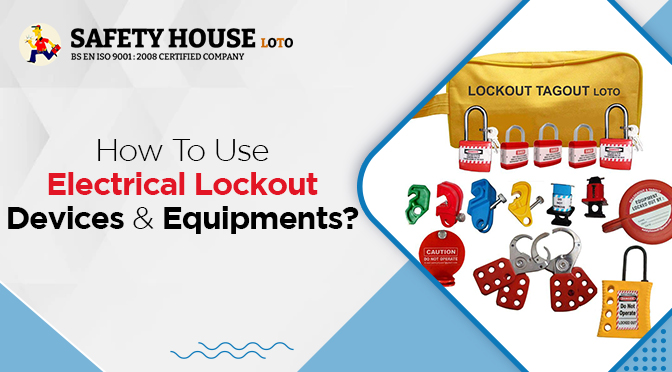
How to Use Electrical Lockout Devices and Equipments?
When utilized in industrial high voltage or low voltage applications, electrical lockout devices may help prevent electrical accidents by ensuring that electrical systems are properly shut off. One of the most common methods of preventing accidental or unintentional access to electrical power sources is implementing a Lockout-Tagout technique (LOTO).
Using this secure process, every person working on the same circuit or piece of equipment has a lock that they fasten to a disconnect device before starting their job.
Lockout operations are complete when the disconnect switch or isolation device is free of all locks and lockout devices, indicating that the last worker has granted permission for the line to be re-energized after the lockout operation has been completed.
Procedure to Use the Electrical Lockout Tagout Devices
A normal lockout Tagout method calls for locating all possible power sources. A qualified worker must properly inform on the scope of the operation before they shut down the line or circuit. The following are some of the methods on how to use Electrical Lockout Devices and Equipment.
Locate the process that will follow
Binders or lockout Tagout software may use in your organization. First, locate the steps to use electrical lockout devices necessary for the machine you will be working on and follow them to completion.
According to the manufacturer’s recommendations, this technique should describe the step-by-step approach for shutting down and restarting the equipment. Read More: What Are The Usage Of Electrical Plug Lockouts?
Notify any concerned persons
Any work on the equipment must complete only after all co-workers, contractors, and other parties who may inform of the project’s progress. In addition, if any adjustments need to be made to work procedures, make sure that everyone is informed of these changes.
Find all energy sources
The Lockout Tagout technique you are using should include all of the energy sources that need to be disconnected or isolated. It may even be able to produce images that reveal the specific position of the harmful energy source. Read More: Electrical Panel Lockout Switches With Safety
Turn off the machine
The lockout Tagout method should include a list of the procedures to be taken to do this and specific instructions on how to shut down the equipment. Some devices or equipment need several steps to be completed before they may be shut down. Moreover, Valve Lockout is the major equipment that is used to block harmful and hazardous materials from pipes supplies.
Lockout and tag all energy isolators
Make use of the locks and tags that have been assigned to you. In most cases, this requires permission. If more than one person is engaged in the maintenance or service of the machine or equipment, each individual must connect their lock or tag to the energy isolating device.
From the Loto Kit, using Electrical Lockout Devices and Equipment can improve employee productivity and efficiency. It also prevents issues from arising in the first place, which leads to a safer working environment.
These are the Popular Safety House LOTO Products
>> MCB Lockout
>> Group Lockout Box
>> Scaffold Tag
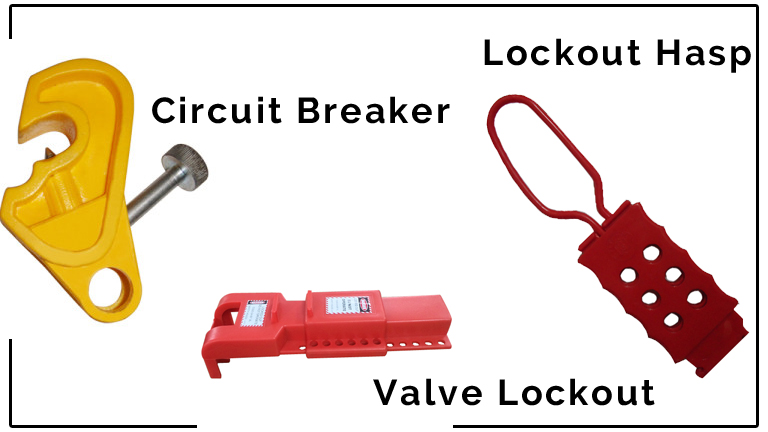
3 Common LOTO Safety Range Of Products
Hasps – At ‘Safety House – LOTO’, the best manufacturer of lockout products in India, the product range of hasps includes dielectric hasp, double jaw hasp/ dual jaw hasp and electroplated hasp. But what is a hasp? And what do they do? More than one worker often performs repair/ maintenance on a piece of equipment. Ideal for group lockout procedures, a hasp lets more than one worker to put padlock and lockout an energy source. It ensures that they remain safe. lockout supplier
Circuit Breaker Lockout – Our website ‘Lockout India’ lists an impressive range these LOTO devices that are used to isolate a particular breaker in a circuit breaker panel. Have a look at our Circuit Breaker Lockout page to see our large circuit breaker lockout, MCB lockout, MCB pin lockout, mini circuit breaker lockout and more. These lockout the breakers of all major brands. Once a breaker has been isolated, the whole breaker box doesn’t require locking out.
Valve Lockout – Valve lockouts are used for shutting off gas or fluid valves. Preventing these valves, including ball valve (Commonly used handles that are turned at 90° to shut off.), cylinder valve, butterfly valve and gate valve (These are round knobs.), from opening is important, when repair work/ maintenance is being performed. While gate valve lockouts are measured by their diameter, ball valve lockouts are determined by the handle length. You may also like to have a look at our butterfly valve lockout.
Checkout Our Other Lockout Tagout Products:
- Scaffold Tag
- MCB Lockout
- Lockout Padlocks
- Lockout Kit
Enquire Now
