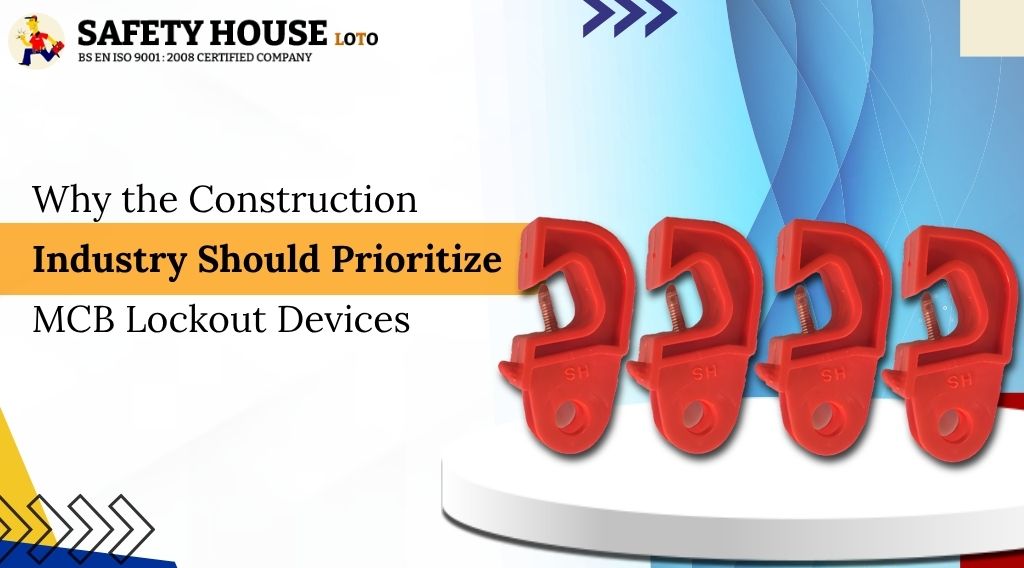
Why the Construction Industry Should Prioritize MCB Lockout Devices
MCB Lockout Devices: A Critical Safety Tool for Modern Construction Sites
Electrical safety is one of the most critical challenges in the construction industry. With multiple teams working simultaneously, heavy machinery running across the site, and temporary electrical setups being installed and removed regularly, the risk of accidental energization is extremely high. This is where MCB Lockout devices play a vital role in strengthening workplace safety and ensuring compliance with global safety standards.
In industries where even a small electrical mistake can put lives at risk, implementing the right Lockout Tagout Products is not optional—it is a responsibility. Among these safety tools, MCB lockouts are often underestimated, yet they offer one of the most effective ways to prevent electrical accidents on construction sites.
Understanding the Importance of MCB Lockout Devices
An MCB (Miniature Circuit Breaker) is designed to protect electrical circuits from overloads and short circuits. But in a busy construction environment, simply switching off an MCB is not enough. Workers may accidentally re-energize a circuit, or someone may turn it on without knowing maintenance is in progress.
MCB Lockout Devices Add a Critical Layer of Protection
These devices physically block the MCB from being turned on. Once locked, the breaker cannot be operated until authorized personnel remove the lockout. This ensures:
- Zero accidental switch-on
- Safe maintenance and repairs
- Compliance with LOTO safety protocols
- Controlled access to energy sources
This level of mechanical control significantly reduces the chances of electrical injuries, which remain one of the leading causes of construction-site accidents.
Why the Construction Industry Needs MCB Lockout Devices More Than Ever
1. Increasing Electrical Work on Modern Sites
Modern construction processes involve extensive use of electrical machinery, power tools, temporary wiring, and portable distribution boards. With so many power sources active at the same time, it becomes crucial to isolate circuits during repair, installation, or inspection.
MCB lockouts ensure these circuits remain off until the work is verified and completed.
2. Preventing Human Errors and Miscommunication
Construction sites often have multiple teams—electricians, welders, fitters, painters, and contractors—working simultaneously. Miscommunication is a common challenge.
Without a proper lockout device:
- Someone may unknowingly energize a circuit being worked on.
- Multiple workers may assume a circuit is safe when it’s not.
- Maintenance may start without ensuring energy isolation.
Using MCB lockouts minimizes dependency on verbal communication or handwritten notices and replaces them with a secure, physical lockout mechanism.
3. Compliance With Global Safety Standards
International regulations such as OSHA, ISO 45001, and NFPA require proper lockout-tagout procedures for controlling hazardous energy. Construction companies aiming for global safety compliance must integrate LOTO systems into daily site operations.
MCB lockouts are a fundamental part of a compliant LOTO setup and help create a transparent, accountable safety environment.
4. Protecting Workers From Electrocution and Arc Flash Risks
One accidental energization can lead to:
- Severe electric shocks
- Burns
- Arc flash explosions
- Fatalities
Construction workers frequently handle metal tools, work in wet environments, and operate near energized equipment—all of which increase the risk. An MCB lockout ensures that no electrical line becomes live unexpectedly, drastically reducing these hazards.
5. Controlling Temporary Electrical Installations
Temporary electrical wiring is the backbone of most construction sites. But it’s also one of the most fragile and accident-prone systems. Temporary circuits often have:
- Exposed wires
- Quick installations
- Frequent load changes
- High vibration and dust exposure
MCB lockout devices help secure these temporary circuits during expansion, shifting, or repair, preventing accidental electrical flow.
How MCB Lockout Devices Improve Overall Site Efficiency
Many believe lockout devices slow down work, but in reality, they streamline operations by making tasks more organized and safer.
Better Maintenance Planning
When a circuit is locked out and tagged, everyone on the site knows:
- Who is working on the system
- What type of maintenance is ongoing
- When the system will be restored
This improves coordination between teams and reduces downtime.
Reduced Risk = Reduced Costs
Electrical accidents lead to:
- Medical emergencies
- Compensation claims
- Equipment damage
- Project delays
Investing in MCB lockouts is a small cost that prevents major losses.
Types of MCB Lockout Devices Commonly Used in Construction
Construction sites require a mix of lockout devices depending on the type of breaker. Common options include:
1. Pin-In MCB Lockouts
Designed for breakers with internal gripping points.
2. Pin-Out MCB Lockouts
Used for breakers with external gripping mechanisms.
3. Universal MCB Lockout
Compatible with a wide range of breaker designs.
4. Clamp-On Type Lockouts
Ideal for larger MCBs with stronger locking requirements.
Selecting the right type ensures maximum grip and reliable isolation.
Conclusion
Prioritizing electrical safety is non-negotiable in the construction industry. MCB Lockout devices offer a simple but powerful way to control hazardous energy, prevent accidents, and maintain industry-standard safety practices. When paired with high-quality Lockout Tagout Products, they create a safer, more controlled workspace for everyone on site.
For companies looking to enhance their electrical safety protocols, investing in reliable lockout solutions from trusted brands like Safety House Loto is a smart step toward building a secure and compliant construction environment.
Frequently Asked Questions (FAQs)
1. What is an MCB Lockout device used for?
An MCB lockout device is used to physically prevent a miniature circuit breaker from being switched on during maintenance or repair work.
2. Why are MCB lockouts important for construction sites?
They prevent accidental energization, ensuring worker safety and compliance with LOTO safety procedures.
3. Are MCB lockout devices mandatory?
Many international safety standards require proper lockout-tagout practices, which include MCB lockouts for electrical isolation.
4. Can one lockout device fit all types of breakers?
Not always. While universal lockouts exist, selecting a device based on breaker type ensures maximum safety.
5. How do MCB lockouts help reduce accidents?
They stop unauthorized or accidental switch-on of electrical circuits, preventing electric shocks, burns, and arc flash incidents.

LOTO Tags vs. Lockout Devices: Understanding the Difference
In industrial and workplace settings, ensuring the safety of employees around machinery and equipment is paramount. One of the most effective safety practices in this regard is the Lockout/Tagout (LOTO) system. Safety House LOTO emphasizes the importance of proper LOTO implementation to prevent accidents, injuries, and fatalities. However, there is often confusion between LOTO tags and lockout devices, two key components of this safety procedure. Understanding the difference between them is crucial for workplace safety compliance and efficiency.
What is Lockout/Tagout (LOTO)?
Before diving into the specifics, it’s essential to understand what LOTO entails. Lockout/Tagout refers to a safety procedure used to ensure that machines and equipment are properly shut off and cannot be started up again before maintenance or servicing is complete. LOTO procedures are critical in preventing accidental energization, which could lead to serious injuries or even death.
The two main components of LOTO are:
- Lockout devices – physical locks used to isolate energy sources.
- LOTO tags – warning tags that indicate a machine is under maintenance and should not be operated.
While they work together, their purposes and applications differ significantly.
What Are LOTO Tags?
LOTO tags are visual warning indicators attached to machinery or energy-isolating devices. They do not physically prevent the operation of equipment; instead, they communicate crucial information about the status of the machinery.
Key features of LOTO tags include:
- Warning Information: Lockout tags display warnings such as “Do Not Operate” and include details like the name of the person performing maintenance, date, and reason for lockout.
- Durability: Made from durable materials, LOTO tags are designed to withstand harsh industrial environments.
- Compliance: Using proper LOTO tag is often a legal requirement under occupational safety regulations.
LOTO tags serve as an essential communication tool. They ensure that anyone approaching the equipment understands that it is under maintenance and should not be operated.
What Are Lockout Devices?
Lockout devices are physical devices that secure energy-isolating equipment, such as circuit breakers, valves, or switches, in the “off” position. Unlike tags, lockout devices prevent machinery from being accidentally energized.
Common types of lockout devices include:
- Padlocks: The most widely used lockout device, padlocks prevent unauthorized access to energy sources.
- Valve Lockouts: These devices secure valves to prevent the flow of liquids or gases during maintenance.
- Circuit Breaker Lockouts: These lock devices ensure electrical circuits remain de-energized during servicing.
- Plug Lockouts: These prevent electrical plugs from being inserted into live outlets.
By physically isolating the energy source, lockout devices provide a higher level of safety compared to tags alone.
Key Differences Between LOTO Tags and Lockout Devices
Understanding the distinction between LOTO tags and lockout devices is essential for effective workplace safety. Here are the main differences:
| Feature |
LOTO Tags |
Lockout Devices |
| Function |
Provides a visual warning |
Physically prevents operation |
| Safety Level |
Informational |
Physical isolation, higher safety |
| Usage |
Attached to machines or energy sources |
Used on switches, valves, circuit breakers, and plugs |
| Compliance Requirement |
Mandatory in most LOTO procedures |
Mandatory for effective lockout |
It is important to note that LOTO tags do not replace lockout devices. They are most effective when used together: lockout devices prevent accidental operation, and LOTO tags communicate critical information to workers.
Best Practices for Using LOTO Tags and Devices
For optimal safety, follow these best practices recommended by Safety House LOTO:
- Train Employees: Ensure all workers understand the difference between LOTO tags and lockout devices and know how to use them correctly.
- Use Durable Tags and Devices: Industrial environments can be harsh; choose tags and lockout devices that can withstand weather, chemicals, and mechanical wear.
- Clear Information: LOTO tags should include the technician’s name, date, and reason for lockout to avoid confusion.
- Regular Inspections: Periodically inspect lockout devices and tags to ensure they are in good condition and compliant with safety standards.
- Follow Standard Procedures: Adhere strictly to company and legal LOTO procedures to prevent accidents.
Why Safety House LOTO Recommends Combining Both
While LOTO tag are critical for communication, they cannot physically stop machinery from being turned on. Lockout devices, on the other hand, provide the physical barrier needed to isolate energy. Combining both ensures a comprehensive approach:
- Maximum Safety: Workers are visually warned and physically prevented from accidental operation.
- Regulatory Compliance: Many occupational safety regulations mandate the use of both tags and lockout devices.
- Reduced Accidents: Studies show that proper LOTO procedures significantly reduce workplace injuries during maintenance.
Conclusion
In conclusion, LOTO tags and lockout devices are both essential components of a robust Lockout/Tagout program. While LOTO tag provide vital communication to workers, lockout devices physically prevent equipment from being operated. Safety House LOTO emphasizes using both in tandem for maximum workplace safety and compliance. By understanding their differences and implementing best practices, businesses can protect their employees, reduce accidents, and maintain regulatory compliance.
Proper use of LOTO tags and lockout devices is not just a legal requirement; it’s a commitment to creating a safe and responsible workplace.

LOTO Lock for Electrical Safety: Best Practices for Maintenance Teams
Electrical maintenance work presents some of the most serious hazards in industrial environments. Every year, workers suffer severe injuries or fatalities from unexpected electrical energy release during maintenance procedures. Implementing proper loto lock protocols with the right equipment forms the foundation of electrical safety, protecting maintenance teams from potentially deadly accidents.
Understanding the Critical Role of LOTO Locks
A quality loto lock serves as the primary barrier between maintenance personnel and dangerous electrical energy. Unlike standard padlocks, these specialized devices are engineered specifically for lockout applications, featuring unique keying systems, durable construction, and clear identification capabilities. The lock physically prevents circuit breakers from being energized while maintenance work occurs, creating an impenetrable safety barrier.
The consequences of inadequate lockout procedures are severe. According to safety statistics, electrical accidents account for a significant percentage of workplace fatalities, with many incidents occurring during maintenance activities. Proper lockout procedures, supported by reliable equipment, can eliminate these preventable tragedies.
Essential Features of Effective Lockout Padlocks
Durability and Material Construction
Industrial environments demand robust equipment that withstands harsh conditions. High-quality lockout padlocks feature corrosion-resistant materials, typically including hardened steel shackles and polymer bodies that resist chemicals, temperature extremes, and physical abuse. The lock mechanism itself must operate reliably even after extended exposure to dust, moisture, and vibration.
Unique Keying Systems
Every maintenance worker requires their own uniquely keyed lock to ensure individual accountability. This prevents unauthorized removal and guarantees that only the person who applied the loto lock can remove it. Some organizations implement master keying systems for supervisory override capabilities, though this requires careful management to maintain security integrity.
Clear Identification Methods
Visual identification capabilities allow quick recognition of who applied each lock and when. Color-coding systems, engraved employee names, or photo identification tags help supervisors track lockout status at a glance. This visibility becomes crucial during shift changes or emergency situations where rapid assessment is necessary.
Selecting the Right Lockout Supplier
Quality Assurance Standards
When it comes to safety, there’s no room for compromise. Safety House Loto ensures that every product meets stringent international safety and quality standards. Our lockout/tagout devices are certified by globally recognized testing organizations and are manufactured under rigorous quality control processes. We provide complete documentation—including product specifications, test reports, and compliance certificates—so you can be confident in the integrity of every device.
Product Range and Customization
We understand that no two electrical systems are alike. That’s why we offer an extensive range of lockout solutions, including varied lock sizes, shackle lengths, and devices for specialized applications. Need tailored solutions? We also provide customization services like engraving, color coding, and unique keying options, designed to meet your specific operational requirements.
Technical Support and Training
We’re more than just a supplier—we’re your safety partner. Our team of experts brings in-depth knowledge of lockout/tagout applications and is ready to assist with selecting the right equipment for your systems. From procedural development to addressing complex lockout scenarios, Safety House Loto offers comprehensive technical support and hands-on training to ensure your workplace remains safe and compliant.
Implementation Best Practices for Maintenance Teams
1. Comprehensive Procedure Development
Effective loto lock procedures begin with thorough energy source identification. Maintenance teams must map all electrical circuits, identify isolation points, and document step-by-step loto lock sequences. These procedures should account for stored energy, backup power systems, and interconnected circuits that might not be immediately obvious.
2. Regular Training and Competency Verification
Initial training alone is insufficient for maintaining safety standards. Regular refresher sessions, hands-on practice, and competency testing ensure that maintenance personnel retain critical skills and stay current with procedure updates. Training should cover both standard loto lock procedures and emergency response protocols.
3. Equipment Inspection and Maintenance
Even the most reliable loto lock equipment requires periodic inspection and maintenance. Establish schedules for checking lock functionality, key operation, and identification markings. Replace worn or damaged equipment immediately, as compromised locks can create false security and dangerous situations.
4. Documentation and Accountability
Maintaining detailed records of lockout activities creates accountability and helps identify improvement opportunities. Documentation should include energy source verification, lock application times, work performed, and removal authorization. This information proves valuable for procedure refinement and regulatory compliance.
Common Challenges and Solutions
Weather exposure can affect lock performance, particularly in outdoor installations. Selecting locks with appropriate environmental ratings and implementing protective measures helps maintain reliable operation. Similarly, dealing with multiple energy sources requires careful coordination and sometimes specialized lockout devices designed for complex systems.
Conclusion
Electrical maintenance safety depends on combining proper procedures with reliable equipment from trusted suppliers. Quality lockout padlocks form the cornerstone of effective energy control, protecting maintenance teams from serious injuries and fatalities. Safety House Loto remains committed to providing maintenance professionals with the tools and knowledge necessary to work safely around electrical hazards. Remember that every properly applied loto lock represents a life protected and a family kept whole.

Top 5 Reasons Your Office Needs a Secure Key Box Today
Managing office keys efficiently is essential for security and organization. Whether you run a small business or a large corporate office, keeping keys secure can prevent unauthorized access and improve overall workplace efficiency. A key box for office is a simple yet highly effective solution to store, manage, and control access to important keys.
In this blog, we’ll explore the top five reasons why every office needs a secure key box and how it can enhance security and operational efficiency.
1. Enhanced Security and Controlled Access
Security is a top priority for any workplace. A key box for office ensures that only authorized personnel can access specific areas, reducing the risk of theft or misuse.
- Prevents unauthorized access to sensitive areas
- Keeps office keys in a secure, locked location
- Minimizes the chances of losing or misplacing keys
By using a key box, offices can implement better access control policies, ensuring that only designated employees can retrieve keys when necessary.
2. Improved Organization and Efficiency
A well-organized office leads to improved productivity. Without a proper system, employees often waste valuable time searching for misplaced keys. A key box helps keep all keys in one designated place, reducing confusion and delays.
- Saves time by eliminating unnecessary key searches
- Organizes multiple keys systematically with labeled slots
- Reduces frustration and enhances workflow efficiency
For businesses handling multiple offices, storage rooms, or restricted areas, a key box for office ensures quick and easy access to the right key when needed.
3. Reduces the Risk of Key Loss and Replacement Costs
Lost keys can pose a serious security threat and lead to significant financial losses. Replacing locks and reissuing keys can be expensive, especially in larger organizations. A key box acts as a preventive measure, reducing the risk of key loss.
- Keeps all keys secure in one location
- Reduces the need for frequent key replacements
- Helps track key usage and accountability
With a key box, businesses can assign responsibilities to employees, ensuring that every key is returned after use. This helps in monitoring access and preventing loss.
4. Compliance with Safety and Security Standards
Many industries, including healthcare, finance, and manufacturing, have strict security policies that require proper key management. Using a key box for office helps businesses stay compliant with safety regulations.
- Ensures restricted access to sensitive areas
- Supports compliance with workplace safety standards
- Helps businesses maintain security logs for audits
By integrating a key box, companies can demonstrate their commitment to workplace security and ensure compliance with industry-specific regulations.
5. Versatile Storage for Multiple Applications
A key box isn’t just for office doors; it can also be used for:
- Managing access to storage rooms, lockers, and safes
- Securing keys for company vehicles and equipment
- Organizing keys for multiple departments or branches
From small offices to large corporate environments, a key box for office provides a scalable solution that adapts to various security needs.
Conclusion
A secure box is important for offices that want to improve security, efficiency, and organization. This allows for the reduction of loss of keys, decrease in unauthorized access, and security compliance.
At Safety House Loto, we provide high-quality key boxes designed for businesses of all sizes. Whether you need a small key storage solution or a large secure cabinet, we have the right options to meet your needs. Invest in a reliable key box for office today and experience the benefits of enhanced security and convenience.
Need further help in selecting the right key box for your offices? Contact Safety House Loto today

Lockout Hasps for Small Businesses: Affordable Safety Solutions
The small business sector is faced with unique challenges in terms of safety for the employees. Due to the unavailability of funds, small teams, and diverse responsibilities, developing safety measures should be used as the base guidelines for hire affordableand efficient. In that sense, Safety House LOTO has been able to come to their rescue by supplying Lockout Hasps to ensure workplace safety in these very demanding, machinery and electric equipment-driven operational environments.
What Are Lockout Hasps?
Lockout Hasps are safety devices designed to lock out energy sources during equipment maintenance or repair. These devices allow multiple workers to secure a machine or electrical panel by attaching their personal padlocks to the hasp. This ensures that the equipment remains inoperative until all locks are removed, safeguarding workers from accidental startups or energy release.
Why Are Lockout Hasp Essential for Small Businesses?
Small businesses are often on tight budgets and cannot take risks with workplace accidents. Amy form of injury can lead to financial losses, legal liabilities, and downtime, which can really cripple the operation. Lockout Tagout (LOTO) products, including Lockout Hasps, are a worthwhile shield in that they are affordable and simple solutions to avoid any such catastrophe by locking out dangerous machinery or process.
1. Cost-Effective Safety
For small businesses, affordability is key. Lockout Hasp are relatively inexpensive compared to other safety measures. Their durable design and reusability make them a one-time investment with long-term benefits.
2. Versatility Across Industries
Whether you run a small manufacturing unit, a workshop, or a retail outlet with basic electrical systems, Lockout Hasp can be adapted to various equipment types. They are particularly useful for machines with multiple energy sources, where multiple workers need to secure the system.
3. Compliance with Safety Regulations
Adhering to workplace safety regulations is essential for businesses of all sizes. LOTO systems, including Lockout Hasp, help small businesses comply with Occupational Safety and Health Administration (OSHA) guidelines or similar regulatory requirements, reducing the risk of penalties.
How Lockout Hasps Work
The simplicity of Lockout Hasps is one of their strongest features. Here’s how they function:
- Placement: The hasp is placed through the energy isolation point, such as a switch or valve.
- Locking: Each worker involved in the maintenance attaches their personal lock to the hasp.
- Team Safety: The machine cannot be reactivated until every lock is removed, ensuring collective safety.
This collaborative approach to safety is particularly beneficial in workplaces with multiple employees handling the same equipment.
Types of Lockout Hasps
Small businesses can choose from a range of Lockout Hasps to suit their specific needs:
1. Standard Lockout Hasp
These are basic hasps made of durable materials, suitable for general-purpose use.
2. Insulated Lockout Hasp
Ideal for electrical applications, these hasps are coated with non-conductive materials to enhance worker safety.
3. Heavy-Duty Lockout Hasp
For machinery with high energy levels or challenging environments, heavy-duty hasps provide added durability and reliability.
Benefits of Using Lockout Hasps
1. Enhanced Worker Safety
By preventing unauthorized access to equipment, Lockout Hasps reduce the risk of accidents caused by unexpected startups.
2. Promotes Accountability
Each worker uses their lock, ensuring personal responsibility for safety during maintenance.
3. Simplified Processes
The ease of use makes Lockout Hasp accessible for small businesses, even with limited training resources.
4. Long-Term Durability
Built to withstand tough conditions, Lockout Hasps offer long-lasting protection, making them a cost-effective choice for safety.
Integrating Lockout Hasps with Lockout Tagout Products
While Lockout Hasps are critical, their effectiveness is amplified when integrated into a comprehensive Lockout Tagout system. Other essential LOTO products include:
- Padlocks: Used in conjunction with hasps to secure energy sources.
- Tags: Provide clear communication about the locked-out equipment, including who locked it and why.
- Valve and Circuit Breaker Locks: Specialized devices for isolating specific types of energy sources.
Small businesses can create a robust safety framework by combining these products, ensuring a safer workplace.
Choosing the Right Lockout Hasps for Your Business
When selecting Lockout Hasps, small businesses should consider:
- Material: Opt for durable materials like steel or non-conductive coatings, depending on the application.
- Size and Design: Ensure compatibility with your equipment’s energy isolation points.
- Ease of Use: Choose hasps that are simple to implement, especially if your team is new to LOTO practices.
Conclusion
To small businesses, safety does not mean spending a lot. Lockout Hasps provide an effective and affordable answer to workplace accidents and safety regulations compliance. Their affordability, versatility, and durability make them an indispensable item you may find in any Lockout Tagout system.
Quality LOTO products protect employees while cutting down on downtime, allowing a culture of safety to develop in businesses. Be they small workshops or a small enterprise that is looking to develop, the inclusion of the Lockout Hasps will serve as a forward step towards a safe and high-performing workplace.

Step-by-Step Guide: Implementing a LOTO Box System in Your Workplace
Ensuring workplace safety is a critical priority for industries worldwide. One of the most effective ways to safeguard workers during maintenance or servicing activities is by implementing a Lockout Tagout (LOTO) system. A crucial component of this system is the Group Lockout Box (also referred to as a key box). This blog provides a detailed guide to help you implement a LOTO box system effectively in your workplace.
Understanding the Importance of a Group Lockout Box
A Group Lockout Box serves as a secure central location for storing keys to lockout points during maintenance. This ensures that equipment remains de-energized and cannot be restarted until all workers have completed their tasks and removed their locks from the box. By centralizing control, the key box minimizes risks and enhances coordination among teams.
Step 1: Assess Your Workplace Needs
Before implementing a LOTO box system, evaluate the specific needs of your facility. Identify:
- The types of machinery and energy sources present.
- The number of employees involved in lockout procedures.
- The complexity of the equipment and whether multiple lockout points exist.
This assessment will help determine the number and type of Group Lockout Boxes required.
Step 2: Procure Suitable LOTO Equipment
Choose high-quality lockout equipment, including Group Lockout Boxes, locks, tags, and hasps. Ensure the key boxes you select are durable, easy to use, and meet relevant safety standards. Companies like Safety House Loto offer a wide range of reliable lockout solutions tailored to diverse industrial needs.
Step 3: Develop Comprehensive LOTO Procedures
Draft detailed lockout procedures that outline:
- The steps to de-energize and isolate equipment.
- Instructions for using the Group Lockout Box.
- Steps for verifying that energy sources are completely isolated.
Ensure the procedures comply with occupational safety regulations and are specific to your equipment and processes.
Step 4: Train Employees
Effective training is crucial for the success of any safety system. Educate your employees about:
- The purpose and importance of the LOTO system.
- How to use the key box and other lockout devices.
- Their individual responsibilities in ensuring workplace safety.
Regular refresher training sessions should also be conducted to reinforce knowledge and address any gaps.
Step 5: Install and Label LOTO Boxes
Place Group Lockout Boxes at strategic locations that are easily accessible to workers. Label the boxes clearly with instructions for use and ensure they are kept in good condition. Proper placement minimizes downtime and ensures smooth execution of lockout procedures.
Step 6: Test and Monitor the System
After installation, conduct a trial run of the LOTO system. Monitor the process to identify any challenges or areas for improvement. Collect feedback from employees and make necessary adjustments to optimize efficiency and safety.
Step 7: Regular Audits and Maintenance
Perform periodic audits of your LOTO system to ensure compliance and effectiveness. Inspect the Group Lockout Boxes and other equipment for wear and tear, and replace them if necessary. Document all audits to maintain a record of compliance.
Benefits of Implementing a LOTO Box System
- Enhanced Safety: Prevents accidental startup of machinery, reducing the risk of injuries.
- Improved Coordination: Centralized control with the key box ensures seamless teamwork.
- Regulatory Compliance: Meets safety standards and protects your organization from penalties.
Conclusion
Implementing a LOTO box system is a straightforward yet vital step toward creating a safer workplace. By using a well-planned approach, training your employees, and selecting high-quality Group Lockout Boxes, you can significantly reduce workplace hazards. Companies like Safety House Loto offer trusted solutions to meet your safety requirements, ensuring peace of mind for both employers and employees.
Take the first step today and secure your workplace with an efficient lockout system. A safe workforce is a productive workforce!

Why Your Industry Needs a Specialist Lockout Supplier for Customized Safety
In today’s industrial landscape, safety is paramount. The implementation of effective lockout/tagout (LOTO) systems is critical for protecting employees from hazardous energy during equipment maintenance and servicing. A specialized lockout supplier can play a vital role in ensuring workplace safety by offering tailored solutions to meet industry-specific requirements.
Let’s explore why partnering with a specialist is essential and how the right manufacturer of lockout products can make a difference in your safety protocols.
Understanding the Role of Lockout Products
Lockout products are designed to isolate energy sources, ensuring that machinery remains inoperative while maintenance or repairs are conducted. They include devices for electrical, mechanical, and hydraulic energy sources, such as:
- Lockout Padlocks: Durable locks to secure isolation points.
- Circuit Breaker Lockouts: Prevent accidental activation of electrical circuits.
- Valve Lockouts: Designed for various valve types to stop fluid or gas flow.
- Lockout Hasps: Enable multiple workers to lock out an energy source at the same time.
These tools are crucial for meeting safety regulations and standards. However, not all lockout products are created equal, making it crucial to work with a specialized manufacturer.
Why Choose a Specialist Lockout Supplier?
- Customized Solutions Every industry has unique safety challenges. A specialist manufacturer of lockout products can provide customized solutions tailored to your equipment and operational needs, ensuring maximum effectiveness.
- High-Quality Products Specialist suppliers prioritize durability and compliance. Their products are rigorously tested to withstand industrial environments, providing long-term reliability and safety assurance.
- Expert Guidance A specialized lockout supplier doesn’t just sell products; they offer expertise. They help assess your workplace risks, recommend the right lockout products, and ensure seamless integration into your safety procedures.
- Regulatory Compliance Adhering to safety standards such as OSHA’s LOTO regulations is non-negotiable. A specialist supplier ensures that all products meet or exceed these standards, helping you maintain compliance and avoid penalties.
Key Benefits of Working with a Specialist Manufacturer
- Enhanced Safety Custom-designed lockout products address specific hazards effectively, reducing the risk of accidents.
- Cost Efficiency High-quality, durable products minimize replacement costs and downtime caused by substandard equipment.
- Improved Employee Confidence Employees are more likely to follow safety protocols when provided with easy-to-use, reliable tools.
- Streamlined Safety Audits Using compliant and industry-approved lockout products simplifies safety inspections and audits.
Industries That Benefit Most from Specialist Lockout Products
While all industries can benefit from LOTO systems, certain sectors have higher safety demands, including:
- Manufacturing: Ensuring machinery is safely de-energized during servicing.
- Oil and Gas: Isolating hazardous fluid and gas flows.
- Construction: Securing energy sources on dynamic sites.
- Food Processing: Preventing contamination and energy hazards during maintenance.
A trusted manufacturer of lockout products caters to these diverse needs, providing solutions that fit the specific requirements of each sector.
Why Safety House LOTO is the Trusted Choice
As a leading lockout supplier, We have built a reputation for delivering superior lockout products and unmatched expertise. Our comprehensive range of solutions is designed to meet the highest safety standards, ensuring that your employees and equipment remain protected at all times.
From innovative designs to robust materials, We are offerings that cater to various industries, providing peace of mind and confidence in your safety systems.
Conclusion
Investing in a specialist lockout supplier is an investment in workplace safety. With customized solutions, expert guidance, and high-quality products, a trusted partner ensures that your LOTO systems are effective and compliant. Whether you operate in manufacturing, oil and gas, or any other high-risk industry, the right manufacturer of lockout products can transform your safety protocols and protect what matters most—your workforce.
Choose expertise, reliability, and innovation. Choose a specialist supplier like Safety House LOTO for all your lockout needs.

Group Lockout Box: Ensuring Safe Collaboration in Hazardous Work Zones
In workplaces where multiple workers need to perform maintenance or servicing tasks on hazardous equipment, safety is paramount. Ensuring the protection of all personnel involved in these operations requires effective lockout/tagout (LOTO) procedures. One such crucial tool in this process is the Group Lockout Box, which enables safe and coordinated collaboration in hazardous work zones. This blog will explore the importance of a Group Lockout Box, its functionality, and how it contributes to safety compliance and overall workplace protection.
What is a Group Lockout Box?
A Group Lockout Box is a safety device used to secure the energy-isolating mechanisms of equipment during maintenance, repair, or servicing. It’s designed to hold multiple locks (usually padlocks) when several employees need to work on a piece of equipment simultaneously. Each worker involved in the task places their own lock on the box, ensuring that all team members are protected from hazardous energy while performing their work.
This tool is an essential component of the lockout/tagout safety procedure, which aims to prevent the accidental release of hazardous energy, such as electricity, pressurized gases, or moving machinery, during maintenance or servicing operations.
The Importance of Group Lockout Boxes in Workplace Safety
1. Ensures Comprehensive Worker Safety
The primary purpose of a Group Lockout Boxes is to enhance safety by providing a clear and organized method for securing equipment during maintenance. By allowing each worker involved in the task to lock out the equipment, it ensures that everyone is protected from hazardous energy. In environments where multiple workers may be exposed to different risks, this system guarantees that no one will accidentally activate the equipment while another worker is still engaged in the task.
2. Facilitates Collaboration in Multi-Worker Scenarios
Many industrial processes require the collaboration of multiple personnel to perform complex tasks. In such environments, a single lockout device might not suffice, as there are several team members who need to interact with the equipment. The Group Lockout Box addresses this need by providing a central, secure location for multiple locks. This ensures that the lockout procedure is adhered to collectively, offering a streamlined and effective solution for team-based operations.
3. Compliance with Safety Regulations
OSHA (Occupational Safety and Health Administration) regulations require employers to establish a lockout/tagout program to control hazardous energy during servicing and maintenance operations. Using a Group Lockout Box helps businesses comply with these regulations by ensuring that all workers involved in a procedure are protected. It also serves as a visual confirmation that the equipment is locked out and can’t be operated until all personnel remove their locks.
4. Reduces Human Error
In industries where safety is critical, human error can be a major risk factor. Without proper safety protocols, workers may forget to lock out machinery, or they might not realize that someone else is working on a piece of equipment. The Group Lockout Box eliminates this issue by requiring that all workers participate in the lockout procedure. This creates a system of checks and balances where all personnel must confirm that they are protected before the task begins, reducing the chances of accidents caused by oversight or forgetfulness.
Features of an Effective Group Lockout Box
1. Capacity for Multiple Locks
A well-designed Group Lockout Box can accommodate multiple locks, typically ranging from 6 to 12 locks, depending on the number of workers who need to secure the equipment. It is essential that the box is large enough to handle the needs of the team, ensuring that each worker has their own lock and that no one is left out of the lockout process.
2. Clear Identification and Labeling
The Group Lockout Box should be clearly marked with identification labels that indicate the equipment or machine it is associated with. This helps prevent confusion and ensures that all workers know which equipment is being locked out. The labeling also improves communication among team members, contributing to a safer, more efficient work environment.
3. Durable Construction
Lockout equipment must be durable and able to withstand harsh work conditions. A Group Lockout Box is usually made of heavy-duty materials like metal or high-strength plastic, ensuring that it is resistant to wear and tear. This ensures that the box remains effective and secure for a long period, even in demanding industrial environments.
4. Tamper-Proof Design
A good Group Lockout Box is designed to be tamper-resistant. It prevents unauthorized access or interference, ensuring that no one can remove or add locks without proper authorization. This feature is vital in preventing accidents and maintaining the integrity of the lockout procedure.
The Role of a Lockout Supplier in Ensuring Safety
Choosing the right lockout supplier is crucial for ensuring that the equipment you use meets safety standards and works effectively. A reliable supplier, such as Safety House Loto, will offer high-quality Group Lockout Boxes that are compliant with industry regulations and designed to withstand the rigors of daily use. Additionally, a good lockout supplier will provide guidance on the proper use and implementation of lockout/tagout procedures, helping businesses maintain a safe working environment.
When selecting a lockout supplier, look for a provider with a track record of offering durable and compliant safety products. Ensure that the Group Lockout Boxes and other lockout devices are made from high-quality materials and that the supplier provides ongoing support and maintenance. Partnering with a trusted lockout supplier ensures that your team is always well-equipped to handle hazardous work zones with the utmost safety.
Conclusion
In environments where hazardous energy is present, the safety of every worker is non-negotiable. A Group Lockout Box is an essential tool for ensuring safe collaboration when multiple workers need to access or perform maintenance on equipment simultaneously. By preventing unauthorized access to hazardous machinery and guaranteeing that all workers are protected, a Group Lockout Box plays a vital role in enhancing workplace safety.
As companies continue to prioritize employee safety and comply with stringent regulations, using a high-quality Group Lockout Box from a trusted lockout supplier is a smart investment. It not only keeps workers safe but also helps businesses avoid costly accidents, legal issues, and downtime. With the right equipment and procedures in place, employers can create a safer, more efficient work environment for their teams.

Top Features to Look for in a Reliable Lockout Station
When it comes to industrial safety, ensuring the protection of employees during maintenance or repair work is a top priority. A Lockout Station plays a crucial role in achieving this by storing Lockout Tagout (LOTO) products in a centralized, easily accessible location. Choosing the right lockout station is vital for maintaining safety standards, preventing accidental startups, and ensuring compliance with regulations. In this blog, we’ll explore the key features to look for in a reliable lockout station, particularly for manufacturers of lockout products like Safety House Loto.
1. Durable and Weather-Resistant Material
One of the most critical aspects of a reliable lockout station is its durability. The station should be made from high-quality, impact-resistant materials to withstand harsh industrial environments. Depending on the location where it will be used (indoor or outdoor), you might need a lockout station that is resistant to extreme weather conditions like rain, heat, and corrosion. A durable lockout station ensures longevity and continuous protection of lockout products, preventing unnecessary wear and tear.
Why Durability Matters
Durability reduces the frequency of replacements and ensures that lockout devices remain protected and ready for use when needed. This is particularly important in high-activity environments where lockout products are used frequently.
2. Ample Storage Capacity
A good lockout station should offer enough storage space to accommodate all essential lockout products like padlocks, tags, lockout hasps, and lockout devices for electrical equipment. Depending on the needs of your facility, the station should come in different sizes to allow for flexibility in storage. Safety House Loto, as a leading manufacturer of lockout products, designs lockout stations with varying capacities to meet the diverse needs of industries.
Why Storage Matters
Proper storage ensures that all lockout devices are neatly organized and easily accessible during emergencies. It also prevents misplacement, ensuring that equipment remains available for authorized personnel during lockout procedures.
3. Customization Options
No two workplaces are the same, and neither are their lockout needs. A customizable lockout station allows companies to design a storage system that fits their unique requirements. Features such as customizable compartments, modular designs, and additional space for future expansion can make a lockout station more adaptable.
Benefits of Customization
Customization not only enhances the station’s efficiency but also allows you to add or remove components based on the evolving safety needs of your facility. It makes the lockout station more user-friendly and practical for specific industry demands.
4. Clear Labeling and Organization
An efficient lockout station must have clear labeling to identify each lockout device’s location. This makes it easy for employees to quickly find the required equipment during critical maintenance or servicing tasks. Color-coded sections and compartments also improve organization, enabling workers to immediately locate the necessary lockout products.
The Role of Organization in Safety
Clear labeling minimizes downtime during lockout procedures, ensures compliance with safety regulations, and reduces the chances of human error during equipment lockout.
5. Compliance with Safety Standards
A reliable lockout station must adhere to industry regulations such as OSHA (Occupational Safety and Health Administration) standards. Compliance ensures that the station and its components meet specific safety guidelines, protecting workers from accidents caused by unexpected equipment startups.
Importance of Compliance
Non-compliance with safety standards can result in legal complications, penalties, and increased risks to worker safety. Choosing a lockout station that meets regulatory requirements ensures that you’re prioritizing safety and adhering to best practices.
6. Visibility and Accessibility
A lockout station should be highly visible and located in an area that is easily accessible to all relevant employees. Bright colors, such as yellow or red, are often used to ensure that the station stands out in the work environment. Additionally, it should be mounted at a height where employees can quickly grab the necessary lockout devices.
Ensuring Visibility
Visibility improves response time during emergencies and ensures that the lockout station is always within reach, allowing workers to implement safety measures efficiently.
7. Portability for Flexible Use
In certain industries, having a portable lockout station can greatly improve operational efficiency. Portable lockout stations allow workers to take essential lockout devices directly to the area where maintenance is being performed. This feature is particularly useful for large facilities where access to a fixed lockout station might not be convenient.
Benefits of Portability
Portability allows for quick and easy transportation of lockout products, enhancing the overall safety of maintenance procedures in large or spread-out work environments.
Conclusion
Choosing the right lockout station is a critical decision for any facility that prioritizes safety. By focusing on features like durability, storage capacity, customization, and compliance, companies can significantly improve their lockout procedures and ensure a safer working environment. Safety House Loto, a trusted manufacturer of lockout products, offers high-quality lockout stations that meet industry standards, helping organizations protect their workers and maintain compliance.
By investing in a reliable lockout stations, industries can not only enhance the safety of their employees but also streamline their lockout/tagout procedures, making their operations more efficient and secure.
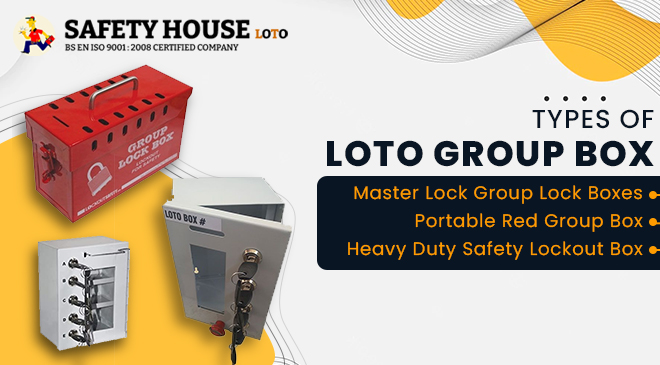
How Many Types of Group Lockout Box?
Loto Group Box physically locks the complete system such as the machine, equipment, and even process in the safe mode. Lockout and Tagout is the Control of Hazardous Energy which involves with isolation of energy from the system.
What is the Benefit of Group Lockout Boxes?
The Group Lockout Boxes are storage devices used to capture keys to make effective lockout of large equipment. Moreover, all the lockout is enabled with a single padlock to secure the equipment.
Lockout devices offer the best way to easily secure the machinery equipment. These have circuit breaker lockout along with the electrical plug lockout device.
The Use of Group Lockout Box keeps all the keys safely and is enabled with the safe key storage facility. All the lockout points on Loto Box are also easily accessible.
Types of Loto Group Lockout Box
These are storage devices that can be used to capture keys for effective lockout of equipment. These lockout tagout products are certified raw materials used, so they would enhance the functionality. The lockout point on equipment is secured with a single padlock.
Master Lock Group Lock Boxes S600 Series
Normally, the Master Lock Group Lock Boxes S600 Series have 430-grade stainless steel. These can easily withstand the harshest environments as they have a tough structure with superior design features.
It makes lock boxes stronger and easier to use. The Master Lock Group Lock Boxes S600 Series has a stackable design suitable for storage. It also helps with making quick transporting of multiple boxes.
Portable Red Group Lockout Box
The Master Lock Portable Red Group Lockout Boxes are suitable for capturing the keys from lockout points. It is easier to secure a lockout point even with a single piece of equipment.
Group Boxes and Loto Kits Capture keys from lockout points and easily place them in the lockbox. The Lockout Boxes are suitable for the padlock or other fixed devices.
However, it offers flexibility for the lock. This easy-to-grip is perfect for wide areas like machinery, the safety of workers, and other equipment. Read More: Advantages & Disadvantages of Lockout Tagout
Lockout Safety Heavy Duty Lockout Box
The Lockout Safety Heavy Duty Safety Lockout Boxes provide durability as well as flexibility, ensuring better access for all parties.
Furthermore, safety Lockout Boxes are also perfect for group lockout situations. All the keys have identification tags with multiple boxes under control.
Lockout Safety Portable Red Group Box
The Group Lockout Box model ensures the machine or keys in the machine are fully secure. Moreover, it accommodates up to 7 safety locks with easy to carry around. Group Lockout Box offers the best way to lock all the parts in the machine.
You May Also Like: What is an Electrical Panel Lockout Box and Its Uses?
You May Also Like: What is the Purpose of Lockout Tagout: Advantages & Disadvantages
